















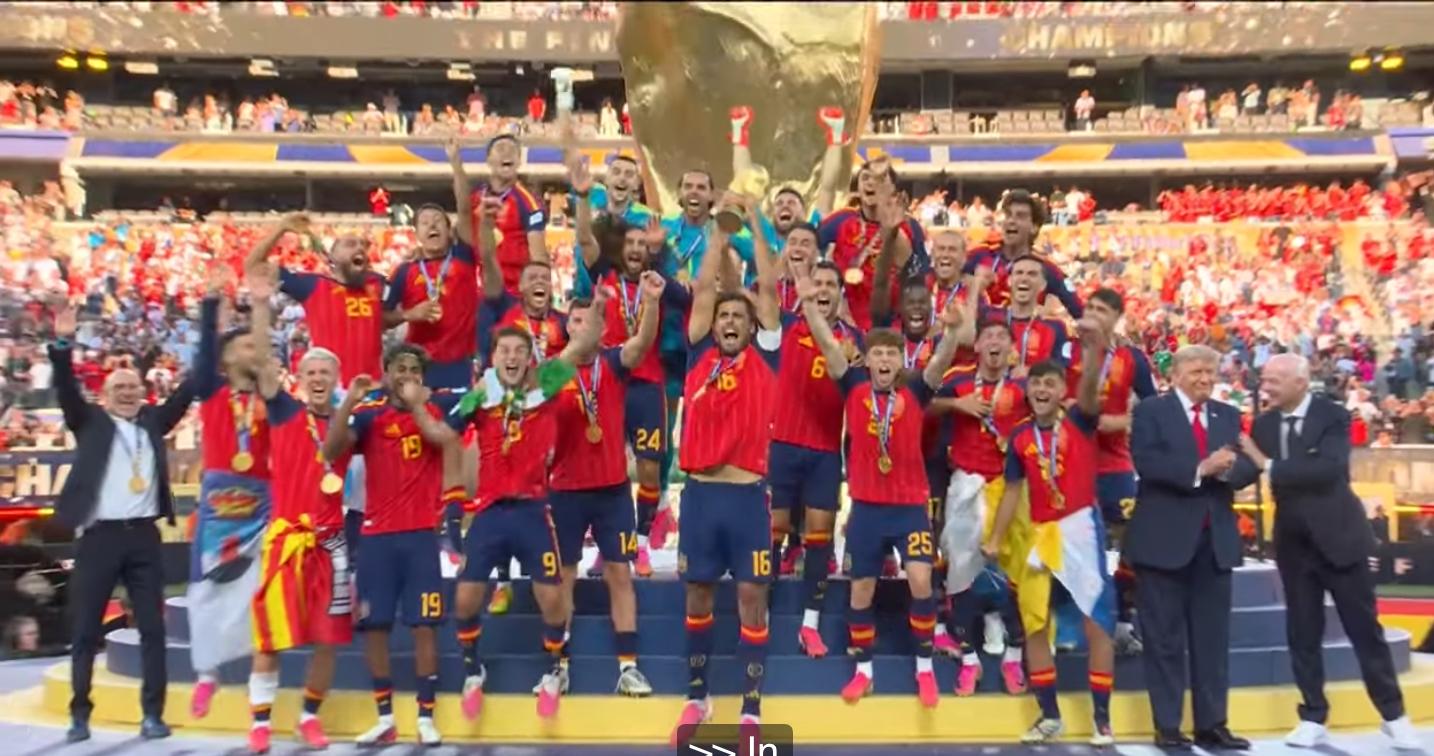
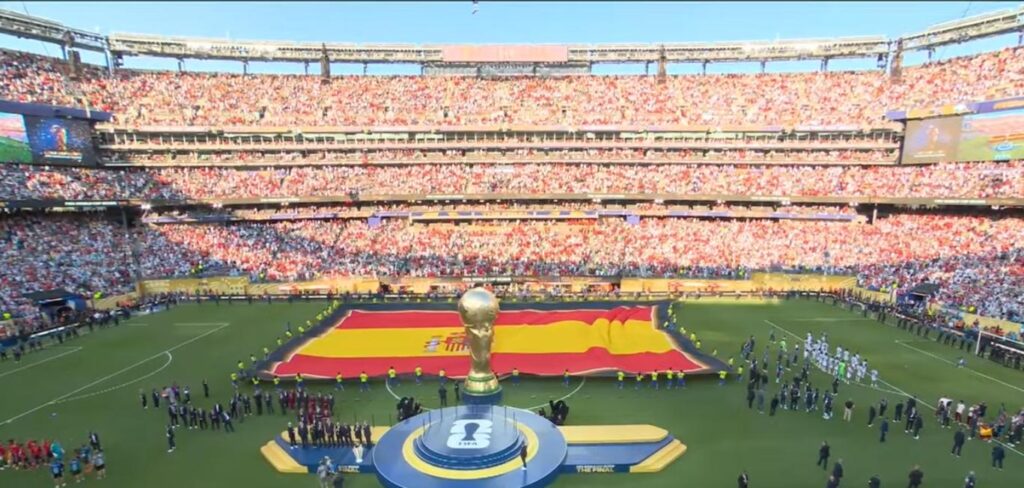
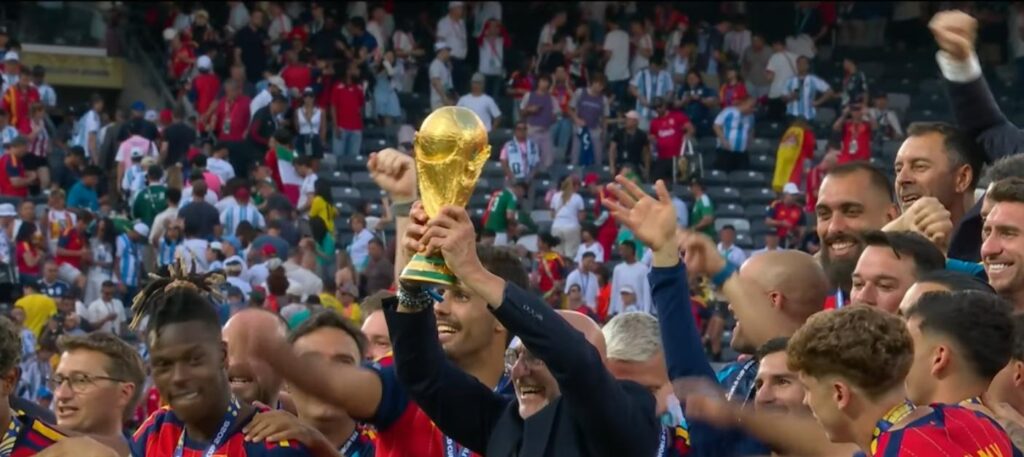
The FIFA World Cup 2026 has come to a memorable conclusion, with Spain lifting football’s most prestigious trophy after defeating Argentina in a captivating final that will be remembered for its quality, emotion and historical significance. The match attracted the attention of billions of viewers around the world while tens of thousands of spectators created an unforgettable atmosphere inside the stadium. The closing ceremony reflected the global appeal of football as world leaders, FIFA officials and football legends gathered to witness the crowning of a new champion. Among those in attendance were United States President Donald Trump, Canadian Prime Minister Mark Carney, Mexico’s head of state and FIFA President Gianni Infantino, who joined in presenting the championship trophy to Spain’s captain after the final whistle. Although political discussions and international tensions had surrounded the tournament in the weeks leading up to the final, once the match began the focus belonged entirely to football, where Spain proved to be the finest team of the competition.
Spain’s victory represents another golden chapter in one of football’s richest modern success stories. The Spanish national team arrived at the tournament carrying enormous expectations after years of rebuilding around a talented generation of technically gifted players. Throughout the competition they demonstrated remarkable consistency, tactical intelligence and attacking creativity. Their ability to dominate possession while remaining dangerous in transition reminded many supporters of the style that once made Spain the benchmark of international football.
The final itself was worthy of the occasion. Argentina, inspired by years of international success and carrying the pride of South American football, entered the match determined to add another World Cup to its glorious history. Spain, however, showed composure from the opening minutes, refusing to be intimidated by the occasion or by the passionate Argentine support inside the stadium. Every challenge, every pass and every attack reflected the intensity expected from football’s biggest match.
Spain’s midfield once again controlled the rhythm of the game. Their quick passing combinations stretched the Argentine defence, creating spaces that eventually led to decisive opportunities. Argentina responded with determination, relying on its experienced leaders and dangerous attacking movement to remain competitive throughout the contest. The tactical battle between both coaching staffs added another fascinating dimension to an already thrilling final.
As the match progressed, Spain demonstrated why many analysts had considered them favourites after their performances in the knockout rounds. Their defensive organization prevented Argentina from creating sustained pressure, while their attacking players capitalized on moments of brilliance when opportunities appeared. The winning goal sparked celebrations among Spanish supporters both inside the stadium and across cities throughout Spain, where millions watched history unfold.
For Spain, this triumph carries enormous historical significance. The country first participated in the FIFA World Cup in 1934 but had to wait decades before becoming a dominant force in world football. Generations of outstanding footballers wore the famous red jersey, yet ultimate success remained elusive until the remarkable golden generation emerged during the late 2000s.
Spain’s football revolution transformed international football. Their triumph at UEFA Euro 2008 announced the arrival of a new powerhouse. Two years later they won their first FIFA World Cup in South Africa, defeating the Netherlands in a dramatic final through Andrés Iniesta’s unforgettable extra-time goal. That victory completed one of the greatest footballing eras ever witnessed. Spain followed it by successfully defending their European Championship in 2012, becoming the first nation to win three consecutive major international tournaments.
Following that golden era, Spain experienced disappointment in several major tournaments. Early exits raised questions about whether the country’s dominance had come to an end. Yet the nation’s football structure continued producing technically gifted players through clubs renowned for youth development. Patience, investment and belief eventually delivered another generation capable of returning Spain to the summit of world football.
Winning the FIFA World Cup 2026 therefore represents much more than another championship. It symbolizes renewal, resilience and the enduring strength of Spanish football philosophy. Rather than relying on individual brilliance alone, Spain once again proved that teamwork, tactical discipline and technical excellence remain the foundations of lasting success.
Argentina entered the final with equally impressive credentials. The nation’s football history stands among the greatest in the world. From the brilliance of Diego Maradona to the extraordinary career of Lionel Messi, Argentina has consistently produced players capable of inspiring generations. The Albiceleste have built a global reputation based on passion, resilience and attacking flair.
Argentina previously celebrated World Cup triumphs in 1978, 1986 and 2022. Each championship reflected a different generation but carried the same emotional connection between the national team and its supporters. The journey to the 2026 final once again highlighted Argentina’s fighting spirit. They overcame difficult opponents, displayed tactical flexibility and demonstrated why they remain one of international football’s elite nations.
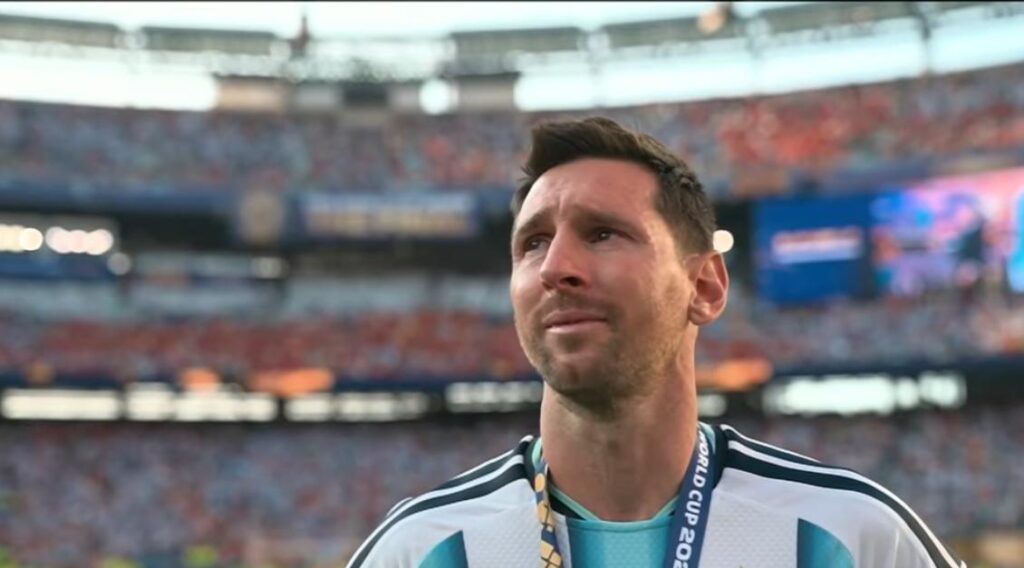
One of the most emotional moments following the final involved Lionel Messi. Although no longer the central figure on the field after an extraordinary international career, Messi remained an inspirational presence for Argentina throughout the tournament. Cameras captured the legendary captain applauding Spain’s players before comforting several devastated Argentine footballers.
Messi’s reaction reflected the sportsmanship that has defined his career. Speaking after the final, he expressed pride in Argentina’s effort while congratulating Spain for its outstanding tournament. He emphasized that reaching another World Cup final remained a remarkable achievement and encouraged the younger generation to continue pursuing future success. His words resonated deeply with supporters who have admired not only his extraordinary talent but also his humility during victory and defeat.
Many football observers described Messi’s presence throughout the tournament as symbolic. Even without carrying the team in the same manner as during earlier years, his experience, leadership and calmness continued to influence the Argentine dressing room. Younger players repeatedly acknowledged that simply sharing the field and training ground with one of football’s greatest icons strengthened their confidence.
The battle for third place also produced memorable football. Both nations competing for the bronze medal approached the contest with determination despite missing the opportunity to reach the final. Finishing third at a FIFA World Cup remains a prestigious achievement that reflects consistency across an entire tournament. The winning team left the competition with pride, demonstrating character by recovering from semifinal disappointment to conclude its campaign on a positive note.
The third-place playoff once again highlighted the depth of talent present at the 2026 World Cup. Emerging stars announced themselves on the global stage while experienced veterans delivered performances that reminded supporters why they remain important figures within international football. The match reinforced the reality that every position at the World Cup carries significance for players representing their countries.
The tournament itself showcased football’s growing global reach. Hosted jointly by Canada, the United States and Mexico, the expanded competition introduced millions of new supporters to the excitement of the world’s biggest sporting event. Stadiums across North America welcomed fans representing virtually every football culture, creating vibrant celebrations that extended far beyond the matches themselves.
The atmosphere surrounding the final reflected this international spirit. Supporters from countless nations celebrated together despite supporting different teams. Football once again demonstrated its unique ability to unite people from diverse backgrounds through a shared passion for the beautiful game.
Spain’s road to the title was built upon consistency rather than luck. They balanced attacking ambition with defensive discipline, adapting tactically to different opponents while maintaining their footballing identity. Their coaching staff deserves enormous credit for preparing the squad mentally and physically for every challenge throughout the month-long tournament.
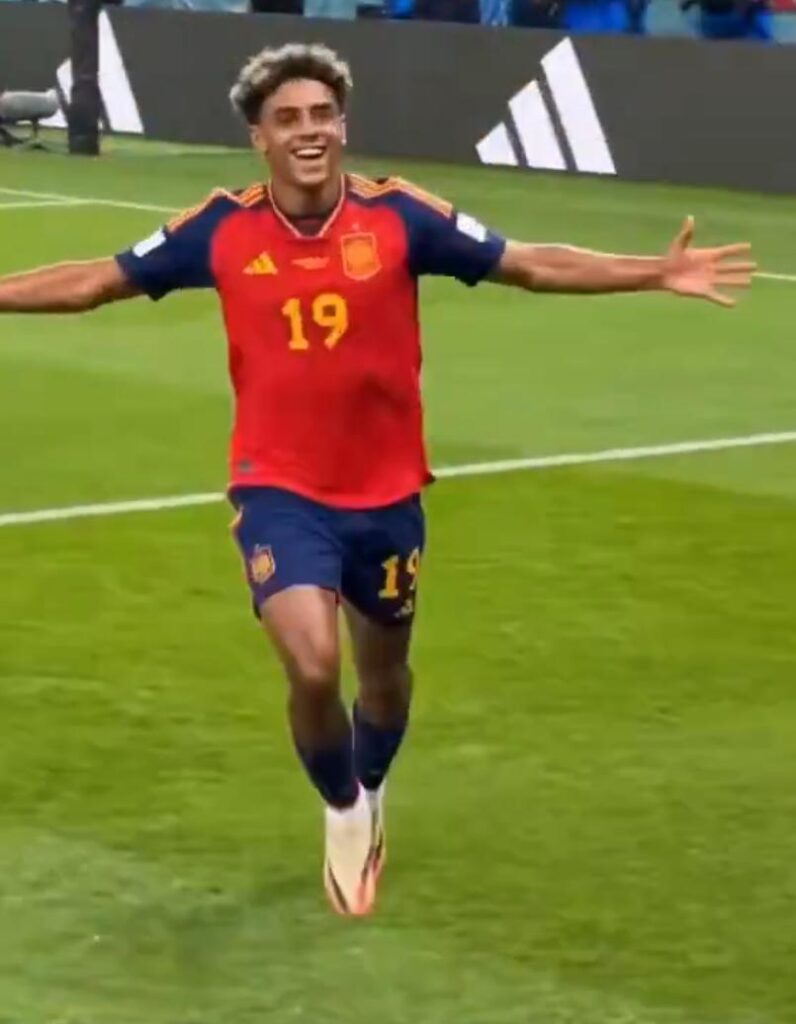
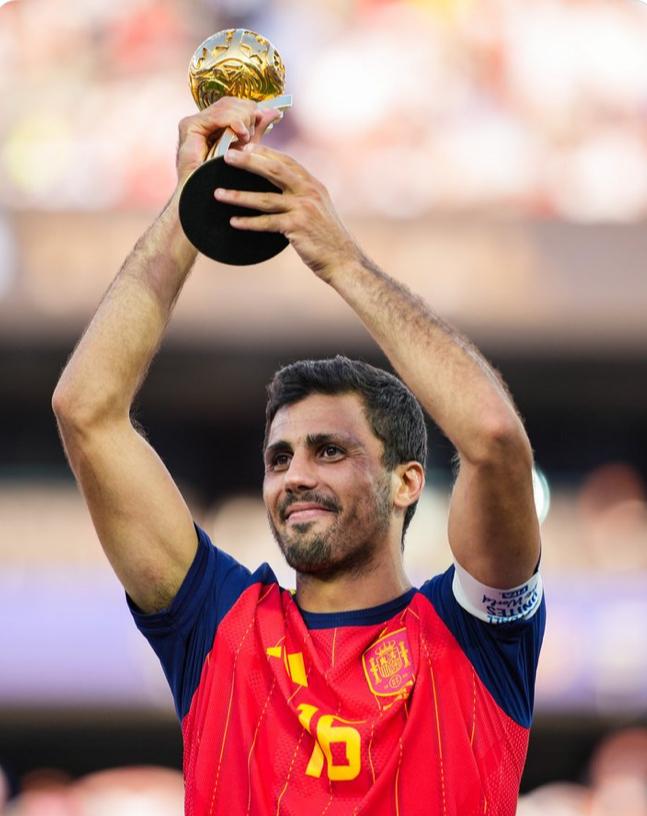
Several Spanish players elevated their reputations during the competition. Young stars displayed maturity beyond their years while experienced leaders provided stability during high-pressure moments. The combination created a balanced squad capable of overcoming every obstacle placed before them.
Goalkeeping also proved decisive. Spain’s goalkeeper delivered crucial saves throughout both the knockout rounds and the final itself, preserving momentum whenever Argentina threatened to equalize. Championship-winning teams often require outstanding performances from every position, and Spain received exactly that.
The victory sparked celebrations across Spain as supporters gathered in city squares waving national flags, singing football songs and welcoming a new generation of champions. For many fans, the triumph represented a continuation of Spain’s footballing tradition while offering hope that another successful era could be beginning.
Argentina, despite the disappointment, leaves the tournament with immense respect. Reaching another World Cup final confirms the country’s remarkable consistency at the highest level of international football. The experience gained by younger players ensures Argentina will remain among the strongest contenders in future competitions.
For Lionel Messi, the tournament may represent the closing chapter of an unforgettable World Cup journey that inspired football fans across generations. From his early appearances as a teenage prodigy to lifting the World Cup and later mentoring younger teammates, his international career has become one of football’s greatest stories. Although defeat in the final brought visible disappointment, the respect shown by teammates, opponents and supporters illustrated his lasting influence on the game.
The FIFA World Cup has always produced moments that extend beyond statistics and trophies. It creates heroes, unforgettable memories and stories that become part of football history. Spain’s victory in 2026 now joins that distinguished tradition. Their disciplined performances, attacking quality and collective spirit earned them the right to stand atop world football once again.
As the celebrations continue and the champions return home with the famous trophy, attention will gradually shift toward the next generation of international competition. Yet the images from this final the packed stadium, the emotional players, the presentation of the World Cup trophy, and Spain celebrating another historic achievement will remain among the defining sporting memories of 2026. Spain once again proved that beautiful football, intelligent teamwork and unwavering belief remain the ultimate ingredients for becoming champions of the world.



Post Disclaimer
The views and content presented in this article, news report, or video are solely those of the respective author or creator and do not necessarily reflect the official policy or position of BW Times Digital Online E-Paper.










Leave a comment