








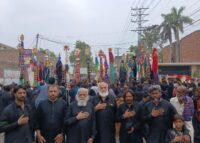





The 10th of Muharram, known throughout the Muslim world as Ashura, remains one of the most heartbreaking and significant days in Islamic history. It marks the martyrdom of Imam Hussain ibn Ali, the beloved grandson of Prophet Muhammad (peace be upon him), at the plains of Karbala in present day Iraq in the year 680 CE. More than thirteen centuries have passed since that tragic day, yet the pain, sacrifice, courage, and lessons of Karbala continue to resonate in the hearts of millions of people around the world.
After the death of Muawiya ibn Abi Sufyan, his son Yazid assumed power and demanded allegiance from leading figures of the Muslim community. Imam Hussain, known for his integrity, piety, and commitment to justice, refused to pledge allegiance. He believed that leadership of the Muslim Ummah should uphold the values and teachings of Islam established by the Prophet Muhammad (peace be upon him). For Imam Hussain, accepting a ruler whom he considered unjust would have compromised the principles of truth and righteousness.
The people of Kufa sent numerous letters inviting Imam Hussain to come and lead them. Trusting their promises of support, he departed from Makkah along with members of his family and a small group of loyal companions. However, circumstances changed dramatically. The governor appointed by Yazid tightened control over Kufa, intimidated the population, and prevented many supporters from assisting Imam Hussain.
As Imam Hussain and his caravan approached Iraq, they were intercepted by forces loyal to Yazid. Eventually, they were forced to stop at the barren plain of Karbala. There, a small group consisting of family members, friends, and companions found themselves surrounded by a vastly larger army.
The days leading up to Ashura were filled with hardship and suffering. Historical accounts describe how access to the Euphrates River was restricted, depriving Imam Hussain’s camp of water. Men, women, and children endured intense thirst under the scorching desert sun. The cries of thirsty children echoed through the camp as supplies dwindled. Despite these difficulties, Imam Hussain remained steadfast, encouraging patience, faith, and trust in Allah.
During these days, efforts were made to avoid bloodshed. Imam Hussain addressed the opposing forces and reminded them of his relationship with the Prophet Muhammad (peace be upon him). He called upon them to reflect on justice, morality, and their responsibilities before Allah. Yet political considerations and military orders prevailed, and the possibility of a peaceful resolution faded.
On the eve of Ashura, Imam Hussain gathered his companions and informed them of the danger they faced. He told them that they were free to leave under the cover of darkness, as the enemy sought only him. Yet the companions demonstrated extraordinary loyalty. One after another, they declared that they would never abandon the grandson of the Prophet. Their devotion reflected the profound respect and love they held for Imam Hussain and the principles he represented.
As the morning of the 10th of Muharram arrived, the tragedy of Karbala entered its final chapter. The small band of companions stood against an overwhelming force. Throughout the day, many of Imam Hussain’s loyal supporters were martyred. Each loss brought immense grief, yet their courage became a lasting symbol of sacrifice in the path of truth.
Among those martyred were close relatives of Imam Hussain. Members of the Prophet’s family entered the battlefield one after another. Young men who carried the noble lineage of the Prophet demonstrated remarkable bravery despite knowing the odds against them. Their sacrifices deepened the sorrow of the day and highlighted the devastating human cost of the conflict.
One of the most emotional moments remembered in Islamic tradition is the martyrdom of Ali Akbar, the son of Imam Hussain. Historical narratives describe him as closely resembling the Prophet Muhammad in character and appearance. His loss caused profound grief within the camp. Family members watched as beloved sons, brothers, nephews, and cousins gave their lives.
Another deeply moving account concerns the infant son of Imam Hussain, commonly known as Ali Asghar. According to traditional narrations, the child suffered from severe thirst amid the blockade of water. The suffering of innocent children became one of the most painful aspects of the Karbala tragedy and remains a powerful symbol of the human suffering endured by the Prophet’s family.
As the day progressed, the number of surviving companions steadily diminished. The camp became increasingly silent as its defenders fell one after another. Eventually, Imam Hussain found himself largely alone on the battlefield. Exhausted from grief, thirst, and continuous combat, he nevertheless remained determined and steadfast.
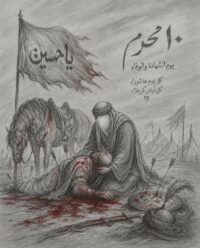
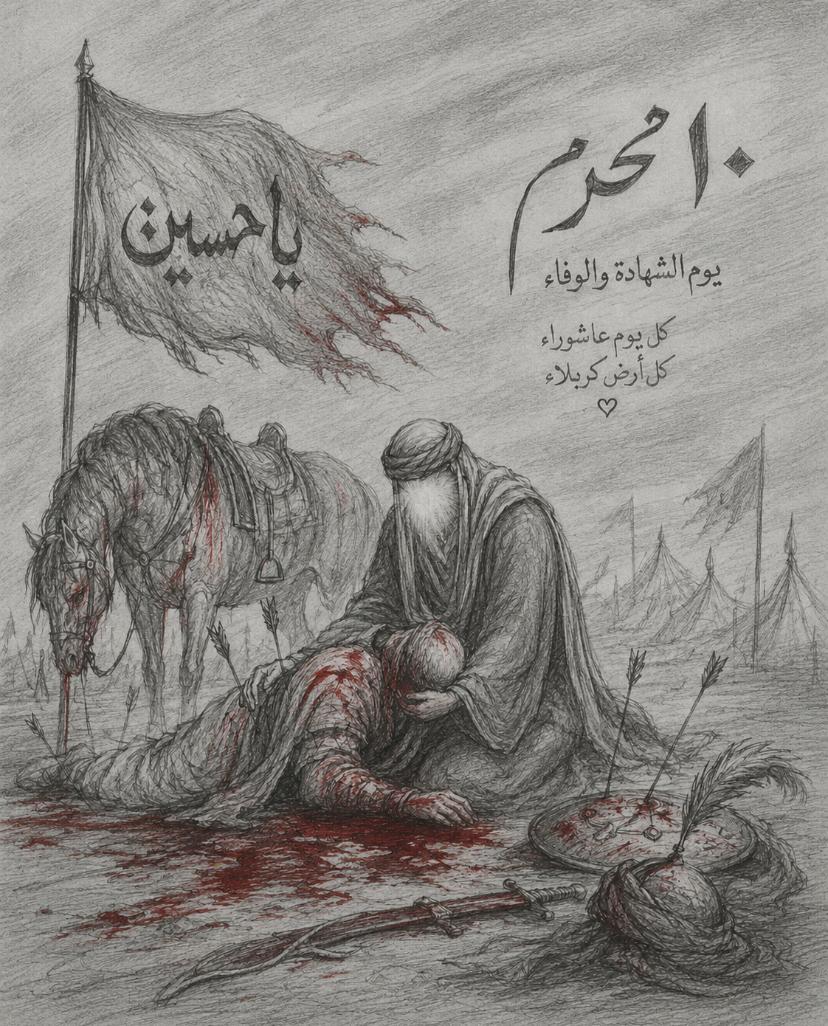
The final moments of Imam Hussain are remembered as the climax of one of history’s greatest sacrifices. Despite being surrounded and facing overwhelming odds, he refused to surrender his principles. His commitment to justice, faith, and moral integrity remained unshaken. He ultimately attained martyrdom on the plains of Karbala, becoming a symbol of resistance against oppression and injustice.
The tragedy did not end with the martyrdom of Imam Hussain. The surviving members of his family, including women and children, faced immense suffering. They witnessed the loss of fathers, brothers, sons, and relatives. Historical accounts describe how the tents were attacked and the survivors were taken into captivity. These events added another layer of pain to an already devastating tragedy.
Among the survivors was Imam Zain ul Abideen, the son of Imam Hussain, who was unable to participate in the battle due to illness. His survival ensured the continuation of the Prophet’s family lineage. Also among the survivors was Hazrat Zainab bint Ali, the courageous sister of Imam Hussain. Despite overwhelming grief, she displayed extraordinary strength and dignity. Through her speeches and testimony, she preserved the memory of Karbala and ensured that the sacrifices made there would never be forgotten.
The journey of the captives from Karbala to Kufa and later to Damascus became a continuation of the tragedy. They endured hardship, humiliation, and sorrow while carrying the memory of those who had been martyred. Yet their resilience transformed Karbala from a military defeat into a moral and spiritual victory.
For Muslims across the world, Ashura is not merely a historical remembrance. It is a day that symbolizes the eternal struggle between truth and falsehood, justice and oppression, courage and fear. The sacrifice of Imam Hussain demonstrates that moral principles should never be abandoned, even in the face of overwhelming adversity.
The message of Karbala transcends sectarian and geographical boundaries. People from diverse backgrounds find inspiration in the unwavering stand taken by Imam Hussain. His life and martyrdom teach the values of courage, patience, dignity, sacrifice, and faith. His refusal to compromise on justice continues to inspire those who seek to uphold truth in difficult circumstances.
More than thirteen centuries later, millions gather every Muharram to remember the tragedy of Karbala. Tears are shed not only for the immense suffering endured by the family of the Prophet but also for the universal values that Imam Hussain defended. His martyrdom remains a beacon of hope and resistance against injustice.
The story of Karbala is ultimately a story of sacrifice for principles. Imam Hussain and his companions gave everything they had rather than surrender their convictions. Their courage transformed a desert battlefield into one of the most powerful symbols of faith and human dignity in history. On every Ashura, the world remembers the grandson of Prophet Muhammad, whose sacrifice continues to illuminate the path of justice, truth, and honor for generations to come.
Post Disclaimer
The views and content presented in this article, news report, or video are solely those of the respective author or creator and do not necessarily reflect the official policy or position of BW Times Digital Online E-Paper.









Leave a comment