















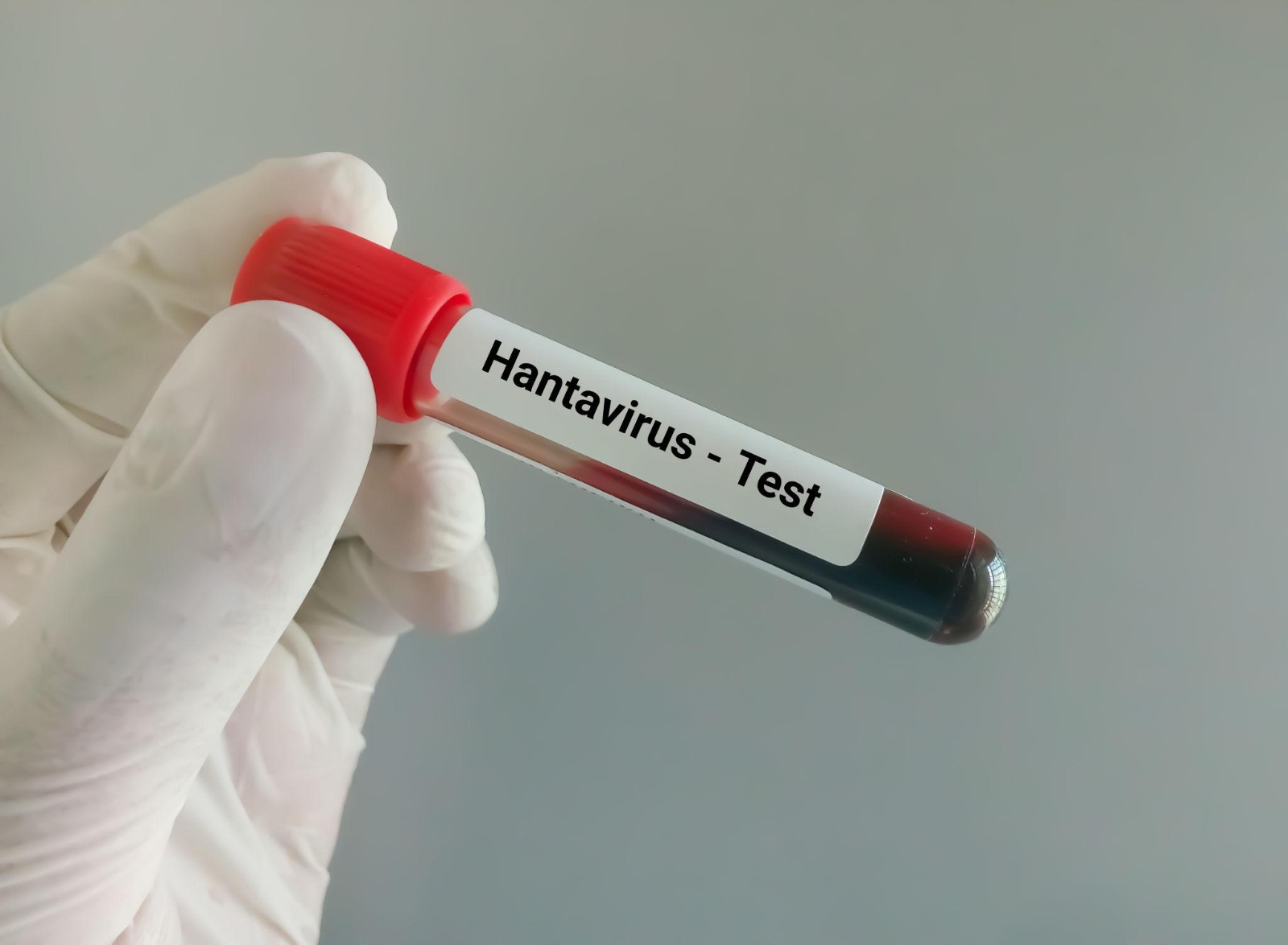
Health experts across Canada and internationally are warning that testing people for hantavirus who do not show symptoms may not provide reliable results, as public health agencies continue monitoring cases linked to the outbreak on the MV Hondius.
Canadian public health officials, including British Columbia’s provincial health officer Bonnie Henry, say discussions are ongoing about whether asymptomatic testing is useful in situations involving rare viruses such as hantavirus. Authorities emphasize that most testing protocols are designed to detect infection once symptoms appear.
Health specialists note that there are two main types of diagnostic tests: antibody tests, which detect the immune system’s response, and PCR tests, which identify genetic material from the virus. However, both have limitations during early stages of infection.
Experts explain that hantavirus has an incubation period that can last several weeks, meaning a person may initially test negative even if they are infected. As a result, a negative result in someone without symptoms does not necessarily rule out infection.
A researcher at the University of Saskatchewan’s Vaccine and Infectious Disease Organization, Bryce Warner, said the situation is unusual because doctors typically do not test for the virus unless symptoms are already present. He added that early testing could provide false reassurance.
Public health agencies in Canada are currently monitoring a small number of individuals who may have been exposed. Officials have stated that testing and treatment will be prioritized if symptoms develop.
The global situation surrounding hantavirus cases intensified after the evacuation of the MV Hondius cruise ship in Spain, where multiple passengers and crew members were later confirmed to have been infected. The World Health Organization has reported a small number of deaths and confirmed cases linked to the outbreak but has stated there is no current evidence of a larger spread.
Health authorities continue to emphasize that person-to-person transmission of the Andes strain of hantavirus requires prolonged close contact, and they do not consider it a pandemic-level threat.
Officials are urging caution, ongoing surveillance and symptom-based monitoring rather than widespread testing of asymptomatic individuals, as investigations into the outbreak continue across multiple countries.
Courtesy: ctvnews
Post Disclaimer
The views and content presented in this article, news report, or video are solely those of the respective author or creator and do not necessarily reflect the official policy or position of BW Times Digital Online E-Paper.










Leave a comment