
















The final of the Pakistan Super League unfolded in an atmosphere unlike any previous edition, shaped not only by the quality of cricket but also by the unusual absence of spectators throughout the tournament. Played in a controlled and secure environment, the league maintained strict protocols, resulting in empty stands that echoed only the voices of players and team staff rather than the energy of packed crowds. Adding to this subdued environment was a noticeable decline in public interest, largely influenced by the country’s unpredictable situation at the time, which shifted attention away from sporting events and affected overall engagement with the league.
Despite these challenges, the tournament reached a compelling conclusion as Peshawar Zalmi emerged victorious, reinforcing their reputation as one of the most consistent and competitive teams in the competition. Their journey to the title was marked by discipline, resilience, and the ability to adapt to conditions that were far from ideal for professional sport.
The final itself delivered an engaging contest. Zalmi entered the match with confidence built on strong performances throughout the group stage and playoffs. Winning the toss proved to be an important moment, as they chose to bat first and set the tone early. Their opening batsmen approached the innings with caution, carefully assessing the pitch and the opposition’s bowling attack.
As the innings progressed, Zalmi’s middle order stabilized the game after an early wicket. Through smart strike rotation and calculated aggression, they ensured the scoreboard kept moving. A crucial partnership in the middle overs helped them build momentum, setting the platform for a late surge. In the final overs, Zalmi’s batsmen shifted gears, playing aggressive strokes and finding boundaries at key moments, pushing the total to a competitive level.
The lack of crowd noise created a unique dynamic on the field. Players could clearly communicate, and every sound from bat striking ball or bowler hitting the crease echoed through the stadium. However, the absence of fan energy also meant that players had to rely entirely on their own motivation, a challenge that both teams handled with professionalism.
Chasing the target, the opposition started with intent but soon found themselves under pressure due to Zalmi’s disciplined bowling attack. Early breakthroughs shifted momentum firmly in Zalmi’s favor. Their bowlers maintained tight control, using variations in pace and length to restrict scoring opportunities.
Fielding played a decisive role as well. Sharp catches and agile ground fielding added to the pressure on the chasing side. A crucial run-out in the middle overs proved to be a turning point, halting any building momentum and increasing the required run rate significantly.
Although there was some resistance from the opposition’s middle order, Zalmi’s bowlers remained composed. Their execution in the death overs, particularly the accurate yorkers and slower deliveries, ensured that the target remained out of reach. The final moments of the match reflected Zalmi’s control and confidence as they secured a well-deserved victory.
This triumph was significant not just for the result, but for the context in which it was achieved. The entire league had been conducted without spectators, and the unpredictable situation in the country further reduced public enthusiasm. Unlike previous seasons where excitement built up across cities and fans actively participated in supporting their teams, this edition lacked that widespread buzz. Many people remained disengaged, focusing instead on broader national concerns, which inevitably impacted the league’s visibility and emotional connection with its audience.
Even so, the PSL continued to reach viewers through television and digital platforms, ensuring that cricket fans who remained interested could follow the action. While the absence of crowds and reduced public interest changed the overall atmosphere, the players continued to perform at a high level, demonstrating their commitment to the sport.
The role of the franchise management was also crucial in navigating these circumstances. Peshawar Zalmi, under the ownership of Javed Afridi, once again showed how effective planning and team balance can lead to success. By combining experienced players with emerging talent, the team maintained consistency throughout the tournament.
The coaching staff and support teams ensured that players remained focused despite the lack of external motivation from fans. Training sessions, match strategies, and mental preparation all contributed to Zalmi’s strong performance. In a tournament where maintaining morale was a challenge, their ability to stay motivated stood out.
Another notable aspect of this season was the emphasis on adaptability. Players had to adjust not only to different match conditions but also to the psychological impact of empty stadiums and reduced public engagement. Zalmi’s ability to handle these factors gave them an edge over their competitors.
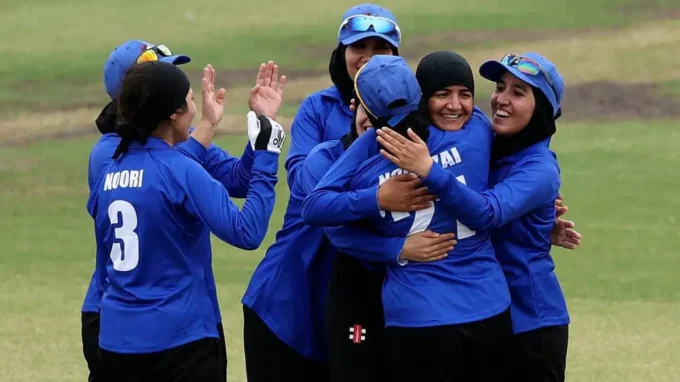
As the final concluded, the celebrations were understandably muted compared to previous PSL seasons. Without fans in attendance, the usual scenes of jubilant crowds were absent. However, the players’ sense of achievement remained evident, as they celebrated with teammates and support staff.
Looking ahead, this edition of the PSL will be remembered for its unique circumstances. It highlighted how external factors, including national conditions and public sentiment, can influence the success and atmosphere of major sporting events. At the same time, it demonstrated that professional leagues can continue to operate and deliver quality competition even under challenging situations.
In the end, Peshawar Zalmi’s victory stood as a testament to their consistency, preparation, and mental strength. While the league may not have captured the same level of public excitement due to the unpredictable situation in the country, the cricket itself remained competitive and engaging for those who followed it. The final served as a reminder that even in difficult times, the spirit of the game endures, carried forward by the dedication of players and teams who continue to perform at the highest level.
Post Disclaimer
The views and content presented in this article, news report, or video are solely those of the respective author or creator and do not necessarily reflect the official policy or position of BW Times Digital Online E-Paper.











Leave a comment