













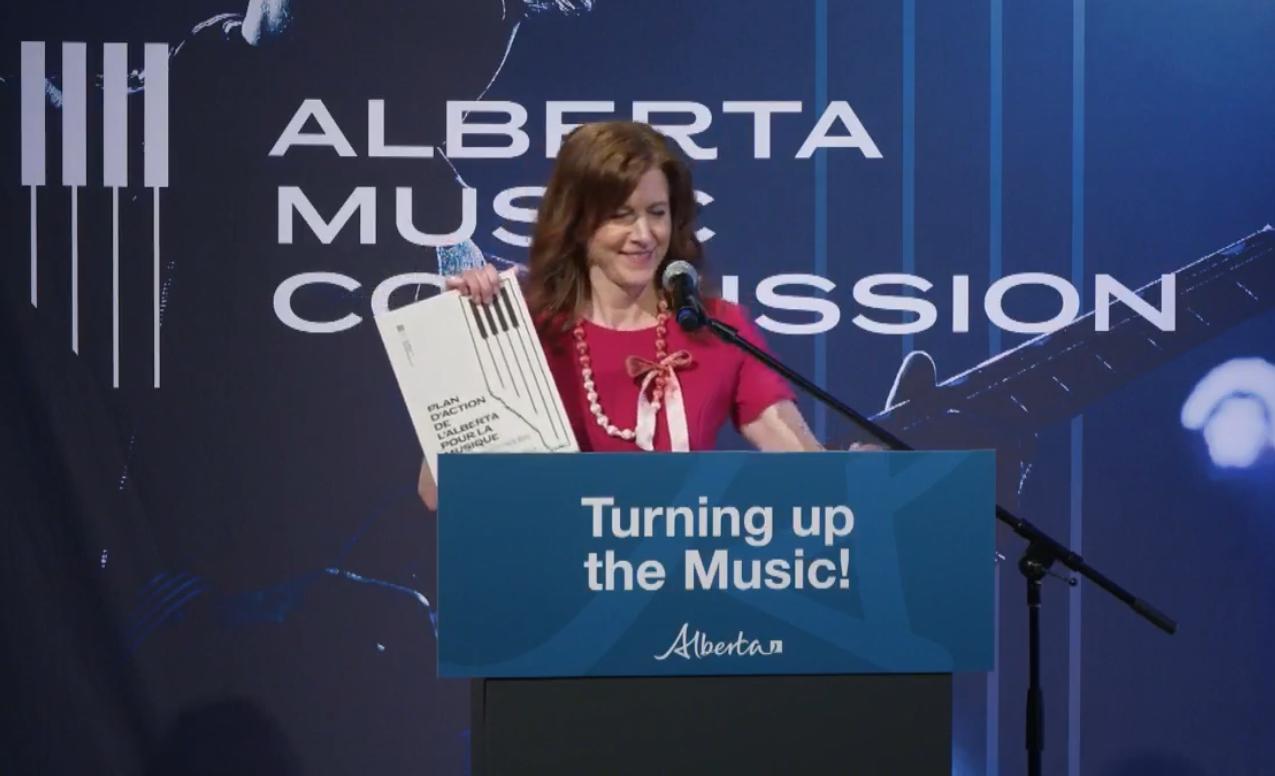
The Alberta Music Action Plan is a provincial strategy designed to strengthen and expand Alberta’s music industry by supporting artists, building infrastructure, increasing investment, and creating opportunities for growth both locally and internationally. Announced by Tanya Fir, the plan reflects a broader recognition that music is not only a cultural asset but also a growing economic sector capable of generating jobs, tourism, and global recognition for the province. At its core, the plan focuses on ensuring that Alberta musicians, producers, and industry professionals have the tools and resources needed to succeed in a highly competitive global market.
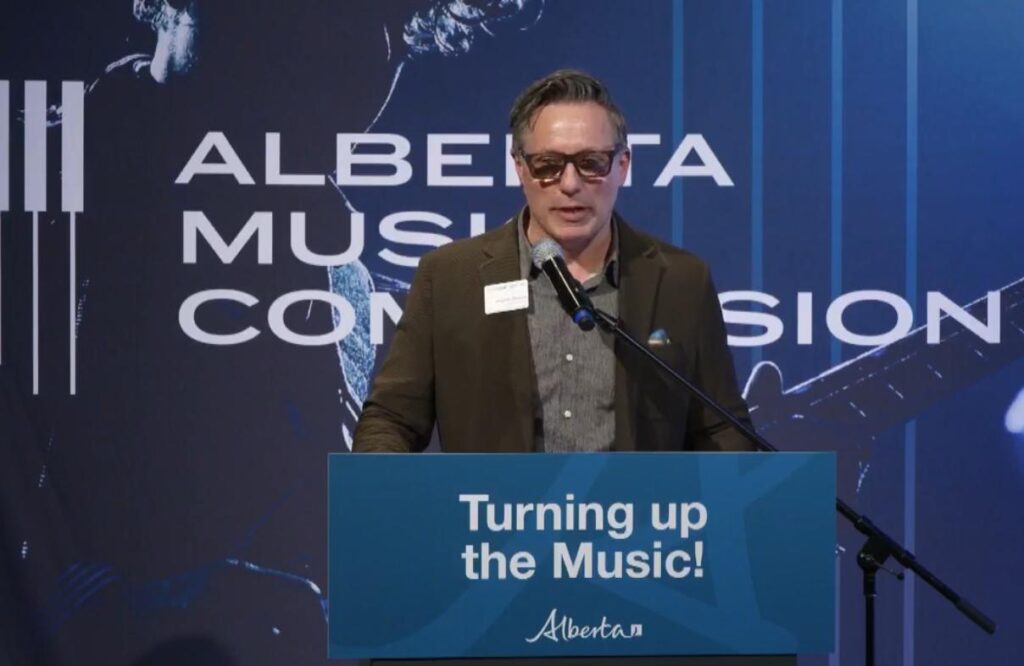
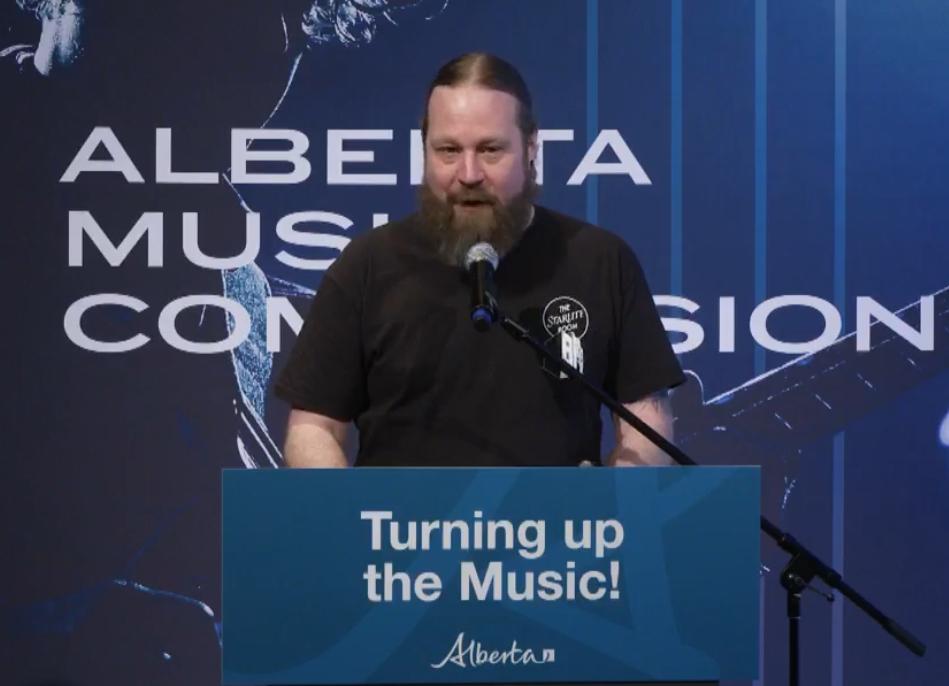
The program where the announcement took place was held in Calgary, bringing together a diverse group of stakeholders including government officials, local artists, music producers, venue operators, and representatives from cultural organizations. The atmosphere of the event was both celebratory and strategic, as it combined live performances with policy discussion. While the exact number of attendees was not formally disclosed in public summaries, such provincial announcements typically attract dozens of artists and industry participants along with policymakers and media representatives, creating a setting that reflects the breadth of the music community in Alberta.
During her speech, Tanya Fir emphasized that Alberta’s music industry has long been rich in talent but has lacked consistent structural support compared to larger provinces like Ontario and British Columbia. She highlighted that the new action plan aims to close that gap by introducing targeted funding programs, expanding grant opportunities, and improving access to recording, production, and touring resources. A key message in her remarks was that artists should not feel compelled to leave Alberta in order to build successful careers. Instead, the province wants to become a place where creative professionals can stay, grow, and thrive.
She also spoke about the economic dimension of the music sector, pointing out that investment in music generates ripple effects across tourism, hospitality, and local businesses. Festivals, concerts, and live events attract visitors and create employment opportunities beyond just performers. By strengthening the music ecosystem, the government aims to create a sustainable cycle where success in the arts contributes to overall economic diversification, something that is particularly important for Alberta as it continues to evolve beyond its traditional reliance on energy industries.
Another major pillar discussed in the speech was support for emerging artists. The plan includes initiatives focused on mentorship, career development, and exposure opportunities. This means helping young musicians gain access to professional training, industry networks, and platforms where they can showcase their work. Fir highlighted that early-stage support is crucial because many talented individuals struggle to transition from passion to profession without guidance and financial backing.
The event itself featured live performances from local musicians, giving attendees a direct experience of the talent the plan aims to support. These performances ranged across genres, reflecting Alberta’s diverse musical landscape, from indie and folk to hip-hop and contemporary pop. Artists also shared personal stories about their journeys, discussing both the opportunities and the challenges they have faced in building careers within the province. These stories added a human dimension to the policy announcement, reinforcing why such an action plan is necessary.
In addition to funding and artist development, the Alberta Music Action Plan places emphasis on infrastructure. This includes support for venues, recording studios, and production facilities that are essential for a healthy music ecosystem. Without these physical and organizational structures, even the most talented artists struggle to produce and distribute their work effectively. Fir noted that strengthening infrastructure will help create a more connected and professional environment for the industry.
Another important element is market expansion. The plan aims to promote Alberta artists beyond provincial and national borders by supporting touring opportunities and international showcases. This is intended to help local musicians reach new audiences and build global careers while still being rooted in Alberta. The government sees this as a way to elevate Alberta’s cultural profile on the world stage.
Collaboration was a recurring theme throughout the program. Fir acknowledged that the success of the plan depends on partnerships between government, industry organizations, and the artists themselves. She emphasized that this is not a top-down initiative but a collaborative effort shaped by consultations with stakeholders across the music community. This approach is meant to ensure that the policies reflect real needs rather than theoretical assumptions.
The presence of MLA colleagues at the event underscored the political support behind the initiative. Their participation signaled that the plan is part of a broader commitment within the provincial government to invest in arts and culture. It also demonstrated an understanding that cultural policy can play a role in community building, identity, and economic resilience.
While the announcement was largely positive and forward-looking, there is also an implicit acknowledgment that the plan will need to be implemented effectively to achieve its goals. Funding allocation, program accessibility, and ongoing evaluation will be critical factors in determining whether the initiative truly transforms the music landscape in Alberta.
Overall, the Alberta Music Action Plan represents a significant step in recognizing the value of the music industry within the province. The event in Calgary served not just as an announcement but as a showcase of what Alberta’s music community already offers and what it could become with the right support. Through a combination of funding, infrastructure development, artist support, and market expansion, the plan aims to create a sustainable and thriving music ecosystem that benefits artists, audiences, and the broader economy alike.



Post Disclaimer
The views and content presented in this article, news report, or video are solely those of the respective author or creator and do not necessarily reflect the official policy or position of BW Times Digital Online E-Paper.











Leave a comment