







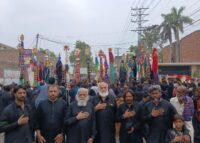

The political atmosphere in Pakistan has grown increasingly tense as regional conflicts and security concerns dominate headlines across the Middle East and South Asia. With tensions rising between Pakistan and Afghanistan along the border, and the widening confrontation involving the United States, Israel and Iran, public discussion inside Pakistan has shifted sharply toward external threats. At the same time, reports circulating internationally suggest that Saudi Arabia may also be under pressure to take a more aggressive stance toward Iran, a development that could further destabilize the region.
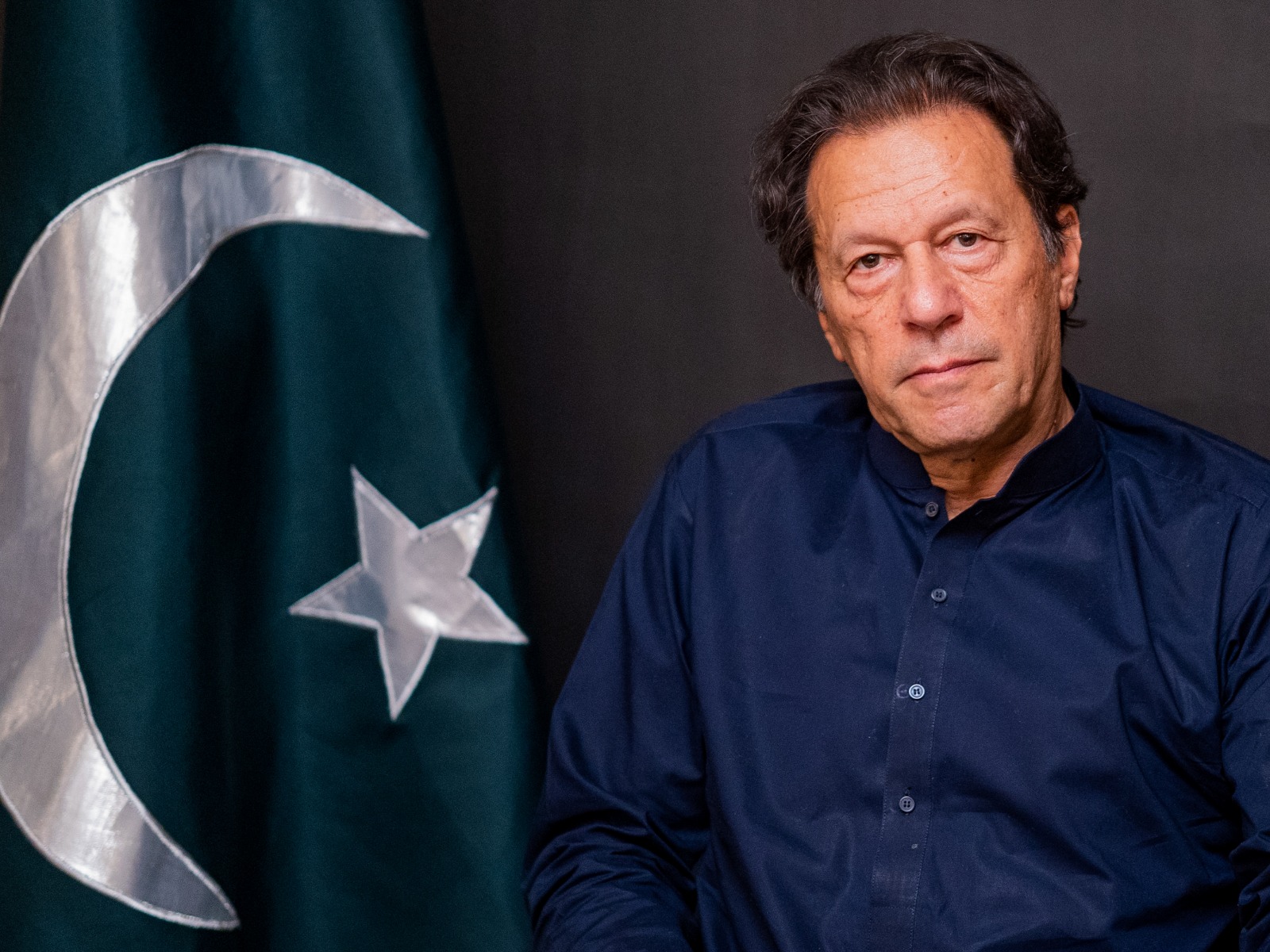
Amid these rapidly unfolding geopolitical events, attention within Pakistan has noticeably moved away from domestic political issues, including the health and legal situation of former prime minister Imran Khan. For months, Khan’s supporters and members of his political party had been raising concerns about his well-being while he remains in custody. Party leaders and family members had repeatedly demanded improved medical access and the possibility of transferring him to a hospital for a full examination.
However, the escalation of international tensions has dramatically changed the national conversation. Television debates, political commentary and social media discussions are now dominated by fears of regional conflict, security threats and diplomatic reactions from major powers. Analysts say this shift has created a political environment where internal issues are receiving far less attention than before.
Within this atmosphere, government officials have focused their messaging on national security, border stability and Pakistan’s diplomatic position in the broader conflict surrounding Iran and Israel. Statements from various ministries emphasize vigilance and preparedness, warning that instability in neighboring regions could have serious consequences for Pakistan’s economy and security. Military officials have also increased monitoring along sensitive border areas as fighting between Pakistan and Afghan forces has reportedly intensified in certain locations.
Opposition figures argue that the timing of these developments has indirectly overshadowed concerns about Imran Khan’s health. They claim that public pressure regarding his medical condition had been building in recent weeks, with supporters organizing demonstrations and legal appeals seeking access to independent doctors. Some members of Khan’s party say the sudden dominance of international crises in the national discussion has reduced scrutiny over his condition.
According to individuals close to the former prime minister, concerns about his health remain unresolved. They say he has experienced periods of weakness and requires regular medical monitoring. Requests for broader medical assessments have been submitted through legal channels, although officials maintain that appropriate healthcare facilities are available within the detention system and that necessary treatment is being provided.
Meanwhile, Pakistan’s political climate remains highly polarized. Supporters of the government insist that national security and regional diplomacy must take priority during a volatile period in global affairs. They argue that Pakistan cannot ignore escalating tensions involving Iran, Israel and the United States, particularly when neighboring Afghanistan is also involved in border confrontations.
Despite the shift in focus, Imran Khan continues to remain a central political figure whose situation carries significant influence over the country’s internal stability. Observers note that once regional tensions ease, domestic political debates—including questions surrounding his health, legal status and political future—are likely to return to the forefront of Pakistan’s national discourse.
Post Disclaimer
The views and content presented in this article, news report, or video are solely those of the respective author or creator and do not necessarily reflect the official policy or position of BW Times Digital Online E-Paper.


Leave a comment