













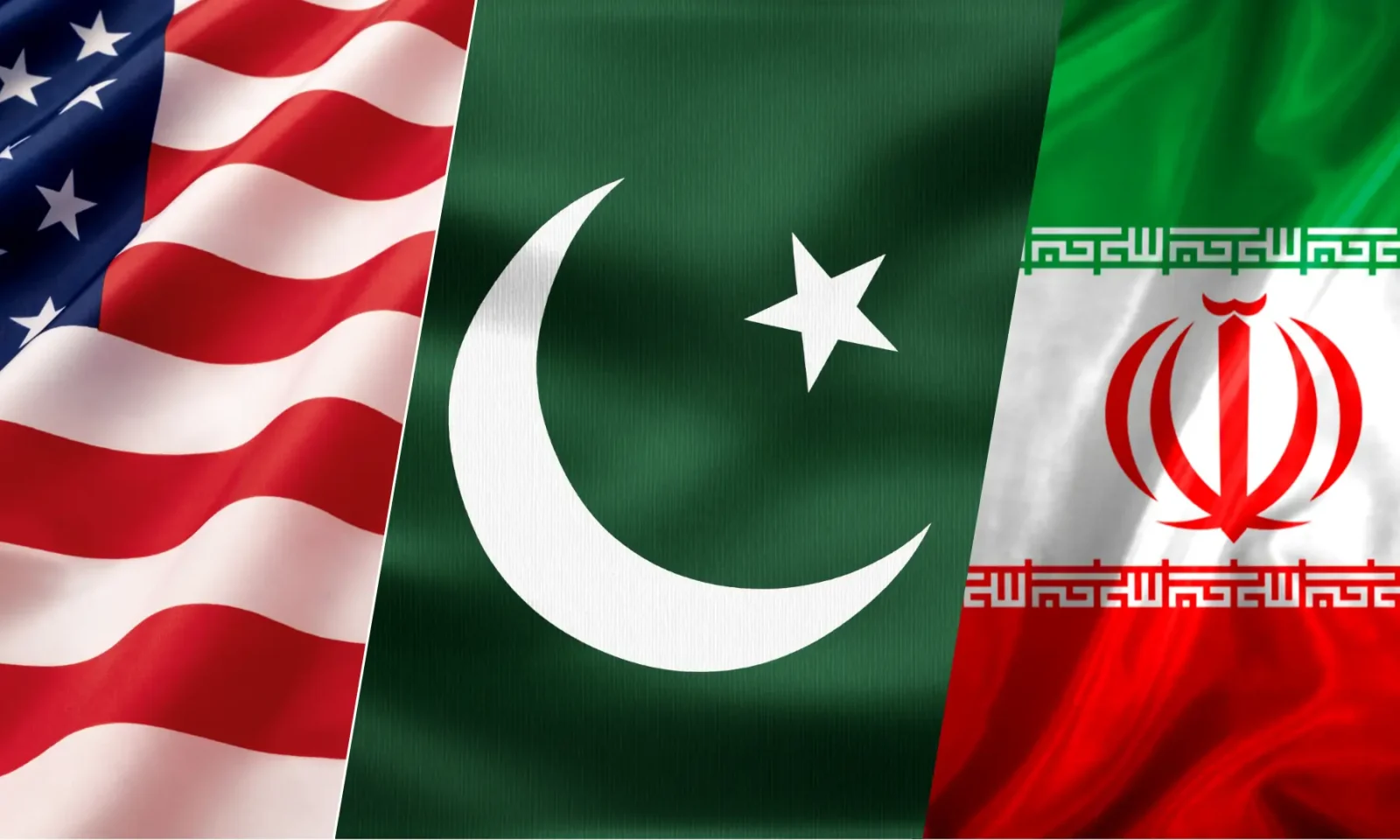
The potential selection of Pakistan as a venue for U.S. and Iran talks is not accidental. It is the result of strategic positioning, geographic relevance, diplomatic balance, and evolving global dynamics.
In a rapidly shifting global order, diplomacy often unfolds in unexpected places. The recent discussions around potential talks between the United States and Iran being hosted in Islamabad have raised an important question: why Pakistan? Why not India or other influential countries?
The answer lies not in a single factor, but in a complex combination of geography, diplomacy, strategic neutrality, and historical relationships.
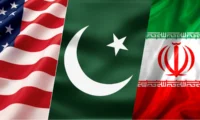
One of the most critical reasons Pakistan emerges as a viable neutral venue is its unique ability to maintain working relations with both Washington and Tehran simultaneously.
Pakistan has been a long standing security partner of the United States, designated a major non-NATO ally. At the same time, it shares a border with Iran and maintains diplomatic, cultural, and religious ties with Tehran.
This dual engagement is rare. Many countries are closely aligned with either the U.S. or Iran, but not both. Pakistan, despite periodic tensions, has managed to keep communication channels open with each side.
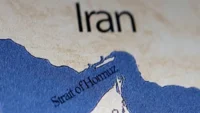
Geography plays a decisive role in diplomacy. Pakistan is not a spectator, it is a stakeholder. This gives its diplomatic efforts more credibility.
Another critical reason lies in perception, that Pakistan does not host U.S. military bases.
This perception helps build trust, especially in highly sensitive negotiations.
Pakistan’s role is not theoretical, it is active. Recent reports indicate that Islamabad has already been involved in facilitating communication between both sides. In fact, Iranian officials publicly acknowledged Pakistan’s efforts in reducing tensions. This ongoing involvement gives Pakistan a practical advantage: it is already inside the diplomatic process.
Islamabad as a Controlled Diplomatic Environment in high-risk negotiations, location is not just symbolic but it is operational. Islamabad provides a relatively stable and neutral setting for dialogue.
Why Not India? At first glance, India may appear to be a strong candidate given its growing global influence, economic strength, and expanding diplomatic reach. However, in this specific context, several factors may limit its suitability as a neutral venue.
India maintains close strategic relations with Israel and has, in recent years. High level engagements and visits reflecting deepening cooperation with Israel may influence regional perceptions. From Iran’s perspective, such positioning could raise concerns regarding neutrality and balance.
Although India also maintains diplomatic and economic relations with Iran, including cooperation in areas such as energy and infrastructure, the overall perception of strategic alignment may reduce its credibility as a fully neutral mediator in sensitive negotiations.
Pakistan’s greatest strength in this situation is what analysts call “functional neutrality.”
It is not perfectly neutral. No country truly is, but it is acceptable to both sides, Trusted enough to host dialogue and positioned to communicate with competing blocs. This type of neutrality is often more valuable than strict neutrality, because it is practical rather than theoretical.
A Shift in Global Diplomacy: Islamabad’s Emerging Role as a Peacemaker. The choice of Pakistan reflects a broader shift in global diplomacy. Traditional power centers are no longer the only venues for negotiation. Instead, countries that can Bridge divides, Maintain multiple relationship, Offer neutral ground are becoming increasingly important.
Islamabad’s emergence in this role signals a move toward multi polar diplomacy, where influence is distributed rather than centralized.
Post Disclaimer
The views and content presented in this article, news report, or video are solely those of the respective author or creator and do not necessarily reflect the official policy or position of BW Times Digital Online E-Paper.











Leave a comment