


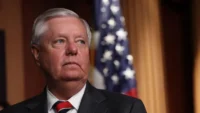













FIFA president Gianni Infantino has once again defended the soaring ticket prices for the 2026 FIFA World Cup, joking that he would personally deliver a hot dog and a Coke to anyone willing to pay $2 million for a ticket to the tournament final.
The controversial remark came during an appearance at the Milken Institute Global Conference in Beverly Hills as criticism continues to grow over the rising costs associated with attending this summer’s World Cup across the United States, Canada and Mexico.
The tournament, scheduled from June 11 to July 19, has faced mounting backlash from supporters and fan organizations over ticket prices, hotel costs and travel expenses that many believe are putting the event out of reach for ordinary football fans.
Infantino attempted to downplay concerns surrounding listings on FIFA’s official resale platform, where some tickets for the World Cup final in New Jersey recently appeared for nearly $2.3 million each.
“If some people put on the resale market some tickets for the final at $2 million, number one, it doesn’t mean that the tickets cost $2 million, and number two, it doesn’t mean somebody will buy these tickets,” Infantino said.
The FIFA chief then joked that if someone actually paid such a price, he would personally bring them refreshments.
“I will personally bring a hot dog and a Coke,” he said, adding that he wanted supporters to “have a great experience.”
The comments immediately generated reactions online, with many fans criticizing FIFA for appearing disconnected from the financial realities facing ordinary supporters hoping to attend the tournament.
Infantino has repeatedly defended FIFA’s pricing model in recent months, arguing that ticket costs reflect the market conditions in the United States and remain comparable to other major American sporting events.
According to FIFA, around 25 per cent of group-stage tickets remain available for under $300.
Infantino argued that such pricing is similar to tickets for major college sporting events in the United States.
“In the US, it is permitted to resell tickets as well, so if you were to sell tickets at a price which is too low, these tickets will be resold at a much higher price,” he explained.
He added that many tickets listed on resale platforms are already selling for more than double their original price, despite criticism that FIFA’s own official prices are too high.
The debate over ticket affordability has intensified throughout the buildup to the expanded 48-team tournament.
Supporters travelling from Europe and other regions are facing enormous costs not only for match tickets but also for accommodation, transportation and hospitality packages during the event.
Reports suggest an England supporter attending all three of the national team’s group-stage matches could spend around £6,500 during the tournament.
Meanwhile, FIFA has also come under pressure over its resale marketplace practices.
This week, FIFA updated its resale policy for matches hosted in Toronto after Ontario introduced legislation banning ticket resales above face value.
Under the province’s “Putting Fans First Act,” tickets for matches at Toronto Stadium can now only be resold at their original purchase price.
The change forced FIFA to temporarily remove Toronto match tickets from its official resale marketplace before introducing new regulations compliant with Ontario law.
While Toronto tickets are now restricted to face-value resale, tickets at the tournament’s other 15 venues can still be listed above face value where local regulations allow.
The issue of inflated pricing has become one of the biggest talking points ahead of the 2026 World Cup, especially as FIFA continues reporting strong ticket sales figures.
According to the organization, more than five million tickets had been sold as of April. However, several group-stage matches still reportedly have seats available despite the tournament being only weeks away.
Critics argue the pricing strategy risks alienating traditional football supporters and transforming the World Cup into an event accessible primarily to wealthy fans and corporate hospitality clients.
Fan groups across Europe and North America have accused FIFA of prioritizing profits over supporter accessibility, with some organizations describing the pricing system as exploitative.
Despite the criticism, FIFA insists demand remains extremely strong and says the tournament is expected to become the largest and most commercially successful World Cup in history.
Courtesy: BBC
Post Disclaimer
The views and content presented in this article, news report, or video are solely those of the respective author or creator and do not necessarily reflect the official policy or position of BW Times Digital Online E-Paper.











Leave a comment