









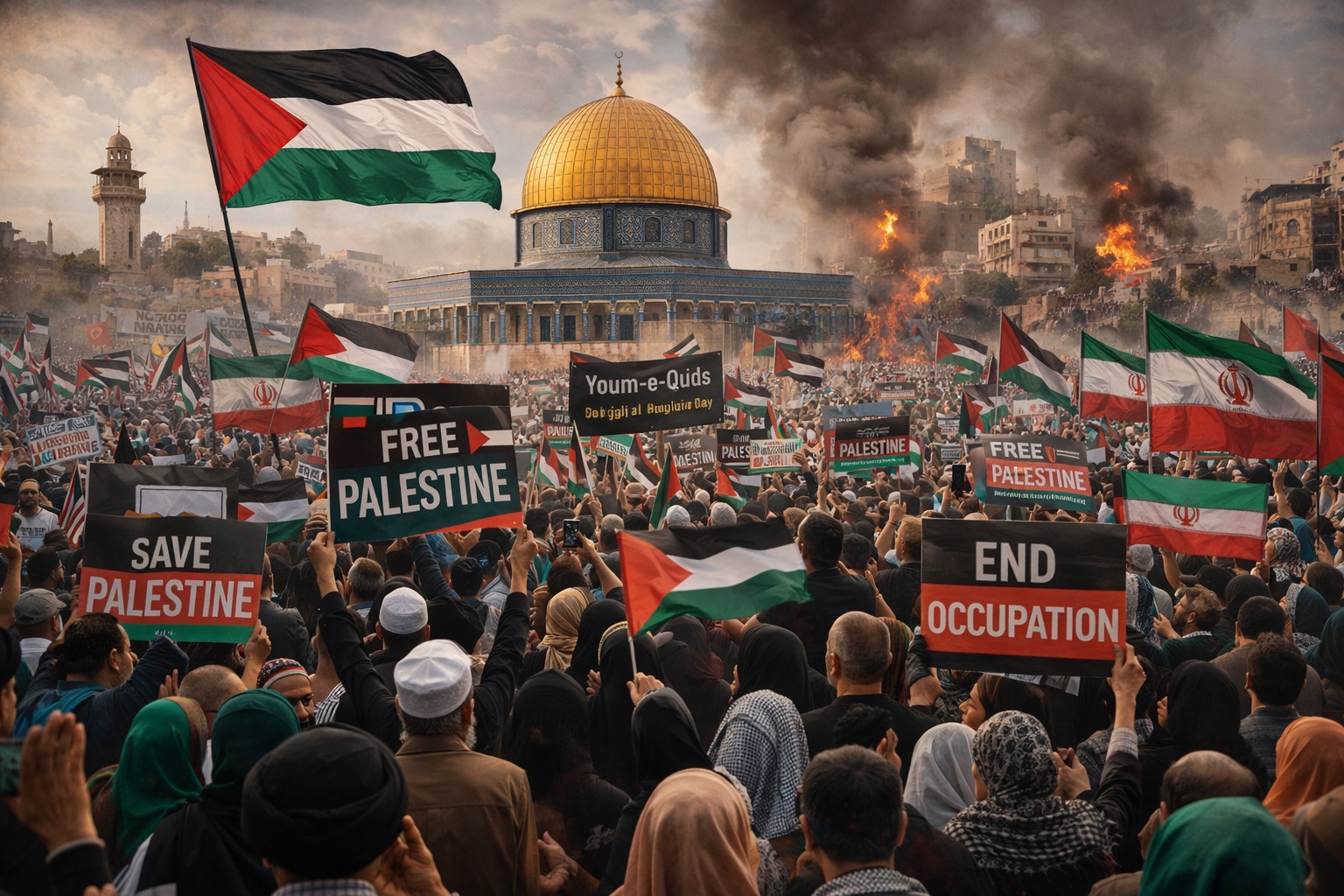
Every year, the last Friday of Ramadan returns with a political and emotional significance that reaches far beyond a single day of protest or remembrance. Youm-e-Quds, observed across many countries in the Muslim world and beyond, once again became a symbol of solidarity with the Palestinian people and a renewed demand for justice in Jerusalem. This year’s observance carried added weight because of continuing conflict in Gaza, deepening humanitarian concerns, and growing frustration over the absence of lasting political solutions.
From major cities to smaller communities, rallies, prayers, seminars, and public gatherings focused on one central message: the question of Palestine remains alive in global political consciousness. Religious leaders, civil society groups, students, and political activists gathered to emphasize that Jerusalem remains at the center of Muslim concern and that Palestinian rights cannot be removed from international debate.
Youm-e-Quds, first introduced as a day of political solidarity, has gradually become an annual expression of resistance against occupation and displacement. For many participants, the day is not limited to slogans but represents a continuing demand that Palestinians receive political dignity, territorial security, and recognition of their national rights. Speakers in many gatherings stressed that the humanitarian suffering in Gaza has intensified public emotion this year, especially after months of destruction, displacement, and civilian casualties.
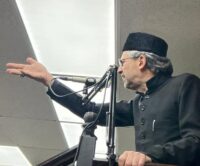
Special prayers were held in mosques where scholars linked the spiritual message of Ramadan with responsibility toward oppressed communities. Many religious sermons highlighted that support for Palestine is viewed not only as a political matter but also as a moral obligation. The connection between Al-Quds, faith, and identity remained central in speeches delivered after Friday prayers.
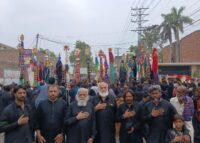
In several countries, demonstrations remained peaceful but strongly political in tone. Participants carried Palestinian flags, banners demanding an end to violence, and messages calling for international accountability. Youth participation appeared especially visible, showing that the Palestinian issue continues to resonate with a younger generation shaped by digital awareness and constant access to images from conflict zones.
Political analysts believe this year’s Youm-e-Quds reflects two parallel realities. First, public sympathy for Palestinians remains deeply rooted across Muslim societies. Second, frustration is increasing over what many view as weak international intervention in stopping humanitarian suffering. For many participants, the day became a platform to criticize global power structures that they believe respond unevenly to conflicts in different parts of the world.
Another important aspect of this year’s observance was the emphasis on unity. Speakers repeatedly called on Muslim countries to move beyond statements and strengthen practical diplomatic coordination. Economic pressure, humanitarian aid, and unified political messaging were described as areas where stronger cooperation is needed.
The issue of Jerusalem remained emotionally central. References to Al-Aqsa Mosque and the historical importance of the city were frequent in speeches and public statements. Many participants described Jerusalem not only as a religious symbol but also as a test of international justice.
As Youm-e-Quds concluded in different time zones, one message remained consistent: despite political shifts, regional wars, and changing alliances, the Palestinian issue continues to mobilize public emotion across borders. For millions, the day remains an annual reminder that unresolved conflicts do not disappear simply because global attention moves elsewhere.
Post Disclaimer
The views and content presented in this article, news report, or video are solely those of the respective author or creator and do not necessarily reflect the official policy or position of BW Times Digital Online E-Paper.







Leave a comment