












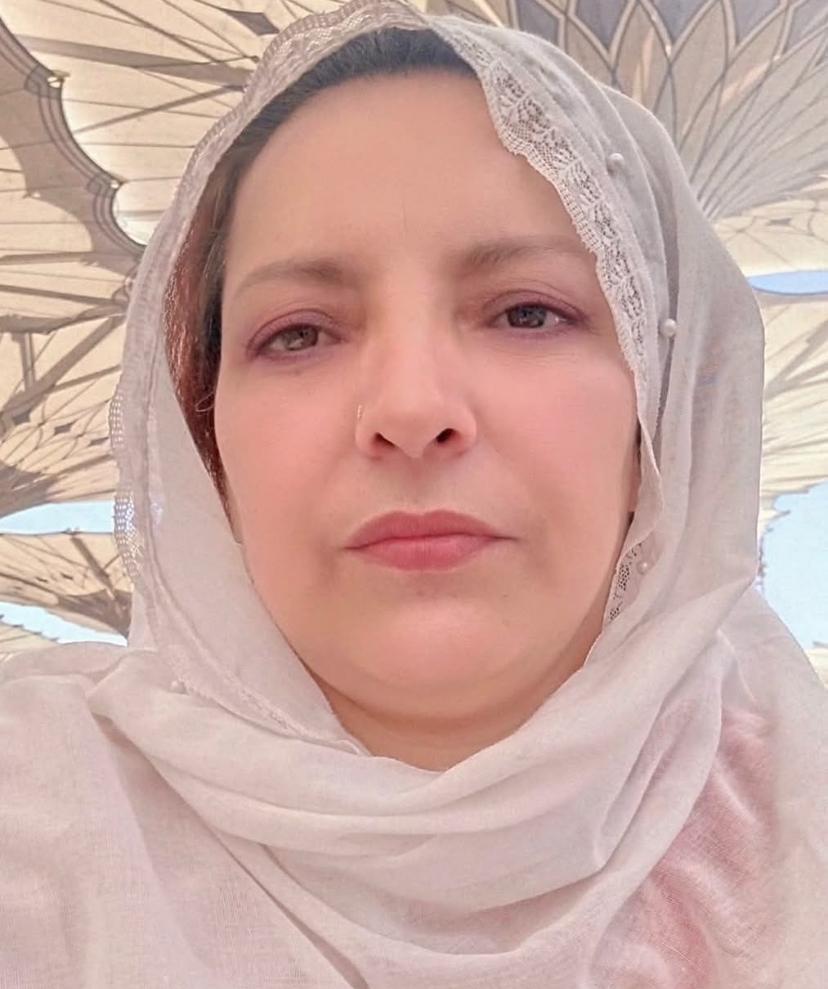
The media community in Peshawar has been shaken by the sudden passing of senior journalist Anila Shaheen, who recently suffered a brain hemorrhage, went into a coma, and despite undergoing two major surgeries, passed away due to medical complications. The news spread rapidly through social media, leaving colleagues, viewers, and members of the press deeply saddened. Her departure marks the loss of a strong and fearless voice within Pakistan’s journalistic landscape.
Anila Shaheen built her reputation on bold reporting and professional courage. Known for asking direct questions and refusing to be intimidated in press conferences, she earned respect in environments where silence is often easier than speaking up. Her reporting style reflected confidence and clarity. Sensitive topics were approached with firmness, yet with responsibility. Colleagues often described her presence in the newsroom as energetic and determined, someone who believed journalism was a duty rather than simply a job.
Courage in Pakistani journalism carries real meaning. Reporters frequently navigate political pressure, institutional influence, and social expectations. In such a setting, boldness is not about loudness — it is about standing by verified facts even when discomfort follows. Anila Shaheen became known for maintaining composure under pressure, representing a generation of journalists who understand that integrity is the profession’s strongest protection.
Her passing has also reopened a wider conversation about the realities of journalism in Pakistan. Reporting here demands resilience. The work involves long hours, unpredictable assignments, and constant scrutiny. Every published story carries responsibility, and sometimes risk. Journalists must balance speed with verification, competition with ethics, and ambition with caution.
A major structural challenge within Pakistan’s media sector lies in ownership patterns. Many newspapers and television channels are owned by business investors rather than career journalists. In numerous newsrooms, commercial strategy strongly shapes editorial direction. The focus often centers on ratings, advertising revenue, and expanding brand influence.
Within such environments, journalists sometimes encounter pressure to aggressively promote the newspaper’s name in order to generate income. Sensational angles may be encouraged because controversy attracts attention. In certain cases, partially verified narratives are pushed forward to keep the publication trending. The commercial drive can overshadow careful editorial judgment.
This situation creates professional tension. Journalism is meant to inform society accurately and responsibly. When profit targets dominate newsroom discussions, ethical standards can be tested. Reporters may find themselves balancing personal credibility with management expectations. Turning influence into revenue becomes part of daily newsroom calculations.
However, there are media organizations that function differently. Outlets led by individuals who rose through reporting and editing positions often demonstrate deeper respect for newsroom ethics. Leaders with firsthand experience understand deadlines, field risks, and the emotional weight of sensitive reporting. In such workplaces, journalists are valued for their professionalism rather than treated as tools of marketing.
Financial instability remains another reality for many in the profession. Long-term contracts, health coverage, and pension protections are limited in several organizations. Salary delays and short-term arrangements add uncertainty. This economic vulnerability contributes to stress within an already demanding field.
Female journalists face additional challenges. Working in a largely male-dominated environment, they frequently encounter bias and online harassment. Professional capability may be questioned unfairly. Yet women across Pakistan continue to report with determination, expanding the boundaries of representation in the media. Anila Shaheen stood as an example of that strength — bold in the field, confident in questioning authority, and firm in defending professional standards.
Comparisons with other countries reveal structural differences. In Canada and parts of Europe, journalists often benefit from stronger labor protections and active unions. Legal departments defend reporters when disputes arise. In the United States and the United Kingdom, although political polarization and competition are intense, established organizations typically maintain clearer employment frameworks and legal support systems.
Pakistan’s media landscape combines political sensitivity, economic competition, and commercially driven ownership in complex ways. Social media has intensified the race for immediate updates, increasing pressure on reporters to publish quickly. Maintaining verification standards in such a fast-paced environment requires constant discipline.
Despite these challenges, journalism in Pakistan remains vital. Reporters continue covering governance, corruption, public policy, and social issues with commitment. The profession survives because individuals believe in its purpose — to inform citizens and hold power accountable.
The passing of Anila Shaheen is not only a personal loss within the media community but also a reminder of the human strength behind the profession. Her bold voice, fearless questioning, and professional confidence reflected the courage required in Pakistani journalism. Her legacy lies in the example of bravery she set — a reminder that integrity and determination remain the foundation of meaningful reporting.
As the industry reflects, the responsibility grows clearer: strengthen ethical leadership, support working journalists, and ensure that the name of any news organization represents credibility rather than rumor-driven profit. Journalism’s future depends not only on business success but on protecting the fearless spirit that individuals like Anila Shaheen embodied.
Inna lillahi wa inna ilayhi raji’un” (إِنَّا لِلَّٰهِ وَإِنَّا إِلَيْهِ رَاجِعُونَ)
Post Disclaimer
The views and content presented in this article, news report, or video are solely those of the respective author or creator and do not necessarily reflect the official policy or position of BW Times Digital Online E-Paper.










Leave a comment