













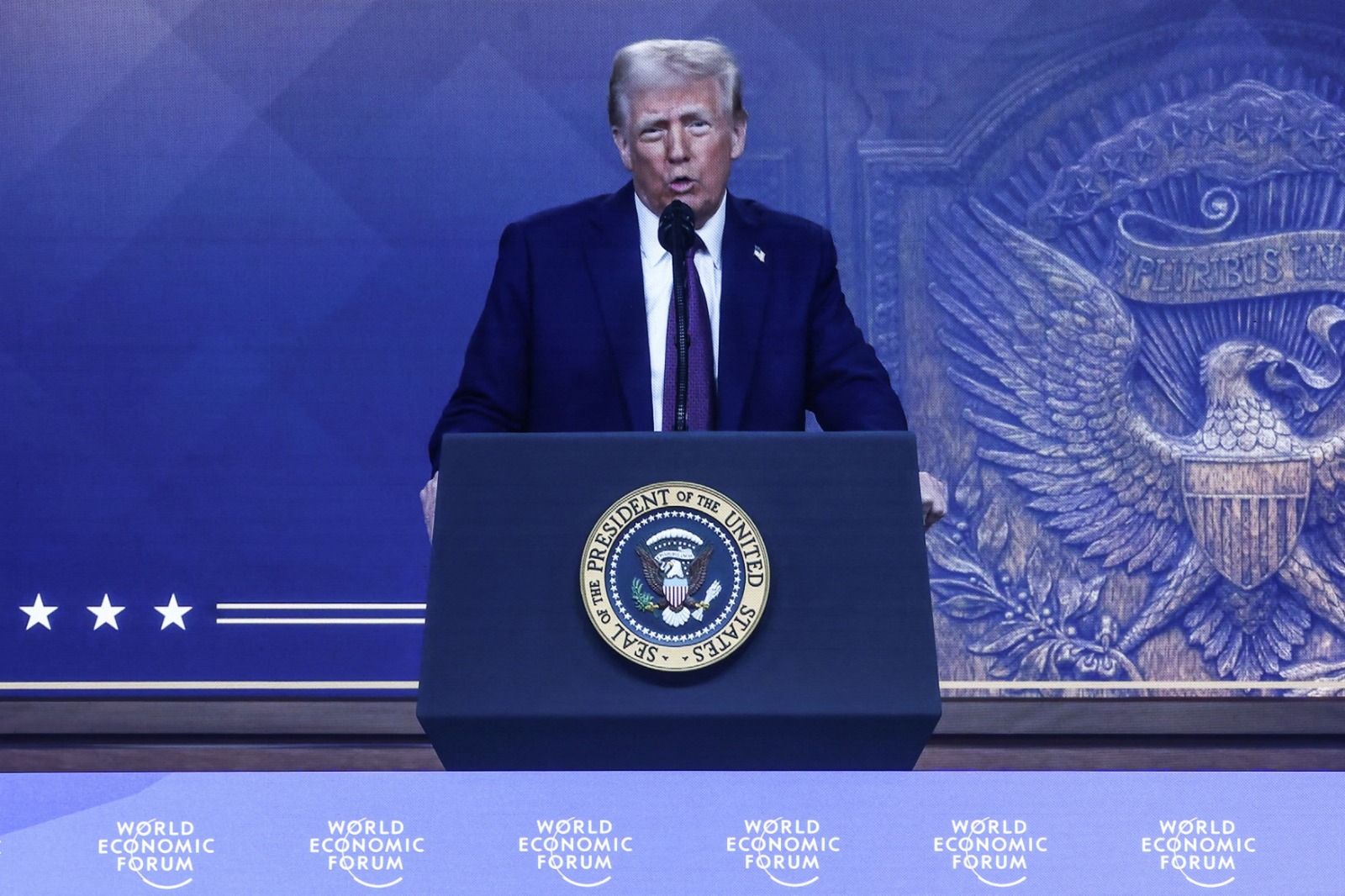
During a high-profile interaction with the press following a meeting with the German chancellor, the U.S. President outlined the administration’s position on Iran, making it clear that no talks will occur unless Tehran surrenders unconditionally. The session was marked by pointed questions from journalists, which were met with firm, uncompromising responses from the President. When asked whether he believed Iran genuinely wanted to engage in dialogue, he stated that the United States had seen no credible outreach from Iranian officials and that any suggestion of negotiations without a clear acceptance of U.S. demands was “completely unrealistic.” He emphasized that previous attempts at diplomacy had failed to prevent Iran from threatening both regional and international stability, and that the only pathway to any kind of engagement would be Tehran’s total acceptance of U.S. conditions.
A reporter pressed further, asking if there was any conceivable scenario in which dialogue could take place without Iran surrendering. The President replied that there is none, stressing that as long as Iranian leadership maintains military operations and strategic planning against American and allied interests, diplomacy remains impossible. He reiterated that peace could only be considered after accountability and compliance, and framed this position as a necessity to protect both American forces and allies in the region. When asked about the humanitarian toll of military operations, the President acknowledged the civilian impact but pointedly stated that the responsibility for escalation rests with Iran, which had already initiated strikes that prompted the U.S. response.
During the same press session, journalists inquired about the role of U.S. allies, particularly European partners, in managing the crisis. The President confirmed that coordination with allies is ongoing and robust, citing shared intelligence and joint strategic planning. However, he clarified that the central focus remains on pressuring Iran to surrender, asserting that any deviation from this goal would be counterproductive. A further line of questioning addressed the possibility of mediation or third-party involvement, to which the President replied that external mediation could only be relevant after Iran demonstrates willingness to comply with U.S. conditions, reiterating that without a fundamental change in Tehran’s posture, diplomacy is not viable.
In direct response to claims circulating in some quarters that Iran has expressed interest in negotiations, Iranian officials issued swift and categorical denials. A spokesperson for the Iranian government emphasized that no formal request for talks has been made and that any suggestion to the contrary was misleading. Iranian authorities pointed to the recent escalation of conflict, including attacks resulting in civilian casualties and damage to key infrastructure, as evidence that the United States cannot be trusted as a negotiating partner. The spokesperson argued that Tehran has no reason to pursue dialogue while being subjected to strikes that have killed civilians and targeted critical facilities. They framed the refusal to surrender as a defense of national dignity and honor, stating that Iran will not compromise under conditions imposed by a foreign power.
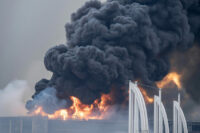
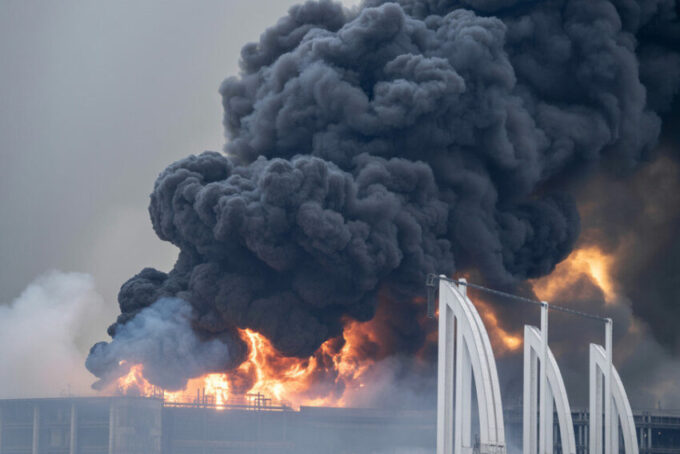
The military situation on the ground has continued to escalate. U.S. and allied forces have conducted operations designed to reduce Iran’s military capabilities, targeting facilities believed to be used for command, control, and weapons development. In response, Iran has deployed missile and drone strikes against strategic positions connected to U.S. operations, including bases and allied infrastructure in neighboring countries. These actions have created a tense standoff, with neither side showing signs of de-escalating, and with the potential for significant collateral damage. Observers note that the refusal by both parties to moderate their positions has created a stalemate that is increasingly difficult to break.
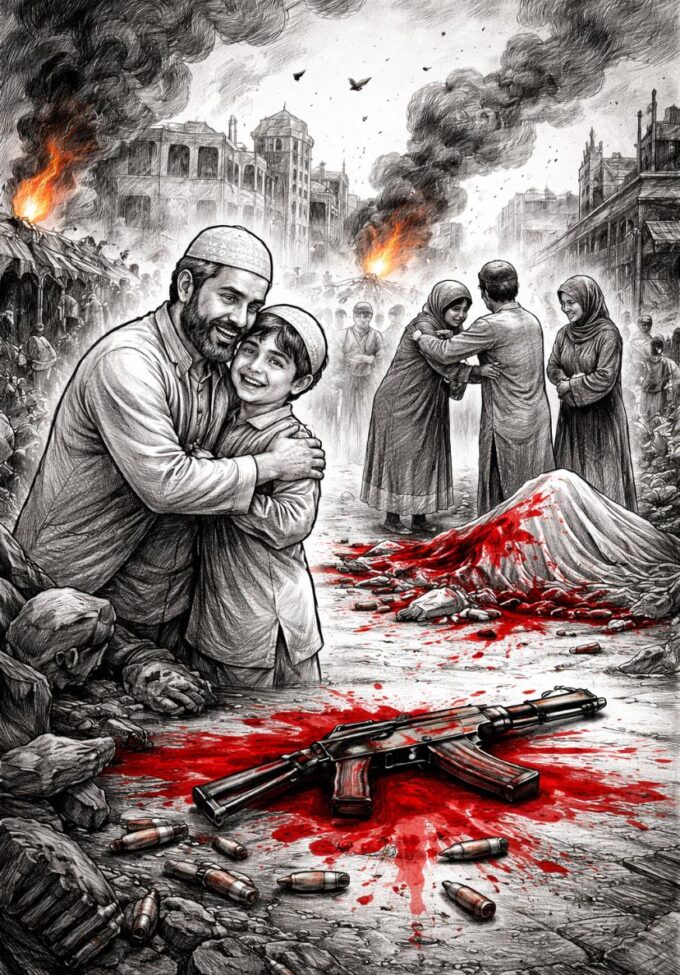
Analysts monitoring the situation have highlighted the growing humanitarian consequences. Essential services, including power and water distribution, have been disrupted in areas affected by military strikes, leaving civilians vulnerable. Hospitals and emergency services are operating under extreme pressure, while displacement continues to rise in border areas and major urban centers. Food and medical supplies are becoming scarce in affected regions, and aid agencies report difficulties reaching populations in need due to ongoing military activity. The combination of active conflict and logistical challenges has created a situation in which civilian suffering is increasing rapidly, raising concerns about longer-term consequences for regional stability.
Experts also point to the broader strategic implications of the stand-off. The insistence by the United States on unconditional surrender represents one of the most uncompromising stances in recent American foreign policy history. Iranian authorities, by contrast, are motivated by a combination of national pride, military capability, and the desire to avoid a perception of weakness both domestically and internationally. This dynamic has created a situation in which military engagement is likely to continue, with little immediate prospect for a negotiated settlement. Observers suggest that only a neutral third-party mediator with credibility on both sides could potentially create conditions for dialogue, but even such an intervention would face significant challenges given the entrenched positions of both governments.
During the press session, reporters asked whether the President anticipated a timeline for the conflict or expected a resolution in the near future. He responded that military and diplomatic calculations are ongoing, but stressed that any timetable would be contingent on Iran’s actions. The President emphasized that while the United States is prepared to manage the operational aspects of the conflict, the outcome will ultimately be determined by Iran’s willingness to comply with U.S. demands. Journalists further questioned whether the administration had considered the potential for escalation beyond the immediate region, including impacts on global energy markets and security in neighboring countries. The President acknowledged these risks but reiterated that preventing Iranian aggression and ensuring compliance is the highest priority, framing the approach as a measure to protect both American and international security interests.
Tehran’s response to these statements has been unambiguous. Officials have warned that further escalation by the United States would be met with calculated retaliation. In interviews with regional media, Iranian leaders highlighted the death of civilians, particularly children, as a motivating factor in resisting U.S. demands. They stressed that Iran sees itself as defending not only territorial integrity but also the memory of those affected by the ongoing strikes. Officials stated that surrender is not an option and that any claims suggesting Iran is seeking negotiations are fabricated to justify continued pressure.
The situation has also had significant regional effects. Neighboring countries have expressed concern about the potential for spillover, with border security and refugee flows becoming pressing issues. The conflict has affected shipping routes, energy infrastructure, and trade patterns, prompting global attention and calls for de-escalation. Analysts warn that without a shift in the positions of either the United States or Iran, the conflict could expand in both intensity and geographic scope, creating a prolonged crisis with widespread consequences.
Observers continue to emphasize that the current standoff represents both a strategic and moral challenge. The uncompromising posture of the United States, combined with Iran’s insistence on defending national honor, has produced a situation in which conventional diplomacy is nearly impossible. Civilian populations remain vulnerable, regional partners face heightened uncertainty, and the broader international community watches with concern. While military operations continue, analysts suggest that any path toward resolution will require creative solutions, including the involvement of credible mediators and mechanisms that address the core concerns of both sides without compromising humanitarian priorities.
In summary, the press session with the U.S. President made clear that the United States will not negotiate with Iran absent total surrender, while Iranian authorities continue to deny any desire for dialogue and insist on defending their national interests. The military confrontation shows no signs of abating, and humanitarian consequences are escalating. Observers warn that without intervention or a shift in policy, the standoff is likely to continue, prolonging suffering and instability in the region. Both governments remain deeply entrenched in their positions, leaving the immediate future uncertain and the potential for further escalation high.
Post Disclaimer
The views and content presented in this article, news report, or video are solely those of the respective author or creator and do not necessarily reflect the official policy or position of BW Times Digital Online E-Paper.






Leave a comment