









Ramadan is not only a month of hunger and thirst. It is a complete spiritual training program for 30 days, designed to transform the heart, purify wealth, and build justice in society. In Islamic teaching, Ramadan is often described in three spiritual phases.
The first ten days are known as the days of Rahmah (Mercy). Muslims believe that during these days, Allah’s mercy surrounds believers. It is a time to soften hearts, increase kindness, repair relationships, and help the needy. Mercy is not only about prayer; it is also about how business is conducted, how workers are treated, and how prices are set in markets.
The second ten days are the days of Maghfirah (Forgiveness). These days remind believers to seek forgiveness for personal sins and social injustices. Islam teaches that forgiveness is connected to correcting wrong actions. If someone has cheated, oppressed, or taken unfair profit, true forgiveness requires reform and justice.
The last ten days are the days of Nijat min an-Nar (Salvation from Hellfire). These are the most spiritually powerful nights, including Laylat al-Qadr, the Night of Power. Muslims increase worship, charity, and reflection. It is a time when a believer asks not only for personal salvation but also for a society free from oppression and injustice.
Islam clearly teaches economic fairness. The Prophet Muhammad (peace be upon him) strongly warned against hoarding goods to raise prices. He condemned those who exploit people in times of need. Ramadan especially is meant to reduce suffering, not increase it. Zakat, Sadaqah, and feeding the poor are central pillars of this month. Wealth should circulate to lift the poor, not concentrate in the hands of a few.
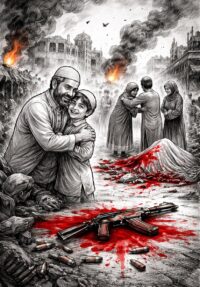
However, many people observe that in Pakistan, the reality during Ramadan often appears different. Instead of prices decreasing to help fasting families, essential items sometimes become more expensive. Food, fruits, meat, and daily necessities see price increases. Small shopkeepers and large wholesalers alike may take advantage of high demand. For poor families, Ramadan becomes more financially stressful rather than spiritually uplifting.
In the first ten days, when mercy should dominate markets, inflation sometimes rises sharply. In the second ten days, instead of collective accountability, there can be further price manipulation. In the last ten days, when people prepare for Eid, garment markets, shoe sellers, and other businesses often raise prices due to heavy demand. While earning profit in Islam is halal, exploitation and unfair profit are not.
The deeper issue is economic inequality. When inflation rises, the poor suffer first. Their limited income cannot match rising food prices. Meanwhile, wealthier individuals may continue spending comfortably. In some cases, large charitable donations are made, but they are accompanied by publicity campaigns. Islam teaches that charity should be sincere and humble, not a tool for social image building.
Another concern often raised is governance and regulation. Islamic principles demand that authorities ensure fair trade, prevent hoarding, and protect vulnerable citizens. If markets are left unchecked, injustice grows. The spirit of Ramadan requires leadership that prioritizes public welfare over political or personal interest.
It is also important to recognize that not everyone follows this negative pattern. Many individuals, charities, and community groups in Pakistan work tirelessly to provide free Iftar meals, distribute ration bags, and control prices voluntarily. Mosques and welfare organizations serve thousands daily. These efforts reflect the true spirit of Ramadan.
The contradiction between spiritual teaching and economic practice creates frustration. Ramadan is meant to create empathy. When a wealthy person feels hunger during fasting, it should awaken compassion for those who are hungry all year. If fasting does not reduce greed, then its deeper purpose is lost.
The solution lies not only in criticizing society but in reforming it. Business owners can choose ethical pricing. Consumers can avoid panic buying. Religious leaders can speak more strongly about economic justice in sermons. Governments can enforce price controls and anti-hoarding laws more strictly. Wealthy individuals can give quietly and consistently, without seeking fame.
Ramadan is a mirror. It reflects the true condition of a nation’s heart. If mercy, forgiveness, and salvation are practiced sincerely, society becomes balanced and fair. If greed dominates, then fasting becomes only a physical exercise without moral impact.
The message of Ramadan is clear: wealth is a trust, power is a responsibility, and mercy is greater than profit. A nation that truly understands these 30 days will not allow inflation and exploitation to overshadow spirituality. True success in Ramadan is not measured by market sales, but by justice, compassion, and sincere reform.
Post Disclaimer
The views and content presented in this article, news report, or video are solely those of the respective author or creator and do not necessarily reflect the official policy or position of BW Times Digital Online E-Paper.




Leave a comment