















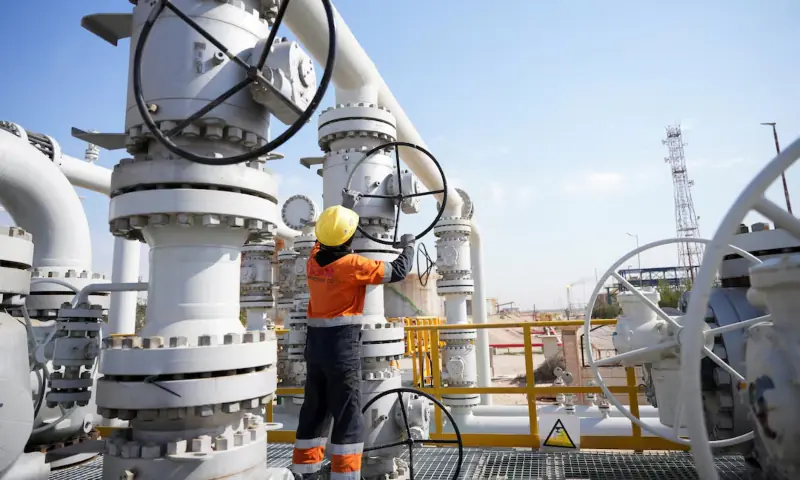
The growing military tension involving Iran, the United States, and Israel in the Gulf region has created serious concerns across the global energy market. Oil, natural gas, and liquefied natural gas (LNG) supplies are closely tied to this region, and any disruption immediately affects prices and availability around the world. As the conflict intensifies, traders, governments, and industries are watching the situation carefully because the Gulf is one of the most important energy hubs on the planet.
Strategic Importance of the Gulf Region
The Persian Gulf and the nearby shipping route known as the Strait of Hormuz serve as one of the busiest energy corridors in the world. Every day, millions of barrels of crude oil and large volumes of LNG move through this narrow passage toward Asia, Europe, and other parts of the world.
When military activity increases in the region, shipping companies become cautious, insurance costs rise, and some tankers delay or change routes. Even a small disruption in this area can tighten global supply and trigger immediate price increases in oil and gas markets.
Oil Prices Climb Across Global Markets
Since tensions escalated, crude oil prices have shown strong upward movement in international markets. Benchmark crude prices in major trading regions have moved close to the 90 to 95 dollar range per barrel, with analysts warning that prolonged instability could push prices toward 100 dollars per barrel or even higher.
The reason is simple: Gulf countries produce and export a large portion of the world’s crude oil. When production facilities, export terminals, or tanker routes face potential risk, the global supply chain becomes uncertain. Traders often react quickly by buying contracts in anticipation of shortages, which drives prices upward.
Higher oil prices also affect fuel markets in many countries. Gasoline, diesel, aviation fuel, and shipping costs begin to rise, eventually impacting transportation, food prices, and industrial production.
LNG and Natural Gas Markets Also Affected
The Gulf region is not only important for crude oil; it is also a major supplier of LNG to the world. LNG shipments from this area travel to Asia and Europe, where they are used for electricity generation, heating, and industrial activity.
If conflict disrupts export terminals or shipping routes, LNG deliveries can slow down or stop temporarily. This situation has already caused concern in energy markets because many countries depend on steady LNG shipments to maintain electricity supply and energy security.
Natural gas prices in several regions have started to move upward due to fears of tighter supply. Power producers and manufacturing industries that rely heavily on gas may face increased operating costs if the conflict continues.
Impact on Asia
Asian economies are among the most exposed to energy disruptions in the Gulf. Countries such as China, India, Japan, and South Korea import large volumes of oil and LNG from Middle Eastern producers.
China, the world’s largest energy importer, may face rising fuel costs if crude prices continue to increase. Higher oil prices affect transportation networks, manufacturing, and electricity generation.
India also depends heavily on imported crude oil for its economic growth. A sharp rise in global oil prices could increase domestic fuel costs and place pressure on inflation and government budgets.
Japan and South Korea, which rely on LNG for electricity production, are closely monitoring the situation. Any interruption in LNG shipments could lead to tighter energy supplies and higher electricity prices.
Effects on Europe
Europe also feels the impact of rising energy prices. Although the region receives oil and gas from various suppliers, global price changes quickly influence European markets.
Higher LNG costs can increase electricity prices and place pressure on industries that consume large amounts of energy. Manufacturing sectors, chemical production, and heavy industry may experience higher operating expenses if gas prices continue rising.
North American Energy Market
North America is relatively better positioned due to strong domestic production of oil and natural gas. However, global oil prices still influence fuel costs across the continent.
When crude prices rise internationally, gasoline and diesel prices tend to increase as well. This can influence transportation costs and contribute to broader inflation across the economy.
Russia’s Position in the Energy Market
Rising global oil prices may indirectly benefit major energy exporters outside the Gulf region. Russia is one of the world’s largest suppliers of crude oil and natural gas. If buyers seek alternative sources due to instability in the Gulf, demand for Russian energy exports may increase.
Higher prices in global markets also strengthen revenue for countries that export large amounts of oil and gas, giving them greater influence in energy trade.
Wider Economic Impact
The consequences of the Gulf conflict extend beyond oil and gas markets. Shipping insurance rates for tankers have increased due to security risks. Some vessels are taking longer routes to avoid danger zones, which adds additional costs to global trade.
Financial markets are also reacting to the uncertainty. Investors often view geopolitical tension in major energy regions as a risk factor that can influence economic growth and inflation worldwide.
Future Outlook
The future of global energy prices now depends largely on how the conflict develops in the Gulf region. If tensions ease and shipping routes remain open, oil and gas markets may stabilize. However, if the situation worsens or key export routes become blocked, energy prices could rise significantly in the coming months.
For now, governments, industries, and consumers around the world remain focused on developments in the Gulf, understanding that events in this region can quickly influence the cost of energy and the stability of the global economy.
Post Disclaimer
The views and content presented in this article, news report, or video are solely those of the respective author or creator and do not necessarily reflect the official policy or position of BW Times Digital Online E-Paper.









Leave a comment