















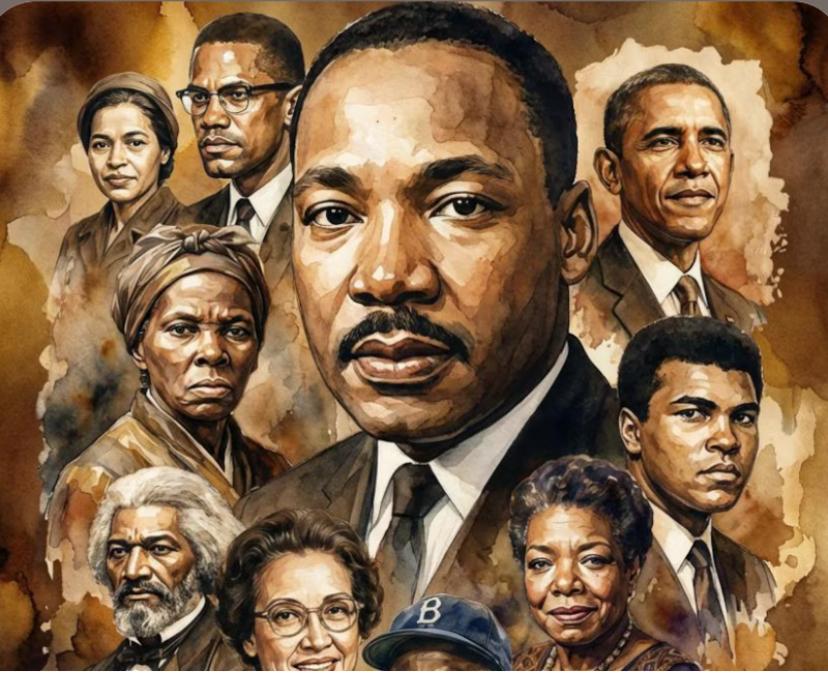
Every February, communities across Canada come together to observe Black History Month, a period dedicated to recognizing the achievements, struggles, and contributions of Black Canadians throughout the nation’s history. Although the month was officially recognized by the Canadian government in 1995, after a motion introduced by Jean Augustine, the first Black woman elected to Parliament, the celebration has deep roots in community initiatives that predate its formal recognition. For decades, Black Canadians organized cultural events, lectures, and educational programs to ensure that their stories and history were remembered and shared widely.
February was chosen to align with long-standing North American traditions. Historian Carter G. Woodson established Negro History Week in the United States in 1926 to encourage the study of Black history, and over time this observance grew into a full month. Canada adopted February as well, allowing communities to highlight the specific contributions of Black Canadians while acknowledging shared historical connections across the continent.
Black presence in Canada spans more than four centuries. One of the earliest documented Black figures was Mathieu Da Costa, who served as an interpreter between European explorers and Indigenous peoples in the early 1600s. During the late 18th century, Black Loyalists who had supported the British during the American Revolution settled in Nova Scotia and other parts of what would become Canada. Later, in the 19th century, many enslaved people escaped to Canada through the Underground Railroad, forming communities primarily in Ontario and the Atlantic provinces. These early settlers contributed to the social, economic, and cultural development of the country while enduring discrimination and segregation.
Notable figures such as Viola Desmond, who in 1946 challenged racial segregation in a Nova Scotia movie theatre, became symbols of courage and resistance in the fight for civil rights. Political representation also expanded over time, with Lincoln Alexander becoming Canada’s first Black Member of Parliament in 1968 and later serving as Lieutenant Governor of Ontario. Leaders such as Jean Augustine built on this foundation, advocating for diversity and inclusion in public institutions.
Alberta’s Black history is an integral part of this broader national story. In the early 1900s, Black settlers from Oklahoma and other southern U.S. states migrated north, seeking freedom from racial violence and the opportunity to own land. Many of these settlers established farming communities in northern Alberta, with Amber Valley near Athabasca becoming one of the most prominent. These pioneers faced harsh winters, isolation, and racial prejudice but managed to build schools, churches, and thriving agricultural operations that contributed to the province’s development. Other communities, such as Campsie and Keystone, provided mutual support networks, ensuring that settlers could sustain their communities despite the challenges.
Alberta has also produced Black leaders who have shaped provincial politics and public life. Figures like Kaycee Madu, one of the province’s first Black cabinet ministers, exemplify the increasing representation of Black Canadians in leadership roles. Beyond politics, Alberta’s Black communities have enriched the province culturally, hosting events in music, storytelling, art, and education that highlight both historical achievements and contemporary contributions. Schools incorporate lessons on historic communities like Amber Valley, while museums and cultural centers present exhibitions honoring the legacy of Black Albertans.
Throughout Canada, Black History Month is marked by a wide array of activities organized by both government bodies and community organizations. These include panel discussions, art exhibitions, film screenings, performances, workshops, and youth mentorship programs. In Alberta, major cities such as Edmonton and Calgary host month-long showcases featuring music, dance, film, and storytelling, while universities organize lectures, fashion shows, and cultural presentations. Libraries and community centers also provide programs that allow residents of all ages to engage with Black history and contemporary contributions. While government proclamations officially recognize the month, many events are organized and led by community groups, cultural organizations, and educational institutions, reflecting the collaborative nature of the celebrations.
Overall, Black History Month serves as both a time of celebration and reflection. It honors the achievements of Black Canadians, from early interpreters and settlers to modern leaders in politics, arts, and business, while also acknowledging the challenges they have faced and continue to face. Alberta’s rich history of Black settlements and contributions is a reminder of the province’s diverse cultural heritage, and the wide range of events held during February demonstrates the ongoing commitment to education, inclusion, and recognition. Each year, Canadians take this time to reflect on the importance of Black history as a foundational part of the country’s identity and to reaffirm the collective commitment to equity and inclusion, not only during February but throughout the entire year.
Post Disclaimer
The views and content presented in this article, news report, or video are solely those of the respective author or creator and do not necessarily reflect the official policy or position of BW Times Digital Online E-Paper.










Leave a comment