















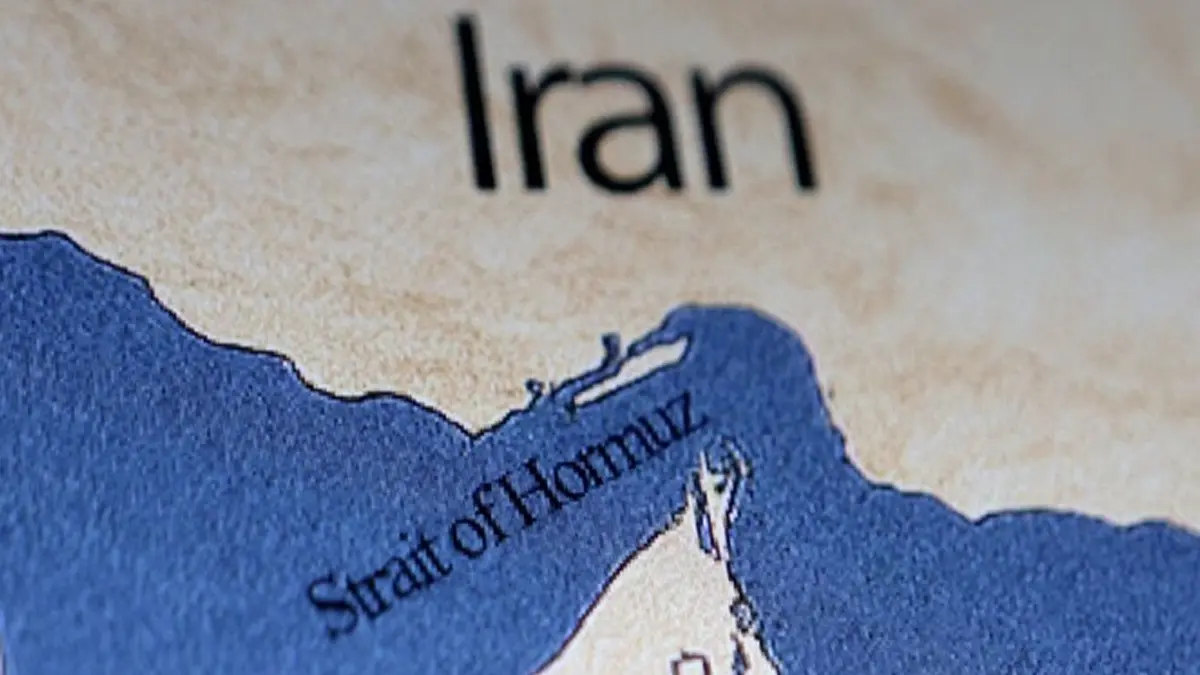
Iran’s reported move to charge ships for passing through the Strait of Hormuz is drawing international scrutiny, with legal experts questioning whether such fees are permitted under global maritime law.
The controversy has intensified as comparisons are being made with the Suez Canal and the Panama Canal, both of which legally charge transit tolls. However, the key distinction lies in the nature of these waterways.
According to the United Nations Convention on the Law of the Sea, straits used for international navigation must remain open for “transit passage,” meaning ships can pass without obstruction or mandatory fees. The treaty, which came into force in 1994, clearly states that countries bordering such straits cannot impose tolls simply for passage.
This places Iran’s reported demand in a legally questionable position. Unlike canals, which are man-made and operated by countries that maintain them, natural straits such as Hormuz fall under different international rules.
For example, Turkey does not charge transit fees for ships crossing the Bosphorus Strait or the Dardanelles Strait, both of which are governed by similar legal principles under international law.
In contrast, Egypt and Panama are permitted to collect tolls because canals like Suez and Panama are artificially constructed and maintained infrastructure, allowing them to charge vessels for usage and services.
Reports suggest Iran may be seeking up to $2 million per vessel for transit through the Strait of Hormuz, a move that has raised alarm due to the route’s global importance. A significant portion of the world’s oil and trade shipments pass through the narrow waterway connecting the Persian Gulf to international markets.
Donald Trump has also weighed in on the issue, warning that such actions, if confirmed, could escalate tensions and disrupt global shipping.
While international law does allow coastal states to charge fees for specific services such as pilotage or port assistance, imposing mandatory transit tolls for passage alone is widely seen as a violation of established maritime rules.
With no historical precedent of tolls being charged at Hormuz, the situation is likely to draw further diplomatic and legal challenges in the coming weeks as global stakeholders monitor developments closely.
Courtesy: republicworld
Post Disclaimer
The views and content presented in this article, news report, or video are solely those of the respective author or creator and do not necessarily reflect the official policy or position of BW Times Digital Online E-Paper.










Leave a comment