















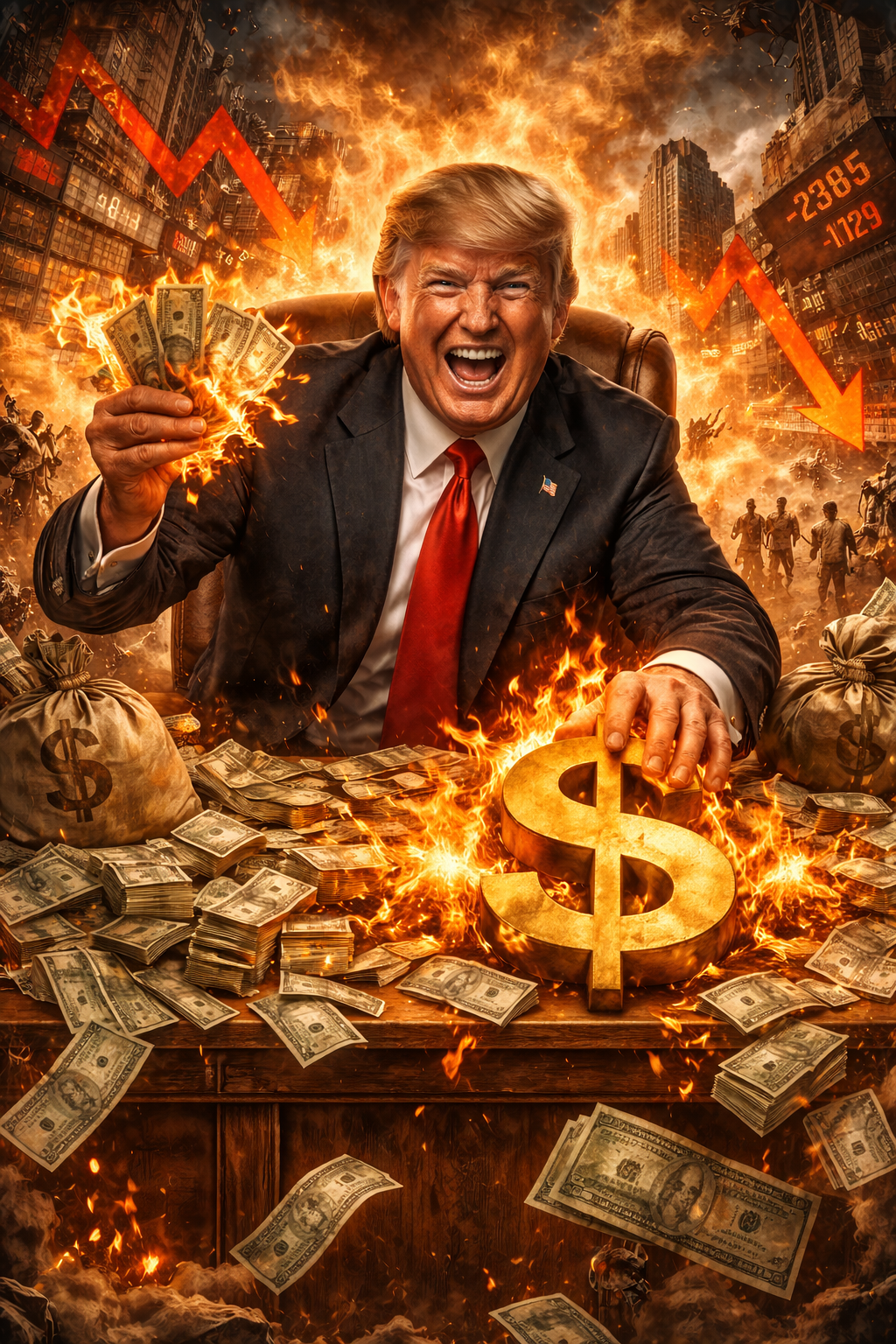
After former U.S. President Donald Trump announced a sweeping 15 percent increase in tariffs on a wide range of imported goods, reactions quickly spread across political, economic, and diplomatic circles. The move, presented as part of a broader push to protect American manufacturing and reduce trade imbalances, immediately drew both strong support and sharp criticism at home and abroad.
Financial markets reacted with volatility. Investors expressed concern that higher tariffs could raise production costs for American companies that rely on global supply chains. Industries such as automotive manufacturing, electronics, agriculture, and retail were seen as particularly vulnerable. Many business leaders warned that additional import taxes would likely be passed on to consumers, potentially driving up prices for everyday goods. Some economists cautioned that such a broad tariff policy could fuel inflation and slow economic growth if trading partners responded with countermeasures.
Within the United States, political reaction was divided. Supporters argued that the decision showed determination to put American industry first. They said previous trade arrangements had disadvantaged domestic workers and allowed foreign competitors to benefit unfairly. In manufacturing-heavy states, some labor groups welcomed the move, hoping it would encourage companies to expand production inside the country.
Opponents, however, raised legal and constitutional concerns. Critics claimed that implementing a wide-ranging tariff without clear congressional approval could exceed executive authority. Legal scholars debated whether emergency trade powers justified such an action, especially if courts signaled that aspects of the policy might violate trade law or existing international agreements. Some lawmakers described the move as confrontational and warned it could weaken the rule of law if court rulings were ignored.
Internationally, governments responded cautiously but firmly. Several major trading partners signaled they were reviewing their options, including filing disputes through global trade mechanisms or imposing reciprocal tariffs on American exports. Diplomatic channels grew tense as foreign officials expressed concern that escalating trade measures could damage long-standing economic relationships.
Global markets reflected anxiety over the possibility of a trade conflict spreading beyond a single policy decision. Currency fluctuations and stock market swings followed the announcement. Trade analysts warned that prolonged tariff battles could disrupt supply chains, delay investments, and reduce business confidence worldwide.
At the same time, some political observers noted that the announcement strengthened Trump’s support among voters who favored aggressive trade policies. For many of his backers, the move symbolized a willingness to challenge international norms and prioritize domestic economic sovereignty, even in the face of legal or institutional resistance.
If the courts were to rule parts of the tariff plan unlawful and the administration chose not to comply, the issue could escalate into a broader constitutional dispute. Such a confrontation would test the balance of power between the executive branch and the judiciary. Legal experts emphasized that the strength of democratic institutions often depends on adherence to court decisions, regardless of political disagreement.
The long-term outcome remains uncertain. The tariff increase may lead to renegotiated trade agreements or new domestic investments. On the other hand, it could trigger retaliation that affects farmers, exporters, and consumers. What is clear is that the decision has reignited debate about trade policy, executive authority, and the role of courts in shaping economic governance.
Post Disclaimer
The views and content presented in this article, news report, or video are solely those of the respective author or creator and do not necessarily reflect the official policy or position of BW Times Digital Online E-Paper.











Leave a comment