













Milano–Cortina 2026 Winter Olympics Spark Widespread Protests in Italy
The Milano–Cortina 2026 Winter Olympics have become the center of sustained protests across northern Italy, transforming what was intended to be a celebration of international sport into a broader national debate over environmental protection, public spending, housing affordability, and political accountability.
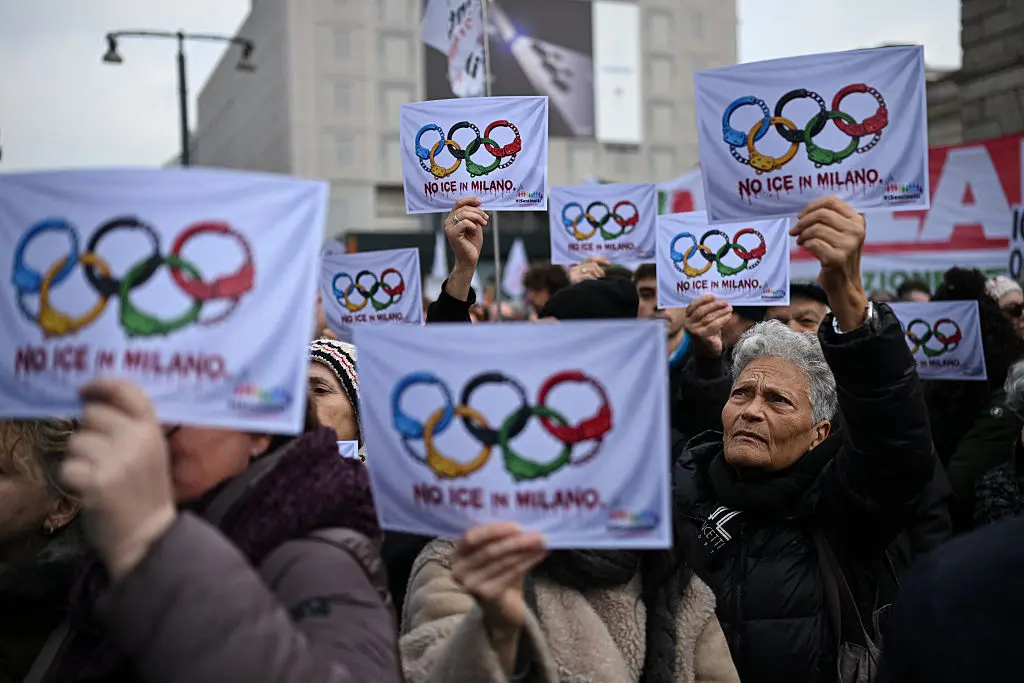
From Milan to Cortina d’Ampezzo, environmental activists, students, community groups, and local residents have repeatedly demonstrated against the Games. Protesters argue that the long-term social and ecological costs of hosting the Olympics far outweigh the short-term economic and promotional benefits promised by organizers.
Environmental Concerns at the Core
Opposition to the Olympics began shortly after Italy secured hosting rights in 2019. While initial plans promoted a “sustainable and distributed” Games model, criticism grew as large-scale infrastructure projects moved forward. Environmental groups have raised concerns about deforestation, construction in sensitive Alpine regions, new road networks, and the disruption of fragile mountain ecosystems.
One of the most controversial projects is the reconstruction of the Cortina sliding track for bobsleigh, luge, and skeleton events. Critics describe the project as environmentally damaging, extremely costly, and unnecessary, pointing out that suitable facilities already exist elsewhere in Europe.
Housing and Gentrification Fears in Milan
In Milan, protests have focused heavily on housing and urban development. Activists argue that Olympic-related construction has accelerated gentrification, driven up rents, and reduced affordable housing options for students and low-income residents.
The planned Olympic Village, which organizers say will later be converted into student housing, has drawn criticism over its high costs, private-sector involvement, and lack of firm guarantees that it will remain affordable after the Games. Protest slogans such as “No Olimpiadi” and “The Games are not for us” reflect public frustration over who is expected to benefit.
Questions Over Public Spending and Transparency
Rising costs have intensified scrutiny over public finances. Protesters claim that funds are being diverted from essential services — including healthcare, education, and local transport — to support Olympic infrastructure. Demonstrators have called for greater transparency, independent oversight, and clearer accounting as budgets expand.
Some groups have linked the Olympics to wider concerns about corruption, political favoritism, and weak accountability, arguing that Italy’s history with large-scale events includes cost overruns and underused facilities.
Impact on Alpine Communities
Resistance has also spread beyond urban centers. In mountain communities near Cortina and other Alpine venues, residents have organized rallies and public meetings to voice concerns over construction traffic, noise pollution, and permanent landscape changes.
Farmers and tourism workers worry that short-term disruption could undermine the natural environment that supports the region’s year-round economy. Environmental advocates have additionally warned that climate change makes heavy investment in winter sports infrastructure increasingly risky due to declining snow reliability and rising maintenance costs.
Official Response and Ongoing Debate
Italian authorities and the Milano–Cortina 2026 organizing committee have defended the project, saying the Games will modernize infrastructure, boost sustainable tourism, create jobs, and leave a positive legacy. Officials emphasize that many venues already exist and that new developments are designed for post-Olympic use, with commitments to carbon reduction and environmental mitigation.
However, these assurances have not fully eased opposition. As construction accelerates and the visible impact grows, protests have become a regular feature of the Olympic timeline.
With the opening ceremony approaching, the Milano–Cortina 2026 Winter Olympics now stand at the intersection of global sport and local resistance. Beyond athletic competition, the Games have sparked a wider European conversation about climate responsibility, social justice, and who truly benefits from mega-events — a debate that is likely to continue long after the final medals are awarded.
Post Disclaimer
The views and content presented in this article, news report, or video are solely those of the respective author or creator and do not necessarily reflect the official policy or position of BW Times Digital Online E-Paper.








Leave a comment