













A violent incident at a Jewish place of worship in the American state of Michigan has raised serious concerns about the safety of religious institutions and the growing tension linked to international conflicts. The attack occurred at Temple Israel, one of the largest Jewish congregations in the region. Authorities say the situation developed quickly but was contained before it could turn into a larger tragedy.
According to local police and federal investigators, the suspect was a man identified as Ayman Mohamad Ghazali, a 41-year-old resident of the area. Officials say he drove a vehicle toward the synagogue building and forced his way onto the property before opening fire with a rifle. At the time of the attack, the synagogue complex was active with community activities, including an early childhood program where children and teachers were present inside the building.
Security personnel stationed at the synagogue responded immediately. The guard on duty confronted the attacker as soon as he entered the building area. During the confrontation the guard was struck by the vehicle and briefly lost consciousness. Despite the danger, security measures and the rapid reaction of staff helped protect the people inside the building. Teachers quickly secured the children in safe rooms while emergency calls were made to local police.
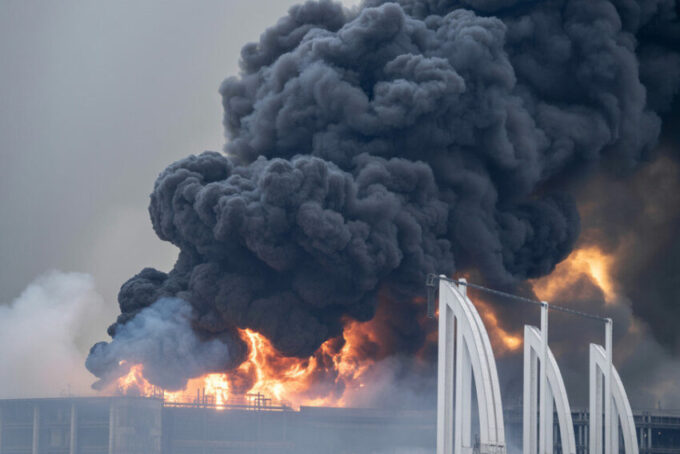
Law-enforcement officers arrived within minutes. A brief exchange of gunfire occurred between the suspect and security responders. The attacker was ultimately shot and killed at the scene, bringing the immediate threat to an end. Emergency responders also dealt with a fire that broke out in the suspect’s vehicle after it crashed near the entrance of the building. Firefighters managed to control the flames before the fire could spread into other parts of the synagogue structure.
Officials later confirmed that around one hundred and forty children and staff members were inside the facility at the time of the attack. Fortunately none of the children were physically injured. However, several responding police officers and firefighters required medical attention after inhaling smoke while dealing with the vehicle fire and securing the area.
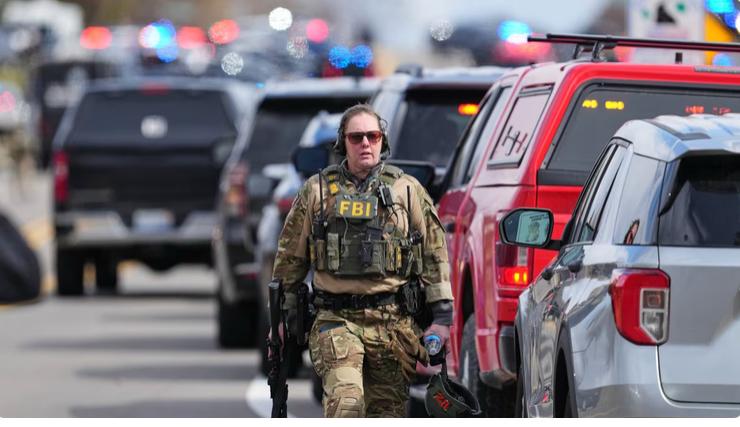
Federal authorities, including investigators from the Federal Bureau of Investigation, joined local police to examine the background of the suspect. Investigators began reviewing the attacker’s personal history, online activities, and recent communications to determine what may have motivated the attack. Early indications suggested the act may have been driven by anger connected to global political conflicts and hostility toward the Jewish community.
Authorities also looked into the suspect’s personal circumstances. Information gathered during the investigation indicated that he had experienced emotional distress in recent months, reportedly linked to the deaths of relatives overseas during ongoing regional violence. Investigators are examining whether grief, political anger, or exposure to extremist ideas may have influenced his actions. At this stage officials say the investigation remains focused on understanding the combination of factors that led to the attack.
Community leaders in Michigan strongly condemned the violence and expressed relief that the situation did not result in mass casualties. Members of the Jewish community gathered for prayer and solidarity meetings in the days following the incident. Religious leaders from different faiths also visited the synagogue to show support and emphasize unity against hate-motivated violence.
The incident has once again highlighted a growing security concern in the United States: attacks against religious institutions. Over the past several years synagogues, churches, and mosques have all faced threats or acts of violence from individuals motivated by ideology, prejudice, or personal grievances. Because of these risks, many places of worship have increased security training, surveillance systems, and coordination with local police departments.
The Michigan attack has also renewed debate about American domestic security policy. Experts say that lone-actor attacks, often carried out by individuals who radicalize themselves through online content or personal grievances, are among the most difficult threats for security agencies to prevent. Unlike organized extremist groups, individuals acting alone can plan attacks with little communication that might alert authorities.
Another issue raised by the attack is the impact of international conflicts on communities inside the United States. When tensions rise in regions such as the Middle East, emotions often spread far beyond those borders. Analysts say this sometimes leads to increased hostility between communities living thousands of miles away from the conflict itself. Governments and community organizations therefore face the challenge of preventing overseas political disputes from turning into violence at home.
Policy experts also stress the importance of community engagement in preventing extremism. Programs that build communication between law-enforcement agencies and local communities are often seen as a key tool in identifying warning signs before violence occurs. Many security specialists argue that early intervention, mental health support, and monitoring of online radicalization are essential parts of preventing similar attacks in the future.
While the immediate danger ended quickly in Michigan, the psychological impact on families and worshippers remains significant. Parents whose children were inside the synagogue during the incident described moments of fear and uncertainty before learning that their children were safe. Community counselors have since been providing support to families, teachers, and synagogue members affected by the event.
For many observers, the incident serves as a reminder that protecting freedom of religion requires constant vigilance. Places of worship are meant to be spaces of peace and reflection, yet they have increasingly become targets for individuals driven by hatred or anger. The response of security personnel and emergency services in this case likely prevented a far greater tragedy, but the event has reinforced calls for stronger protective measures around religious institutions across the country.
The investigation continues as authorities work to understand the full background of the attacker and the circumstances that led to the violence. Officials say the lessons learned from this incident will likely influence future security planning, not only for synagogues but for all communities seeking to protect their members from acts of hate and extremism.
Post Disclaimer
The views and content presented in this article, news report, or video are solely those of the respective author or creator and do not necessarily reflect the official policy or position of BW Times Digital Online E-Paper.










Leave a comment