








In Search of the Lost City of Peshawar: Remembering Tolerance & Reclaiming Hope
The historic Victoria Memorial Hall at the Peshawar Museum once again resonated with memory and reflection as distinguished citizens of Peshawar gathered for the annual lecture by Dr Sayed Amjad Hussain. Held continuously since 2017, this now prestigious intellectual and cultural event has become a cherished tradition in the city’s calendar, drawing thinkers, professionals, students and lovers of Peshawar’s layered history.
This year’s lecture, entitled “In Search of the Lost City of Peshawar” was delivered to an attentive audience, reaffirming the event’s growing stature and relevance. The session was co-hosted and elegantly compered by Aleena Ashfaq, a young lawyer and Muhammad Hassan Amin, an archaeologist, who opened the evening by highlighting the Peshawar Museum as a vital bridge between past and present, and as a socially recognised space for cultural and intellectual engagement. They warmly acknowledged Dr Abdul Samad, Director General of Archaeology and Museums Khyber Pakhtunkhwa, for enabling and supporting such meaningful public discourse.
Introducing the speaker, the comperes noted that Dr Sayed Amjad Hussain hails from Peshawar and carries the rare dual distinction of being Professor Emeritus in both science and humanities. A surgeon, writer and literary figure, Dr Hussain is widely regarded as a multifaceted intellectual with deep emotional ties to his city where he was born in 1937.
Clarifying the meaning of the “lost” city, Dr Hussain explained that what Peshawar has lost is not geography but values, particularly tolerance. He defined tolerance not as the mere absence of violence, but as the willingness to accept difference, coexist with disagreement and respecting the dignity of others regardless of faith, language or lifestyle. Historically, he said, tolerance in Peshawar meant peaceful coexistence among ethnicities, respect for other faiths and social spaces where disagreement did not immediately turn into hostility.
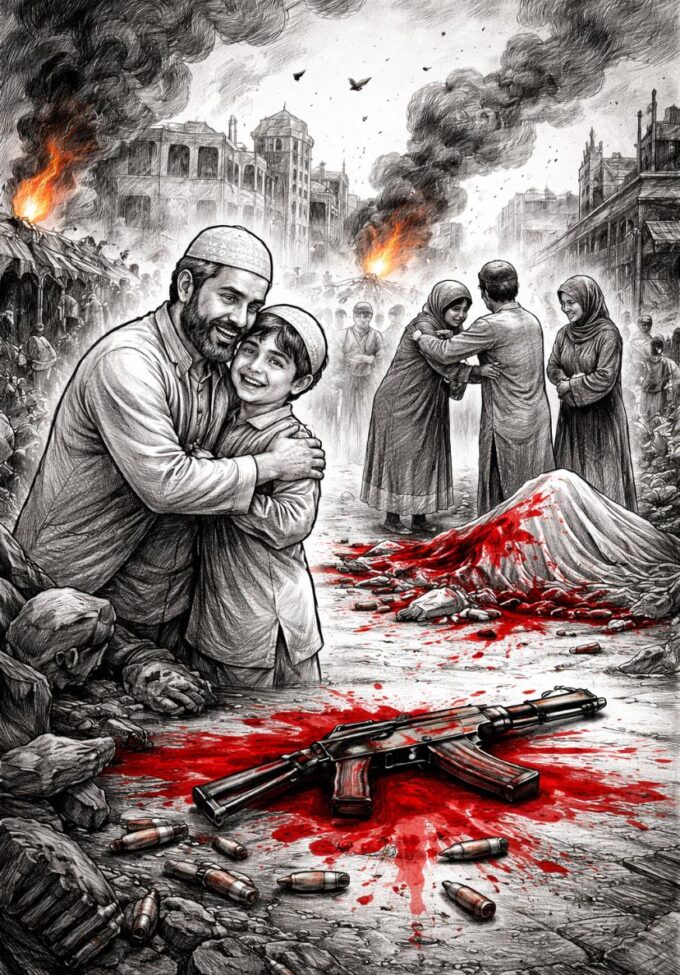
Tracing the erosion of these values, Dr Hussain posed a haunting question: when was Peshawar truly lost? In 1947, with the violent upheaval of Partition that uprooted nearly 2 million Hindus and Sikhs from the region, or in 1978 and beyond, when the Afghan war and state sponsored narratives of hatred altered social consciousness. Drawing from personal memory, he recalled the burning of Patan di Hatti (alley of Pundits) near Muslim Meena Bazaar during Partition. Exits of the alley were closed and many Hindus burnt alive as the fire smothered for days. The corner mosque continued giving azaan 5 times a day. Only 9 years old at the time, he described how the trauma was so deep that for years the call to prayer evoked the imagined smell of burning flesh.
He referenced Saadat Hasan Manto’s ‘Toba Tek Singh’ to underline the absurdity and tragedy of divided narratives, stressing that violence and blame were not one sided, and that truth lies somewhere in between. He spoke of incidents driven by greed and cruelty, such as the killing of a man named George in Asiya Peshawar who sought refuge in a mosque but was dragged out and killed, and the bitter irony of people vandalising the statue of Sir Ganga Ram in Lahore, only to rush those injured in the process to the hospital that still bears his name.
Dr Hussain observed that Muslims and Hindus were not at each other’s throats before 1947, and warned that the Zia era further entrenched intolerance by preaching hatred under the shadow of Afghan war. Yet, he emphasised hope. Recalling his visits to India, he spoke of warmth and hospitality, asserting that there exists a reservoir of goodwill between ordinary people on both sides, if politics is set aside.
Pointing to Peshawar’s Sikh community, its functioning gurdwaras and thriving businesses, he described this as a living opportunity to reclaim the city’s pluralistic soul. He advocated interfaith dialogue, rewarding friendships and humanity. Citing a personal friend former JI leader Qazi Hussain Ahmed (late), who would buy cakes for his Christian friends at Christmas, Dr Hussain urged Muslims to shun prejudices and embrace shared humanity.
A lively Q&A session followed, during which Dr Hussain reflected on his own evolving views. He shared how living in the US exposed him to acceptance across cultures, inspiring him to host Eid gatherings that now bring together over 400 people from different faiths.
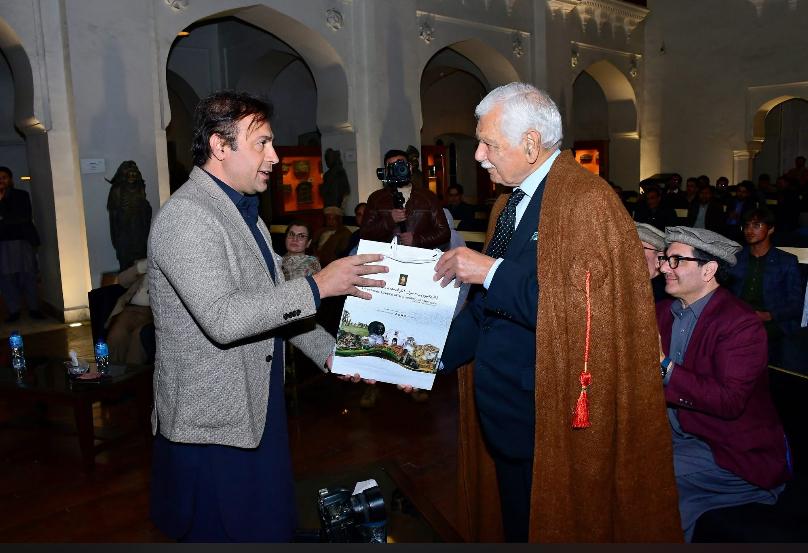
The evening concluded with Dr Abdul Samad presenting souvenirs to the guests and Dr Hussain’s family, whose presence from the US made this year’s event especially meaningful. Organised annually by Creative Co in collaboration with the Directorate General of Archaeology and Museums KP, the lecture once again affirmed that Peshawar’s lost city may yet be found through collective will.


Post Disclaimer
The views and content presented in this article, news report, or video are solely those of the respective author or creator and do not necessarily reflect the official policy or position of BW Times Digital Online E-Paper.





Leave a comment