













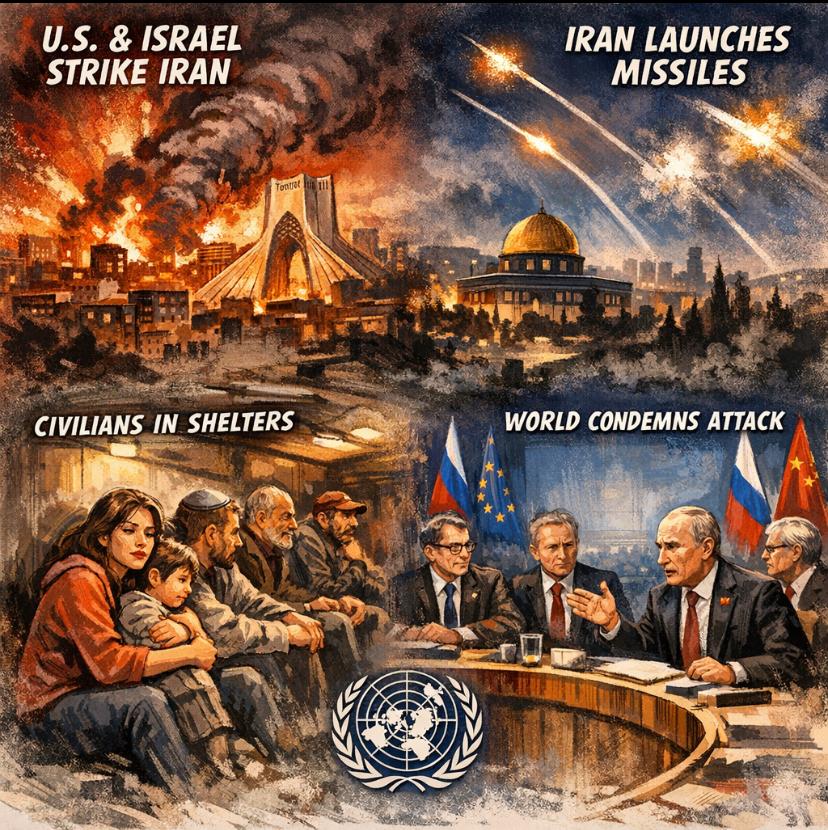
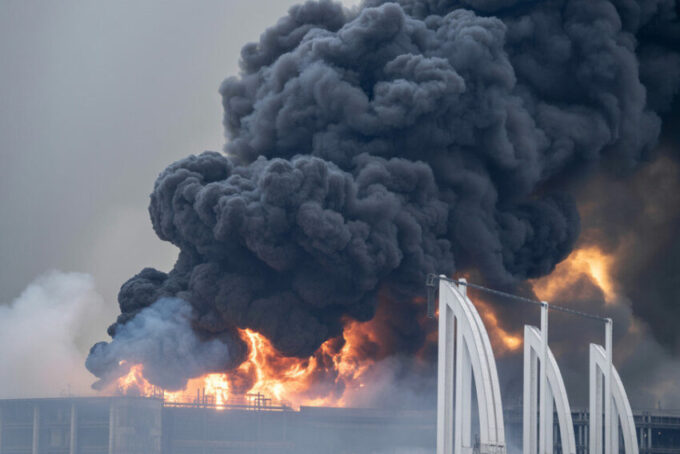
Tensions between Israel and Iran have once again placed the Middle East at the center of global anxiety, with the United States deeply involved both diplomatically and militarily. Statements attributed to Donald Trump describing Iran as a direct threat to American interests have intensified debate. His warnings toward Iranian military forces and institutions have been interpreted by supporters as a firm deterrent message and by critics as escalation rhetoric that leaves little room for de-escalation.
From the Iranian perspective, the situation is viewed through a lens of sovereignty and long-standing grievance. Leaders in Tehran argue that their military posture, including missile development and nuclear activity, is defensive in nature and shaped by decades of sanctions and isolation. Iranian officials frequently assert that external pressure has strengthened hardline positions domestically rather than weakening them. Many ordinary Iranians, while diverse in political views, share concerns about economic hardship caused by sanctions and fear that military confrontation would further devastate civilian life.
At the same time, Israeli leadership frames Iran’s regional influence and nuclear ambitions as existential threats. The government in Jerusalem maintains that preventing Iran from acquiring nuclear weapons capability is a matter of national survival. Israeli officials have also publicly encouraged Iranian citizens to seek political change, arguing that a different government in Tehran would open the door to international normalization. Critics, however, say such calls are perceived inside Iran as interference in internal affairs, reinforcing nationalist sentiment.
Washington’s strategy has long combined sanctions, military positioning, and negotiation. Supporters argue that the United States deploys forces abroad to protect allies and deter aggression, insisting that forward bases are part of a broader security architecture. Opponents contend that such deployments often entangle the U.S. in regional conflicts and contribute to cycles of instability. This divide shapes how observers interpret American involvement: either as stabilizing deterrence or as power politics under the banner of democracy promotion.
The wider international response remains mixed. Russia has consistently criticized military action against Iran and called for diplomatic solutions. Several European governments have urged restraint, emphasizing non-proliferation and negotiation rather than confrontation. Arab states, meanwhile, balance complex considerations — security ties with Washington, concern about Iranian influence, and domestic public opinion wary of war. Diplomatic language from the region often stresses de-escalation while quietly safeguarding national interests.
Canada’s alignment with U.S. and Israeli security concerns reflects its broader Western alliance commitments, particularly regarding nuclear non-proliferation. Canadian officials have expressed apprehension about the potential for nuclear weapons development in Iran, describing it as a threat to global stability. Yet even among Western allies, there are voices advocating renewed diplomacy over military escalation.
The central unresolved question is whether sustained sanctions and pressure achieve strategic objectives or deepen resistance. Iran has endured years of economic restrictions, shaping a society accustomed to external pressure. Some analysts argue that sanctions limit resources for military expansion; others believe they empower hardliners and diminish prospects for reform.
Fears of a wider regional war, even of a global confrontation, surface whenever rhetoric sharpens. Predictions of a third world war reflect genuine anxiety but remain speculative. International crises often appear irreversible in moments of peak tension, yet history shows that adversaries frequently return to negotiation when costs become too high.
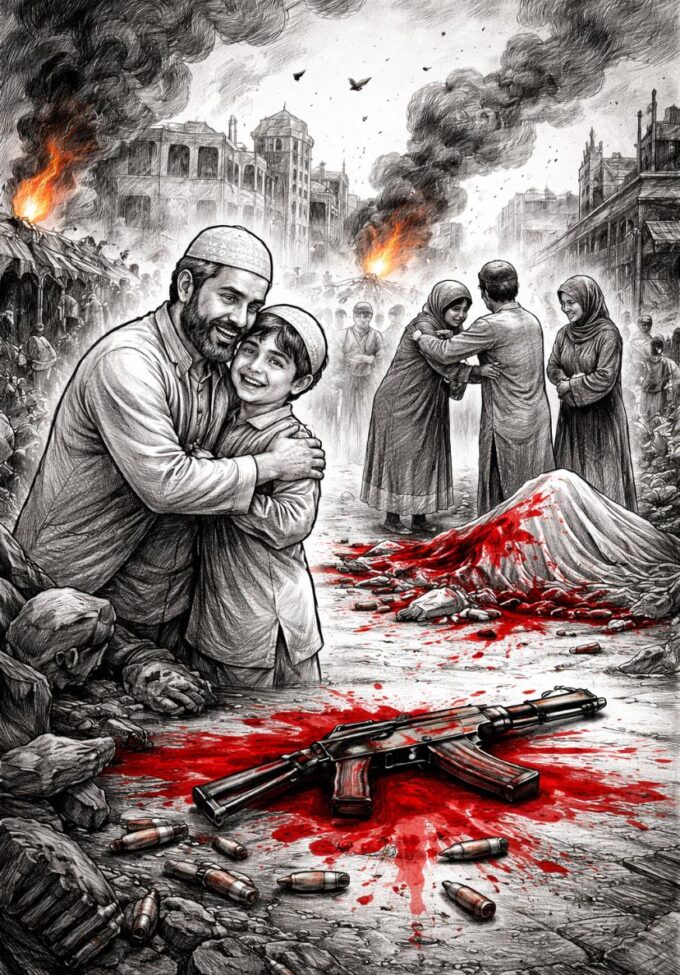
Beyond geopolitical strategy lies the human dimension. Civilians in Iran, Israel, and across the region would bear the brunt of any full-scale conflict. Economic disruption, displacement, and long-term instability would not respect borders. While governments calculate risks and project strength, ordinary families weigh survival and peace.
As the crisis unfolds, competing narratives continue to shape global opinion: security versus sovereignty, deterrence versus provocation, democracy promotion versus regime change. The path chosen by leaders in Washington, Jerusalem, and Tehran will determine whether the current confrontation becomes another chapter in prolonged rivalry or a turning point toward renewed diplomacy.
Post Disclaimer
The views and content presented in this article, news report, or video are solely those of the respective author or creator and do not necessarily reflect the official policy or position of BW Times Digital Online E-Paper.






Leave a comment