













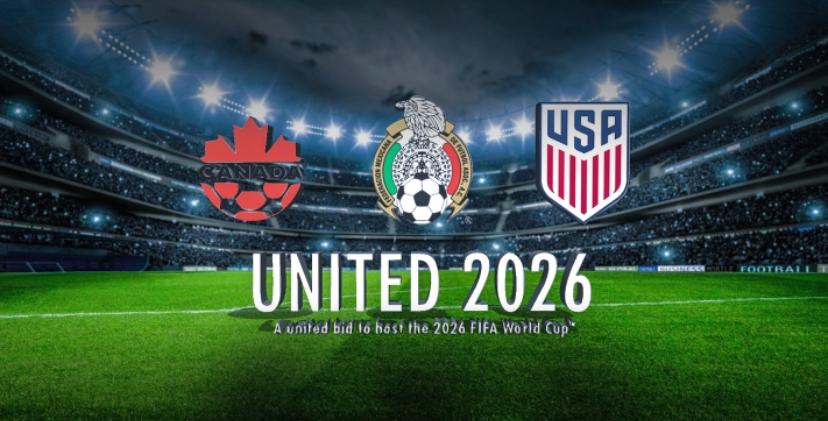
The countdown to the FIFA World Cup 2026 has already begun, with three host nations preparing to welcome the world to the biggest tournament in Soccer. For the first time in history, the event will be shared by the United States, Canada, and Mexico. The expanded 48-team format means more matches, more cities, and a broader global spotlight than ever before.
According to the official distribution, a total of 104 matches are scheduled in the tournament. The United States is set to host 78 matches, including the quarterfinals onward and the final. Canada will host 13 matches, while Mexico will also stage 13 matches, including the historic opening match at the iconic Estadio Azteca. Canadian cities such as Toronto and Vancouver are preparing to deliver world-class facilities, while several major American metropolitan areas are expected to handle the majority of the fixtures.
As preparations continue, security remains one of the most critical pillars of planning. Organizers under FIFA have repeatedly emphasized coordination with federal, provincial, and state authorities across all three nations. Large-scale sporting events naturally attract attention not only from fans but also from global security agencies tasked with protecting players, officials, journalists, and millions of spectators.
Concerns have been raised in some quarters about security conditions in parts of Mexico, particularly in regions historically affected by organized crime and cartel violence. While Mexican authorities continue operations against criminal networks, isolated clashes between security forces and armed groups have periodically made headlines in recent years. However, it is important to note that host cities selected for the World Cup are major urban centers with strong federal security presence and long experience hosting international events.
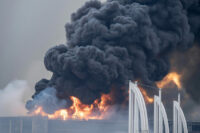
There have been reports of recent confrontations between Mexican security forces and cartel groups in certain areas of the country, followed by temporary unrest. In such situations, authorities typically respond with reinforced patrols, curfews in affected zones, and coordinated efforts to restore order. These incidents, while serious, have generally been localized rather than nationwide takeovers of cities. Federal and local governments have consistently stated that they remain committed to maintaining stability, particularly in high-profile host cities that will be under global scrutiny during the tournament.
Calls to shift all scheduled matches from Mexico to venues in the United States or Canada would represent a major logistical and diplomatic change. Stadium contracts, infrastructure investments, broadcasting arrangements, ticket allocations, and international agreements have been in place for years. Moving 13 matches would require renegotiation with host cities, adjustments to travel schedules for teams, and potential political consequences among the three partner nations.
From a logistical standpoint, both the United States and Canada have sufficient stadium capacity to absorb additional games if required. American venues alone already cover the majority of fixtures, and Canadian facilities are undergoing upgrades to meet tournament standards. Yet any decision to alter the schedule would depend on comprehensive security assessments rather than speculation. International sporting bodies typically rely on intelligence reports, on-the-ground evaluations, and cooperation with host governments before making such drastic changes.
Security experts argue that large events often lead to increased safety measures rather than heightened risk. Host cities deploy expanded police presence, surveillance systems, controlled fan zones, and secure team accommodations. International coordination among law enforcement agencies is standard practice during global tournaments.
As the world looks ahead to 2026, the focus remains on preparation and partnership. The three host nations have framed the tournament as a celebration of unity across North America. Whether concerns lead to adjustments or simply stronger safeguards, the ultimate responsibility rests with organizers and national authorities to ensure that players compete, journalists report, and fans celebrate in a secure environment.
The World Cup is more than a sporting competition; it is a symbol of international cooperation. With three nations sharing responsibility, the expectation is that security planning will match the scale of the event itself.

Post Disclaimer
The views and content presented in this article, news report, or video are solely those of the respective author or creator and do not necessarily reflect the official policy or position of BW Times Digital Online E-Paper.









Leave a comment