









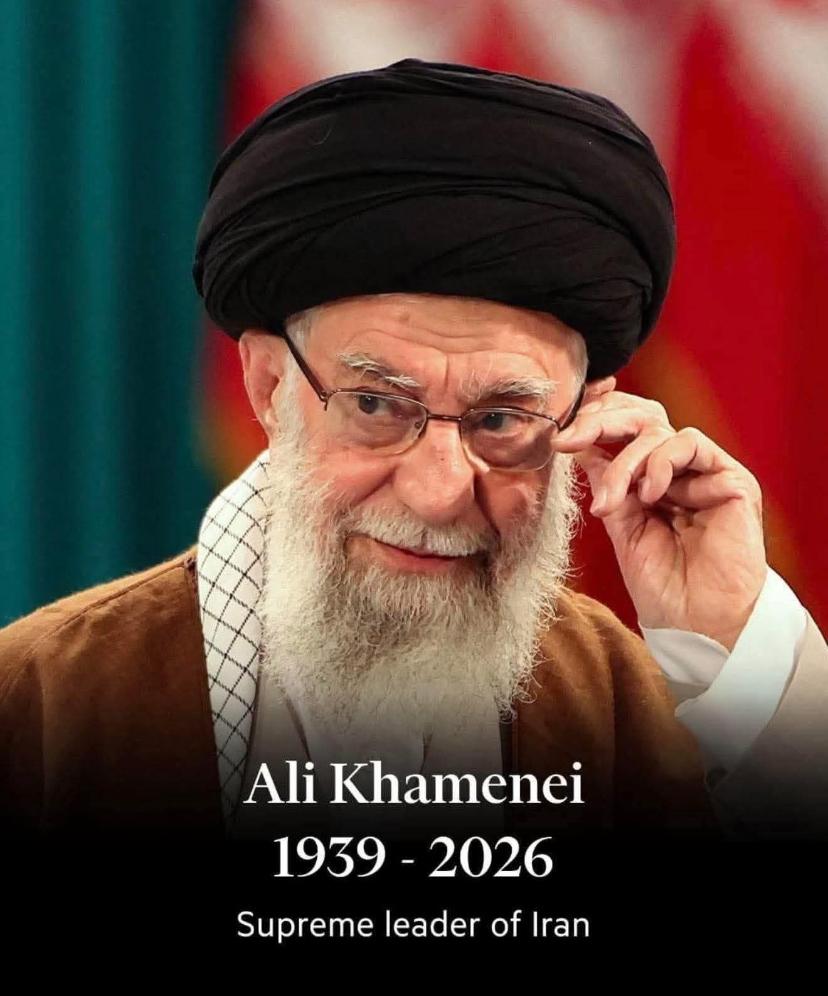
The reported killing of Iran’s Supreme Leader, Ali Khamenei, would represent one of the most consequential events in the modern history of the Islamic Republic. For the Iranian government, such an act would not only be seen as the loss of a political figure, but as a direct assault on the ideological and religious foundation of the state itself. In Tehran’s perspective, the Supreme Leader is not merely a head of state; he is the central authority in military, political, and spiritual affairs. His death under violent circumstances would be framed internally as martyrdom and externally as an act of aggression.
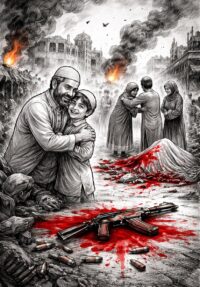
In the immediate aftermath, the Iranian government would likely move swiftly to control the narrative. State institutions, including the Islamic Revolutionary Guard Corps (IRGC), the judiciary, and national media outlets, would emphasize unity, resistance, and continuity. Public mourning ceremonies would be organized across major cities, especially in Tehran, Qom, and Mashhad, portraying the late leader as a symbol of steadfastness against foreign pressure. The concept of martyrdom has deep roots in Iran’s political culture, and officials would likely use it to reinforce national solidarity.
From a constitutional standpoint, Iran has a defined succession mechanism. The Assembly of Experts would be required to appoint a new Supreme Leader. During this transitional phase, a temporary leadership council could be formed to ensure stability. Iranian authorities would be highly focused on preventing internal unrest, maintaining security, and demonstrating that the system remains intact and functional despite the shock.
Diplomatically, Tehran’s tone would be firm and accusatory if it believed foreign actors were involved. Relations with the United States, already strained for decades, would likely deteriorate further. Any perception of American or Israeli involvement could lead to heightened tensions in the Persian Gulf, increased proxy activity in the region, or strategic responses designed to show deterrence without triggering full-scale war. Iranian officials often describe their approach as “strategic patience,” but in such a scenario, they might feel compelled to demonstrate strength.
Regarding Benjamin Netanyahu, who has long taken a hardline stance against Iran’s nuclear and regional policies, Iranian state rhetoric would likely portray him as central to what they describe as hostile strategies against the Islamic Republic. However, geopolitical realities are complex. While public statements may be confrontational, back-channel diplomacy and international mediation efforts could intensify behind the scenes to prevent uncontrolled escalation.
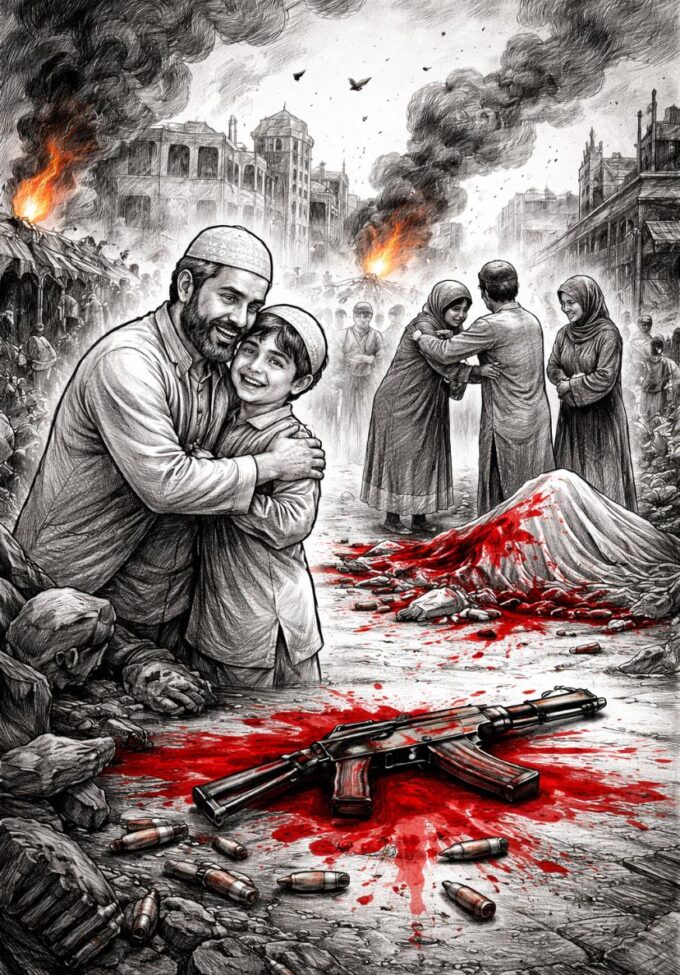
On the domestic front, Iranian leaders would also be aware of mixed reactions abroad, including social media celebrations in some quarters and deep sorrow in others. Governments around the world, whether Muslim-majority or not, would respond based on their strategic interests rather than public emotion. Many states would call for restraint, fearing regional instability that could disrupt energy markets and global security.
If the Iranian government believed itself under existential threat, it would likely strengthen alliances with countries such as Russia and China, while increasing coordination with regional partners in Iraq, Syria, Lebanon, and Yemen. At the same time, it would attempt to signal that any attack on its leadership does not weaken its institutional continuity.
The broader global situation would indeed become unpredictable. Markets could react sharply, oil prices might surge, and diplomatic channels would be tested. In moments like this, decisions made in hours can reshape years of policy. While rhetoric on all sides can be intense, the calculus of major powers often centers on avoiding a direct, large-scale war that could spiral beyond control.
Ultimately, from Tehran’s perspective, the killing of its Supreme Leader would be framed as a defining moment — one that demands unity at home and resilience abroad. How the international community responds would determine whether the crisis moves toward confrontation or cautious stabilization in an already fragile region.
Post Disclaimer
The views and content presented in this article, news report, or video are solely those of the respective author or creator and do not necessarily reflect the official policy or position of BW Times Digital Online E-Paper.




Leave a comment