




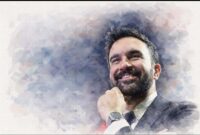





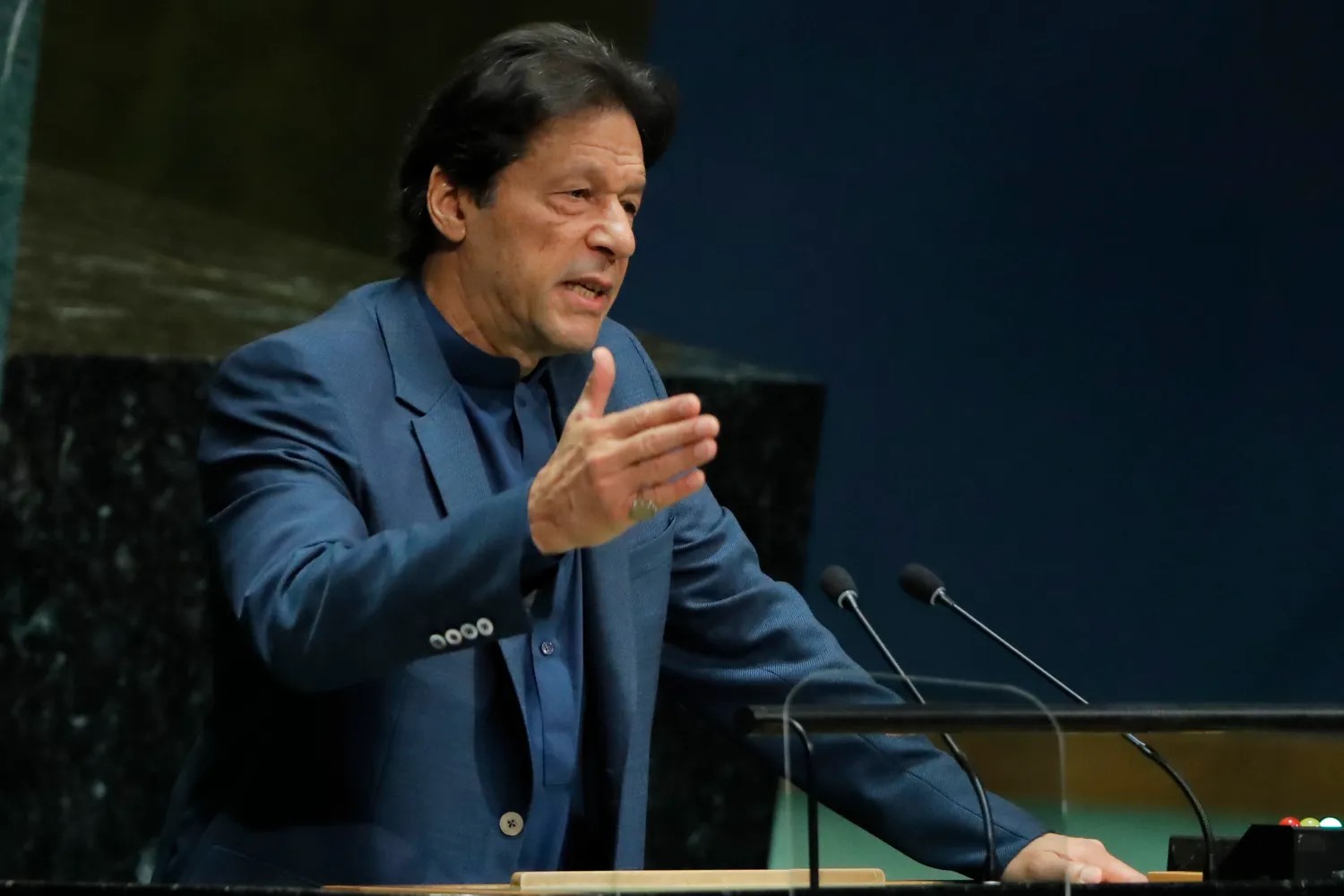
Former Prime Minister of Pakistan and the 1992 Cricket World Cup–winning captain Imran Khan is once again at the center of national debate, this time not over politics or court proceedings, but over serious concerns regarding his health. In a report presented before the Supreme Court by Salman Sadiq, alarming claims were made about the condition of Imran Khan’s eye. According to the submission described in court, his affected eye has reportedly lost 99.99 percent of its vision, and there were observations that water was continuously flowing from the eye, suggesting possible deterioration or complications related to a previous injury.
These claims, if accurate, indicate a major and possibly irreversible medical setback. Imran Khan has in the past spoken publicly about sustaining an eye injury during a political rally accident years ago, which had already impacted his vision. However, the latest assertions suggest that the situation may have significantly worsened. The mention of near-total vision loss in one eye has triggered concern among supporters, medical observers, and political analysts alike. A loss of this magnitude is not only a personal health crisis but could also affect his ability to actively engage in legal battles and political strategy at a time when his party faces immense pressure.
Despite the gravity of the claims, the reaction from the leadership of Pakistan Tehreek-e-Insaf (PTI) has appeared restrained. There has been no large-scale, organized protest or unified national response specifically focused on his reported medical condition. This silence has raised uncomfortable questions among party workers and sympathizers. Some are asking whether the leadership is facing internal constraints, political pressure, or strategic limitations. Others speculate whether a form of compromise or back-channel negotiation is influencing the tone of public reaction. So far, no clear explanation has been offered to address this perceived gap between the seriousness of the claims and the level of political mobilization.
Beyond Pakistan’s borders, another layer of discussion is unfolding within overseas Pakistani communities. Imran Khan continues to command significant emotional and symbolic support abroad. Fundraisers, campaigns, merchandise, and events organized in his name are common in various countries. However, critics argue that while his name generates financial and political capital for some individuals and groups, visible and sustained collective action for his health and legal rights appears limited. This has fueled debate about accountability and sincerity within segments of the diaspora network that publicly identify with his cause.
In political discourse, some voices have framed the situation in the context of rivalry with Maryam Nawaz and other figures within the ruling establishment. There are allegations circulating in partisan circles suggesting that what is happening to Imran Khan — including alleged restrictions, legal pressures, and concerns about medical treatment — may be driven by political vendetta. Comparisons have been drawn by his supporters to historical narratives of revenge and retribution, with emotionally charged language being used in speeches and social media commentary. However, concrete evidence directly linking specific individuals to deliberate medical neglect or targeted harm has not been formally established in court proceedings. These accusations remain part of a broader political narrative shaped by deep polarization in the country.
The larger question emerging from this episode is why such a serious health claim has not resulted in transparent medical briefings. In high-profile cases involving national leaders, it is customary in many democracies to release certified medical updates to prevent speculation. The absence of detailed, independently verified medical reports has created a vacuum filled by rumor, suspicion, and political messaging.
Imran Khan’s political career has been defined by resilience — from leading Pakistan to a historic World Cup victory in 1992 to navigating years of opposition politics and eventually serving as prime minister. His image has long been tied to strength, endurance, and defiance. Any confirmed long-term medical impairment would therefore carry symbolic weight beyond the physical condition itself. It would affect party morale, succession debates, and the broader trajectory of opposition politics in Pakistan.
At this stage, the claims presented about his eye condition remain deeply concerning but politically charged. The coming days will likely determine whether independent medical clarity is provided and whether PTI leadership chooses to escalate the issue publicly. Until then, the situation stands at the intersection of health, politics, and public perception — a reminder that in Pakistan’s highly polarized environment, even matters of medical concern quickly become part of a much larger national narrative.
Post Disclaimer
The views and content presented in this article, news report, or video are solely those of the respective author or creator and do not necessarily reflect the official policy or position of BW Times Digital Online E-Paper.





Leave a comment