















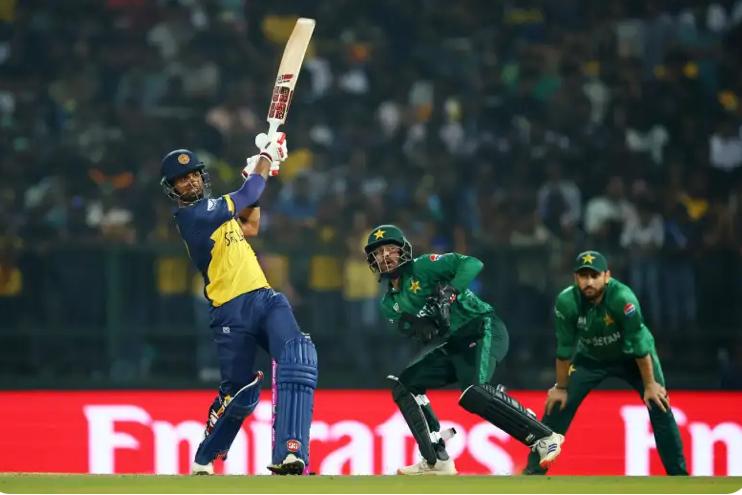
Pakistan walked off the field with a five-run victory, but the scoreboard could not hide the deeper truth — this campaign had already slipped beyond control long before the final ball in Kandy was bowled. Winning the last match was only a mathematical consolation; the damage had been done earlier in the tournament.
From a cricketing perspective, the reasons are layered and uncomfortable.
The batting unit, despite producing a century and an explosive partnership in this final outing, lacked consistency throughout the tournament. There were matches where the top order collapsed under modest pressure, leaving the middle order exposed too early. In modern T20 cricket, momentum in the powerplay defines the direction of the innings, and Pakistan repeatedly failed to dominate that phase in previous games. Dot-ball pressure mounted, strike rotation was poor, and the finishing overs were left with too much to repair.
Bowling, traditionally Pakistan’s strength, also fluctuated. While individual spells were impressive, execution at the death overs in earlier defeats proved costly. Full tosses, predictable slower balls, and defensive field placements allowed opponents to escape tight situations. In T20 cricket, small margins decide qualification — one bad over can undo 19 disciplined ones.
Selection decisions are now under heavy scrutiny. Questions are being raised about squad balance:
• Why were certain in-form domestic performers overlooked?
• Why was the combination altered frequently instead of backing a settled XI?
• Why did team management persist with out-of-form players while bench strength remained unused?
Critics argue that favoritism and internal preferences — often described publicly as nepotism — continue to cast shadows over selection processes. When merit is questioned, dressing-room confidence inevitably suffers. A World Cup is not the stage for experimentation; it demands clarity and courage in choices.
Tactically, leadership also comes into focus. Field settings in crunch moments appeared reactive rather than proactive. Bowling changes sometimes arrived one over too late. Against stronger opposition earlier in the group stage, Pakistan seemed hesitant instead of assertive — a mindset issue that cannot be ignored.
Responsibility does not lie with one player alone. It stretches upward.
The team management must answer for preparation gaps.
Selectors must explain the balance and omissions.
And ultimately, the Pakistan Cricket Board carries structural responsibility — from long-term planning to domestic system alignment. A national side reflects the direction of its board. If planning is short-term, results become short-lived.
What hurts supporters most is not elimination itself, but the pattern. The talent pool in Pakistan is vast. The skill exists. Yet repeated inconsistency suggests deeper administrative and strategic flaws rather than a shortage of ability.
The five-run win against Sri Lanka showed what this team is capable of when rhythm, confidence, and clarity align. But tournaments are not decided in isolated performances — they are defined by sustained execution.
Pakistan are out, not because of one match, but because of accumulated missteps. Until accountability becomes transparent and merit dominates selection, similar heartbreak may continue to revisit major tournaments.
Post Disclaimer
The views and content presented in this article, news report, or video are solely those of the respective author or creator and do not necessarily reflect the official policy or position of BW Times Digital Online E-Paper.










Leave a comment