







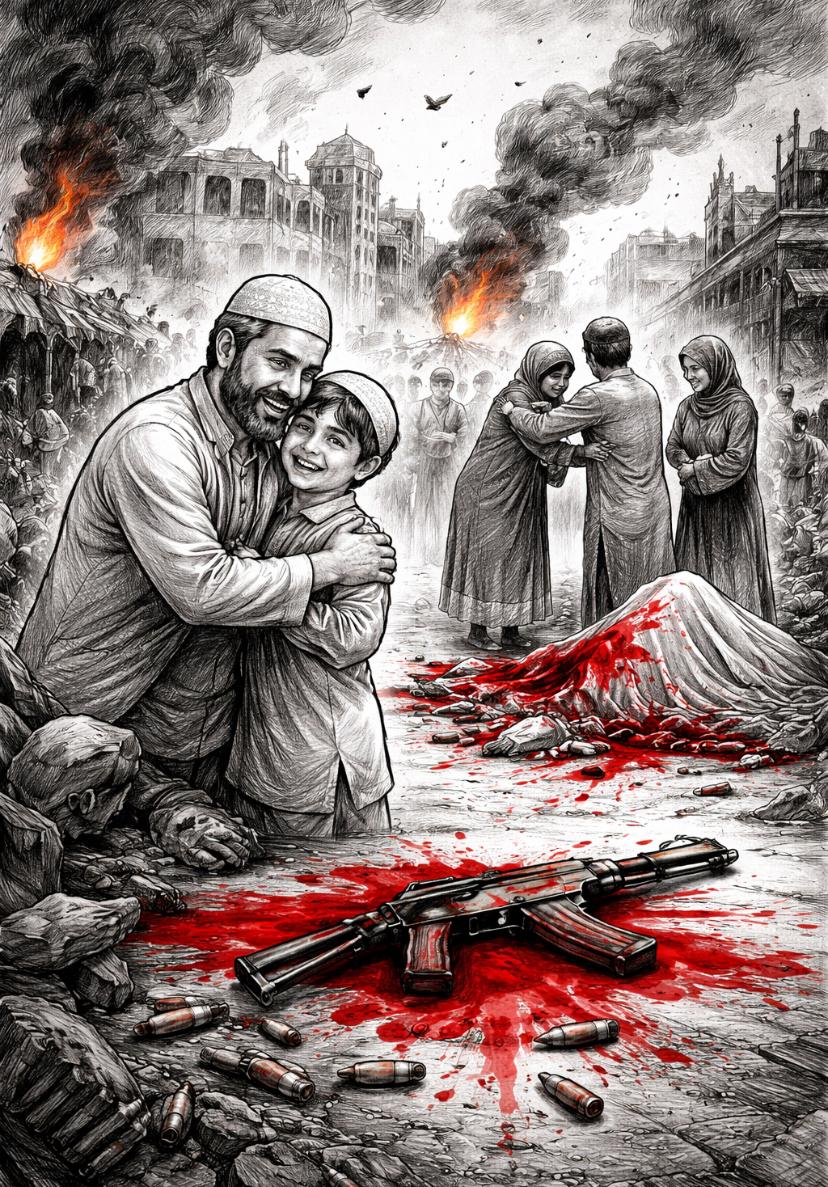
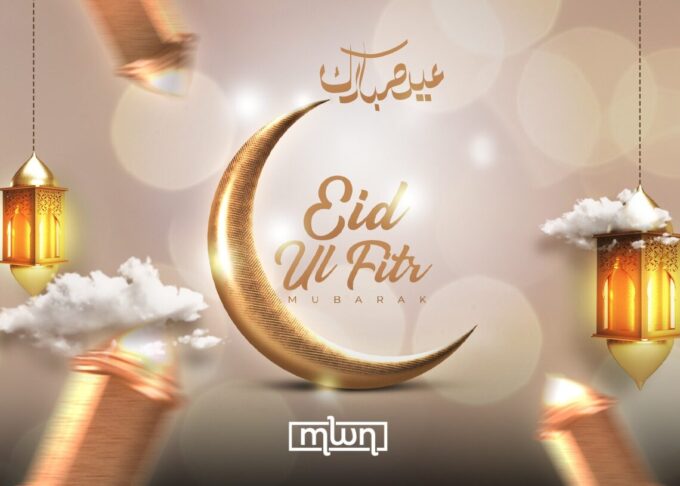
Eid ul Fitar arrives with the sighting of the moon, bringing a powerful sense of joy, unity, and spiritual renewal to millions of Muslims around the world. On this Friday, families prepare for prayers, gatherings, and celebrations that mark the end of Ramadan. It is a moment that is meant to unite people across borders, cultures, and languages under one shared feeling of gratitude and peace. Yet, as this blessed occasion begins, a stark and uncomfortable reality stands alongside it. While the sky reflects unity through one moon, the ground across many Muslim countries reflects division, conflict, and political tension.
It is important to look at these situations realistically, without exaggeration or placing blame entirely on one side. Many of the conflicts we see today are not caused by a single country alone but are the result of long standing disputes, security concerns, regional rivalries, and internal struggles within nations.
For example, tensions between Pakistan and Afghanistan are rooted in border security issues, militancy concerns, and political mistrust. Both countries have, at different times, blamed each other for instability, and the people living near the border continue to suffer the consequences. Trade disruptions, fear, and uncertainty affect daily life, especially during important times like Eid.
In the Middle East, the role of Iran is often at the center of regional discussions. Iran has influence in countries like Iraq, Syria, and Lebanon, which raises concerns among other regional powers. At the same time, Iran itself faces pressure and opposition from countries such as United States and regional rivals including Saudi Arabia and United Arab Emirates. This shows that the situation is not one sided. It is a cycle of influence, reaction, and competition where each side acts based on its own interests.
In Yemen, the conflict continues as different groups, supported by external powers, struggle for control. The result is one of the world’s most serious humanitarian crises. In Syria, years of war involving multiple regional and global actors have left the country deeply affected, with millions displaced and cities damaged.
In Africa, Sudan is currently experiencing internal conflict between rival forces competing for power. This has created widespread suffering for civilians. Similarly, Somalia continues to face security challenges, while countries in the Sahel region such as Mali, Niger, and Burkina Faso deal with instability and insurgency.
The situation in Palestine remains one of the most sensitive and long standing conflicts, affecting generations and shaping political discussions across the Muslim world.
At a global level, conflicts outside the Muslim world also have an impact. The war between Russia and Ukraine has influenced global energy prices, food supply, and international relations. Western countries such as United States, United Kingdom, France, and Germany are involved in supporting Ukraine, which adds to global political tension and indirectly affects many developing nations.
When discussing Arab countries, it is important to remain balanced and realistic. Countries like Saudi Arabia, United Arab Emirates, Qatar, Kuwait, Bahrain, Oman, Jordan, and Egypt are not directly at war with each other. Instead, they are part of a complex system of alliances, diplomacy, and sometimes competition. Some play roles in mediation, while others focus on regional security and economic stability.
One of the most visible realities during Eid is the gap between leadership and ordinary people. Governments and elite classes often celebrate in comfort, while many citizens struggle with economic hardship, inflation, and lack of opportunities. In conflict areas, the situation is far worse, with people facing displacement, insecurity, and loss.
In Western countries such as Canada, United States, United Kingdom, Germany, and France, Muslim communities celebrate Eid in peace and stability. However, they remain connected to the struggles of their home countries, often supporting families and staying informed about ongoing conflicts.
The reality is that the Muslim world today is facing multiple challenges at the same time. Some are internal conflicts, some are regional rivalries, and others are connected to global politics. It is not accurate to blame only one country, whether it is Iran or any other. At the same time, it is clear that political competition, power struggles, and lack of cooperation continue to create divisions.
Eid ul Fitr is a reminder of unity, compassion, and justice. While the political situation remains complex, the values of this occasion encourage reflection and responsibility. The hope is that one day, the unity symbolized by Eid will not only be seen in celebrations but also reflected in the realities of life across all Muslim countries.
Post Disclaimer
The views and content presented in this article, news report, or video are solely those of the respective author or creator and do not necessarily reflect the official policy or position of BW Times Digital Online E-Paper.





Leave a comment