












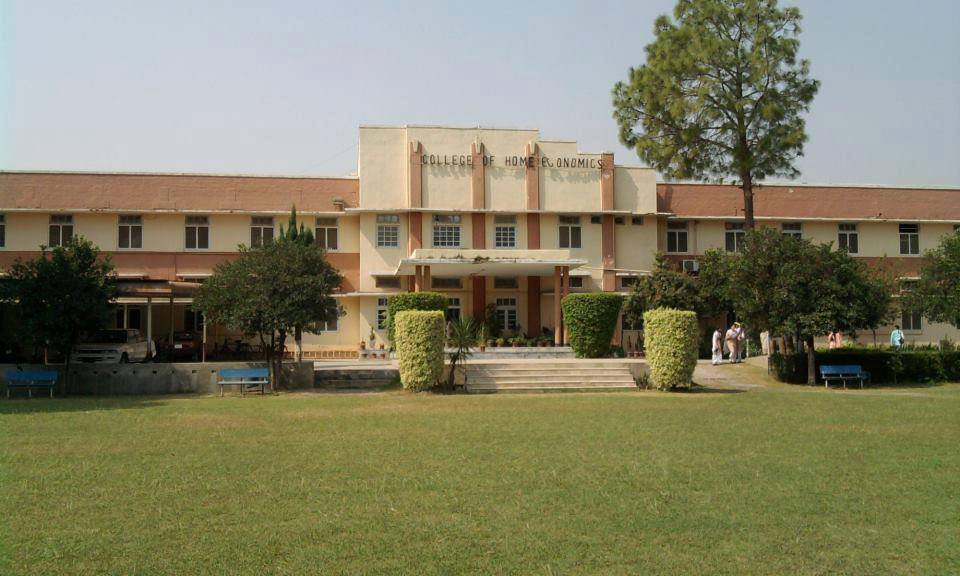
The College of Home Economics Peshawar is one of the oldest and most respected institutions for women’s education in Pakistan. Situated inside the historic campus of the University of Peshawar, the college has played a significant role in the academic and professional development of women in Khyber Pakhtunkhwa. Since its establishment in the mid-twentieth century, the institution has educated thousands of female students and helped them become teachers, researchers, designers, nutritionists, and entrepreneurs.
The history of the college reflects the broader story of women’s education in Pakistan. When the institution was founded, opportunities for higher education among women in the region were limited. Over time, however, the college became a symbol of progress, knowledge, and social change.
Establishment of the Department (1954)
The beginning of Home Economics education in Peshawar dates back to 1954, when the University of Peshawar created a small Department of Home Economics. The purpose of the department was to introduce scientific knowledge related to family life, nutrition, child development, and household management.
At that time, the department started with only a few teachers and a small group of female students. The classrooms and laboratories were modest, but the vision behind the institution was ambitious. Educators believed that women could contribute greatly to society if they were given professional education and practical skills.
During the early years, the department focused on teaching basic subjects such as:
- Nutrition and food science
- Textile and clothing studies
- Home management
- Child development
- Family health and welfare
These subjects were taught through both theoretical lectures and practical training.
Transformation into a College (1963)
As the number of students increased, the university administration decided to expand the department. In 1963, the department was officially upgraded into the College of Home Economics. This transformation allowed the institution to develop new facilities, laboratories, and classrooms.
A separate building was constructed within the university campus specifically for the college. The building included specialized spaces for textile design, cooking laboratories, and research rooms where students could perform practical work.
The establishment of a separate college also increased the number of faculty members and allowed the institution to introduce advanced academic programs.
Academic Growth and Expansion
During the 1970s and 1980s, the college experienced significant growth. Student enrollment increased each year as families in Khyber Pakhtunkhwa began to recognize the importance of women’s higher education.
Several new academic departments were introduced during this period. These included:
- Textile and Fashion Design
- Interior Design and Environmental Planning
- Human Development and Family Studies
- Food and Nutrition Sciences
The curriculum gradually evolved to include modern scientific research and practical professional training. Students were encouraged to develop skills that could help them pursue careers outside the traditional household environment.
Role in Women’s Education
The College of Home Economics played an important role in transforming social attitudes toward women’s education in the province. Many families who previously hesitated to send their daughters to university began to support higher education after the success of the institution became widely known.
Graduates of the college began working in various fields including:
- Teaching and academic research
- Nutrition and dietetics
- Fashion and textile industries
- Interior design and architecture support
- Social welfare organizations
These achievements encouraged more young women to pursue higher education.
Development of Higher Degree Programs
During the 1990s and early 2000s, the college expanded its academic structure and introduced postgraduate programs. These included master’s level studies and advanced research degrees.
The introduction of MPhil and doctoral-level research allowed students to conduct academic studies in areas such as nutrition science, textile innovation, child psychology, and community development.
Research projects conducted by students and faculty members addressed issues such as:
- Public health and nutrition awareness
- Family counseling and child development
- Women entrepreneurship
- Textile design innovation
Number of Students and Graduates
Over the decades the college has grown significantly in size and capacity. Today the institution enrolls several hundred students every year in undergraduate and postgraduate programs.
On average, around 250 to 300 students graduate from the college annually in different disciplines of home economics. These graduates receive degrees in fields such as fashion design, nutrition, interior design, and human development.
Since the institution was established more than seventy years ago, it is estimated that many thousands of women have graduated from the College of Home Economics Peshawar.
Famous Alumni and Professional Achievements
Although many graduates prefer professional careers rather than public fame, the college has produced several notable personalities who have made important contributions to society.
Some graduates have become:
- University professors and researchers
- School and college principals
- Fashion designers and textile entrepreneurs
- Nutrition specialists and health consultants
- Social workers and community leaders
Many alumni have also established successful businesses, especially in fashion design and clothing production. Boutique fashion houses and interior design studios run by graduates of home economics programs can be found in several Pakistani cities.
Community Services and Social Impact
Apart from academic education, the college has also been active in community service and social development programs. Students regularly participate in activities aimed at improving public awareness about nutrition, health, and family welfare.
Workshops and seminars are organized to educate communities about:
- Healthy food and balanced diets
- Child health and development
- Women’s financial independence
- Family counseling and social wellbeing
Through these initiatives, the college continues to contribute not only to education but also to the improvement of society.
Modern Facilities and Current Status
In recent years, the college has modernized its facilities to meet contemporary academic standards. New laboratories, computer centers, and design studios have been developed to support modern teaching methods.
Students now learn advanced software for fashion design, digital textile printing techniques, and scientific methods of nutrition research. These developments help graduates compete in professional industries both within Pakistan and internationally.
Conclusion
The College of Home Economics Peshawar stands today as a historic institution that has shaped the educational landscape of Khyber Pakhtunkhwa. From its humble beginnings in 1954 as a small department to its current status as a major academic college, the institution has continuously expanded its mission of educating women and empowering them with professional skills.
Over the course of more than seven decades, the college has produced thousands of graduates who have contributed to education, business, health, and social development. Its legacy is not only measured by the number of degrees awarded but also by the positive impact its graduates have made in their communities.
The story of the College of Home Economics Peshawar is therefore a story of progress, empowerment, and the growing importance of women’s education in Pakistan. 📚
Written By uzma parween
Post Disclaimer
The views and content presented in this article, news report, or video are solely those of the respective author or creator and do not necessarily reflect the official policy or position of BW Times Digital Online E-Paper.






Leave a comment