














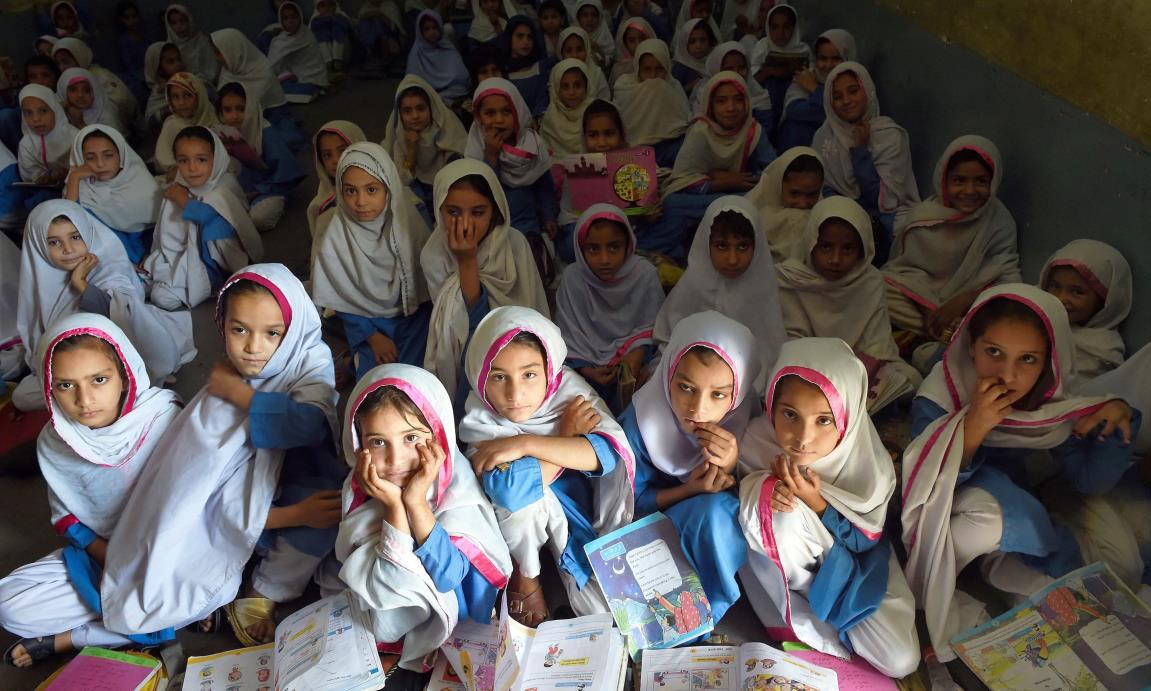
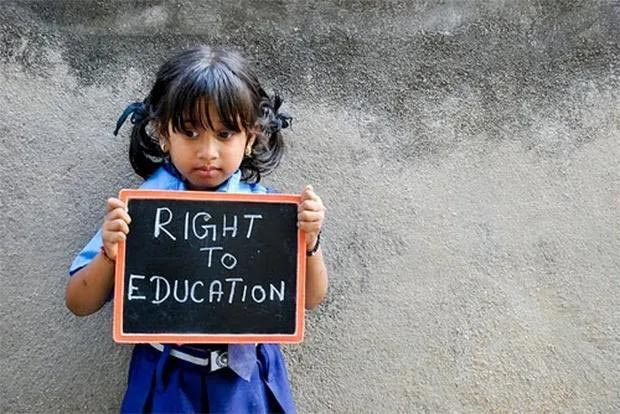
Pakistan’s education system plays a crucial role in shaping the future of the
country. Education is not only a means of personal growth but also a key factor in
national development and social stability. Every year, thousands of students
graduate from schools, colleges, and universities with the hope of contributing
positively to the progress of Pakistan. These students aspire to become doctors,
engineers, teachers, scientists, and responsible citizens. However, despite its
importance, the education system of Pakistan faces several serious challenges
that hinder progress and limit opportunities for learners across the country.
One of the major problems is the lack of equal access to education. In many rural
and underdeveloped areas, schools are either unavailable or poorly equipped.
Many educational institutions lack basic facilities such as proper classrooms,
furniture, electricity, clean drinking water, and sanitation. The shortage of trained
and qualified teachers further worsens the situation. In some regions, one
teacher is responsible for teaching multiple subjects and classes, which affects
the quality of education. Overcrowded classrooms and limited learning resources
make it difficult for students to receive individual attention. As a result, literacy
rates remain low, and many children drop out before completing their basic
schooling.
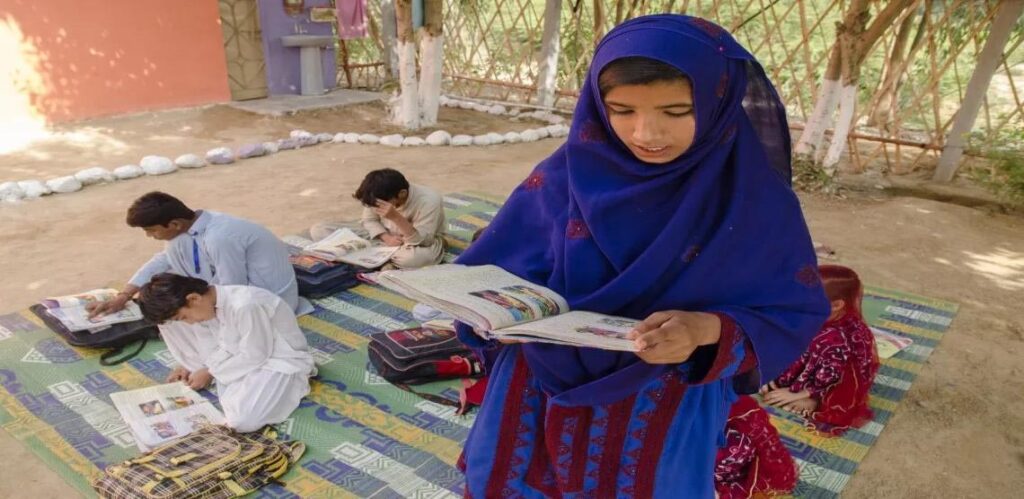
Another significant issue is the outdated curriculum followed in many educational
institutions. Much of the content focuses on rote learning and memorization
rather than understanding concepts, developing creativity, and improving critical
thinking skills. Students are often encouraged to reproduce textbook answers in
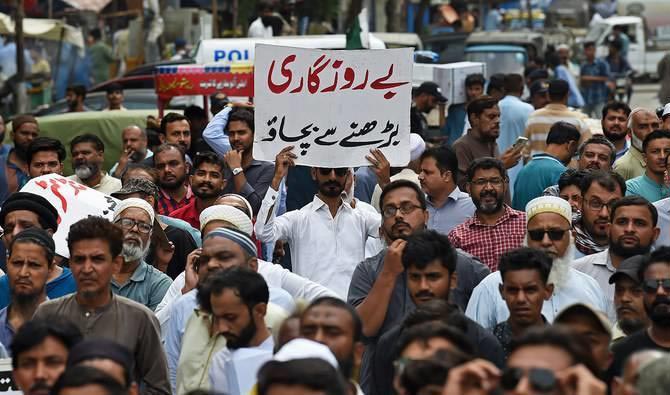
examinations instead of applying knowledge in real-life situations. This gap
between education and modern job market requirements leads to unemployment
among educated youth, as many graduates lack technical, professional, and
communication skills demanded by employers in today’s competitive world.
In addition to an outdated curriculum, the examination system of Pakistan also
presents a major challenge. Most examinations focus on written tests that assess
students’ memory rather than their understanding, creativity, or problem-solving
abilities. Students are encouraged to memorize answers instead of developing
analytical thinking and practical skills. This examination-oriented approach
creates stress among learners and fails to identify true talent. As a result, many
students perform well in exams but struggle to apply their knowledge in realworld situations or professional environments.
Economic challenges also have a strong impact on education in Pakistan.
Poverty forces many families to prioritize earning over learning, especially in lowincome households. Children from poor families are often compelled to work at
an early age to support their families financially. Child labor remains a serious
issue that prevents children from attending school regularly. Early marriages,
particularly for girls, also interrupt education and limit future opportunities. These
factors not only affect individuals but also slow national development by reducing
the number of skilled and educated citizens.
Moreover, insufficient government funding and weak implementation of education
policies worsen the situation. Although several reforms and policies have been
introduced to improve education, lack of proper monitoring and accountability
limits their effectiveness. A small percentage of the national budget is allocated
to education, which results in poorly maintained schools, outdated teaching
materials, and limited teacher training programs. Without proper investment,
strong leadership, and long-term planning, meaningful improvement in the
education system remains slow.
Another growing challenge is rapid population growth, which places immense
pressure on educational resources. The increasing number of students leads to
overcrowded classrooms and shortage of schools and teachers. This makes it
difficult to provide quality education to every child and reduces the overall
effectiveness of teaching and learning.
Another important challenge is the lack of focus on technical, vocational, and
skill-based education in Pakistan. While traditional academic subjects like
science, mathematics, and literature receive most attention, practical skills that
are highly demanded in the modern job market are often neglected. Fields such
as information technology, healthcare, engineering, agriculture, and
craftsmanship require specialized training, but many students do not have
access to vocational institutes or technical programs. This creates a gap between
education and employment opportunities, leaving many young people
unprepared for professional careers and reducing the overall productivity of the
nation.
In conclusion, the challenges faced by Pakistan’s education system require
urgent attention and serious action. Issues such as unequal access to education,
outdated curriculum, poverty, unemployment, population growth, and weak
governance must be addressed collectively. By improving infrastructure, updating
curricula, training teachers, increasing funding, and ensuring equal educational
opportunities for all, Pakistan can build a stronger and more effective education
system. A well-educated population is essential for the country’s economic
growth, social stability, and sustainable future.
Post Disclaimer
The views and content presented in this article, news report, or video are solely those of the respective author or creator and do not necessarily reflect the official policy or position of BW Times Digital Online E-Paper.








Leave a comment