














Calgary, AB — A major water main rupture in northwest Calgary continues to ripple across the city, straining small businesses, disrupting traffic and prompting urgent calls from city leaders for residents to drastically cut water use.
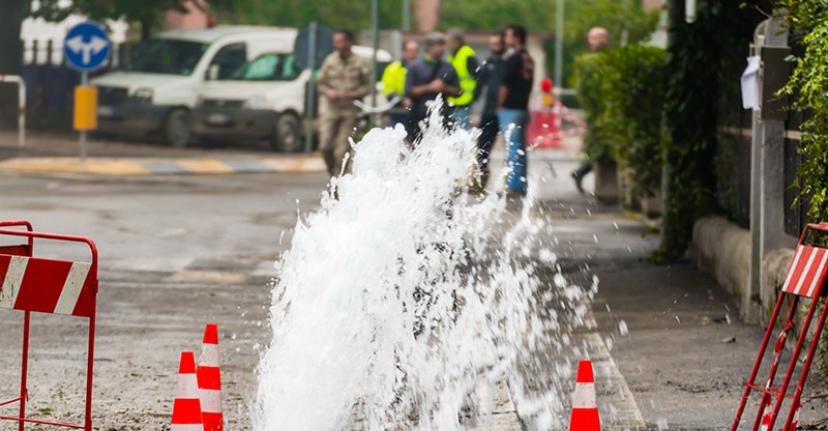
The break occurred late Dec. 30 along 16 Avenue N.W., flooding roadways and forcing emergency crews to rescue stranded motorists. The damaged pipe is part of the Bearspaw South Feeder Main, a critical line that supplies approximately 60 per cent of Calgary’s drinking water.
Businesses Feel the Impact
Local business owners say the rupture couldn’t have come at a worse time. Restaurants and cafés in nearby communities were forced to rely on bottled or boiled water while navigating road closures and declining customer traffic.
Montgomery restaurant owner Saud Abbasi said the disruption cost his business thousands of dollars during the busy New Year’s Eve period. “We lost one of our biggest nights of the year,” he said, noting the additional cost of purchasing potable water has added financial strain.
Other businesses in the area report similar losses, citing accessibility challenges, reduced foot traffic and uncertainty about how long restrictions may last.
City Calls for Immediate Conservation
City officials warn Calgary’s water usage remains above sustainable levels, even as repairs near completion. Residents are being urged to keep daily consumption below 485 million litres to protect reservoirs and ensure enough supply for firefighting and essential services.
Calgarians are asked to shorten showers, reduce toilet flushing and only run dishwashers and washing machines when full. Outdoor water use remains prohibited.
Mayor Promises Infrastructure Review
Mayor Jeromy Farkas acknowledged the seriousness of the situation, pointing out this is the second major failure of the feeder main in recent years. He said the city will fast-track an independent engineering review of Calgary’s water infrastructure.
“This pipe is a ticking time bomb,” Farkas said, adding that long-term investment is necessary to prevent future emergencies.
While the damaged section has been replaced, officials say the system must be refilled slowly and tested — a process that carries the risk of additional breaks. Water restrictions will remain in place until stability is confirmed.
Post Disclaimer
The views and content presented in this article, news report, or video are solely those of the respective author or creator and do not necessarily reflect the official policy or position of BW Times Digital Online E-Paper.










Leave a comment