















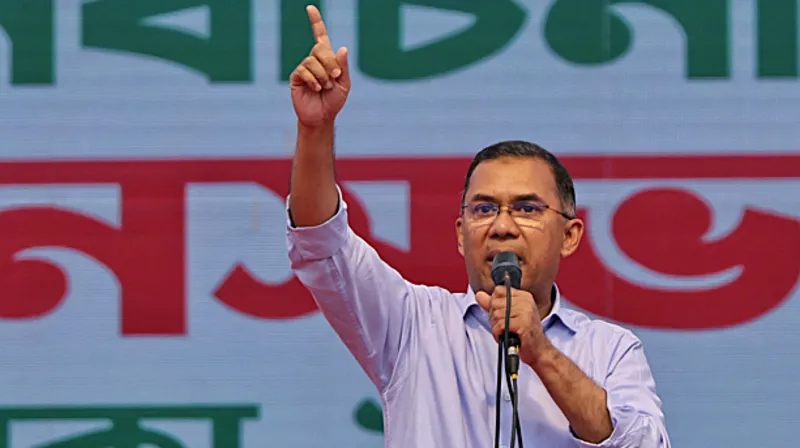
Bangladesh Nationalist Party Sweeps to Victory in Historic Election
The Bangladesh Nationalist Party (BNP) has secured a decisive landslide victory in Bangladesh’s first general election since the 2024 Gen Z-led uprising that removed former prime minister Sheikh Hasina from power.
The centre-right party won more than two-thirds of parliamentary seats, according to official results, positioning BNP leader Tarique Rahman to become the country’s next prime minister. The election marks a dramatic political shift following 15 years of Hasina’s rule, widely criticized by opponents as authoritarian.
A Historic Vote After Political Upheaval
The vote was held 18 months after mass youth-led protests — often referred to as the Gen Z uprising — forced Hasina from office. Her party, the Awami League, was banned from contesting the election.
The country’s main Islamist party, Jamaat-e-Islami, finished second, securing 77 seats as part of its alliance. Voter turnout was reported at 59.44%.
Rahman, who spent 17 years in self-imposed exile in London, returned to Bangladesh shortly before the death of his mother, former prime minister Khaleda Zia, in December. His victory represents a significant political comeback and his first time serving as a member of parliament.
“I am grateful for the love you have shown me,” Rahman told supporters in Dhaka, urging them to avoid street celebrations and instead attend prayers in memory of his mother.
Major Challenges Ahead
Rahman now faces the enormous task of stabilizing Bangladesh’s economy, tackling rising food prices, and creating jobs for the country’s large youth population. Restoring democratic institutions and public trust will also be key priorities after years of political unrest.
A referendum held alongside the election approved sweeping constitutional reforms, including potential term limits for future prime ministers, stronger judicial independence, and expanded presidential powers.
Repairing diplomatic relations with neighbouring India is also expected to be high on the new government’s agenda. Within hours of the result, Indian Prime Minister Narendra Modi congratulated Rahman on his “remarkable victory” and reaffirmed India’s commitment to bilateral ties.
Concerns and Criticism
While many voters celebrated the return to competitive elections, questions have been raised about the absence of the Awami League from the ballot and allegations of voting irregularities between rival parties.
Additionally, both the BNP and Jamaat have faced criticism over the low number of female candidates. Despite promises of broader representation, only a small number of women were elected, highlighting ongoing challenges in gender equality in Bangladeshi politics.
For many young voters who helped drive the 2024 protests, the election represents both hope and uncertainty. While some remain cautious about whether the BNP can deliver on its promises, others see the vote as a long-awaited opportunity to rebuild democratic governance.
As Bangladesh enters a new political chapter, the focus now shifts to whether the incoming government can translate its landslide mandate into meaningful reform and economic recovery.
Source: bbc
Post Disclaimer
The views and content presented in this article, news report, or video are solely those of the respective author or creator and do not necessarily reflect the official policy or position of BW Times Digital Online E-Paper.










Leave a comment