
















The 2026 ceremony of the British Academy of Film and Television Arts unfolded in London at the Royal Festival Hall, where filmmakers, actors and craftspeople gathered for one of the most closely watched nights in the awards calendar. The evening carried a mixture of expectation and unpredictability, with several strong contenders arriving with momentum but no single production guaranteed to dominate.
By the end of the night, the clear leader was One Battle After Another, an ambitious drama that secured Best Film and Best Director for Paul Thomas Anderson. The film’s sweep extended into adapted screenplay, cinematography and editing, confirming broad support across both creative and technical branches of the academy. Its ensemble strength was reinforced when Sean Penn collected the supporting actor award, giving the production six wins in total and positioning it as one of the defining films of the year.
The leading actor race delivered one of the ceremony’s most striking moments. Robert Aramayo was named Best Leading Actor for his work in I Swear, a performance built around emotional restraint and psychological intensity. Competing in a field that included internationally established stars, his victory signaled the academy’s willingness to elevate nuanced character work over celebrity weight. He also received the Rising Star recognition, marking a breakthrough year that may redefine his career trajectory.
In the leading actress category, Jessie Buckley was honoured for her portrayal in Hamnet, a film that also won Outstanding British Film. Her performance, layered with grief and resilience, stood at the emotional centre of the production and was widely regarded as one of the most accomplished of the season. The recognition reinforced her standing as one of the most versatile performers working today.
The supporting actress prize went to Wunmi Mosaku for her role in Sinners, a film that blended genre storytelling with social undercurrents. In addition to her win, the film claimed awards for original screenplay and original score. Its success reflected a broader appetite among voters for bold, stylistically confident filmmaking that still maintains strong thematic depth.
International cinema was acknowledged through Sentimental Value, which won Best Film Not in the English Language, demonstrating the academy’s continued engagement with European auteurs. Animation honours went to Zootopia 2, while documentary recognition was given to Mr Nobody Against Putin, a politically charged nonfiction work that resonated for its urgency and access.
Emerging talent was spotlighted through My Father’s Shadow, which received the award for Outstanding Debut by a British writer, director or producer. In craft categories, Frankenstein stood out for production design, costume design and makeup and hair, its visual world-building earning admiration from industry peers. Technical achievements were further recognised with Avatar: Fire and Ash winning for special visual effects and F1 taking the sound category, highlighting the importance of immersive cinematic experience.
Beyond the trophies, the tone of the evening suggested a year in which scale and intimacy coexisted. Large, director-driven productions competed alongside character-focused dramas and international works. The voting patterns indicated that technical excellence alone was not enough; films that combined craftsmanship with emotional or thematic weight found the strongest support.
The ceremony also reflected shifting industry conversations about representation, new voices and audience connection. Breakthrough performances were rewarded alongside established auteurs, and genre storytelling received validation in categories once dominated primarily by traditional dramas. The distribution of awards suggested that the academy’s membership is increasingly open to risk-taking narratives and hybrid forms.
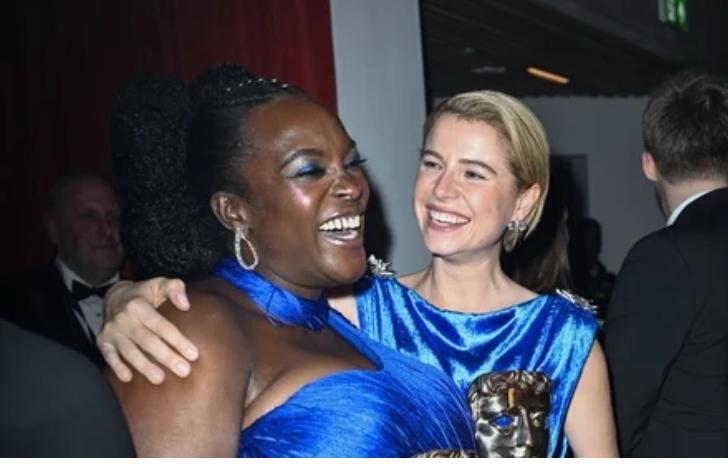
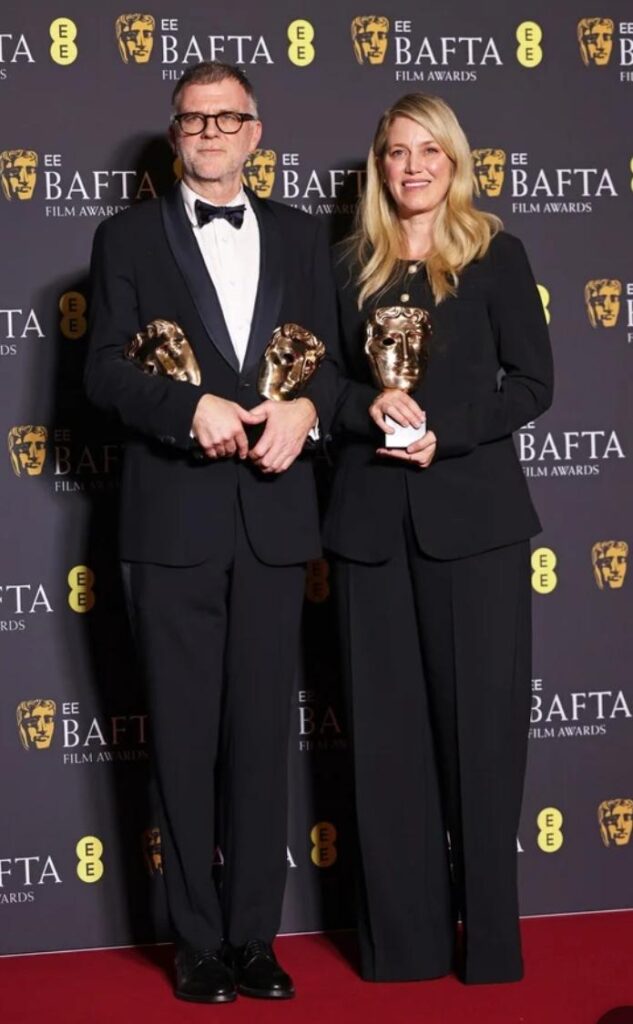
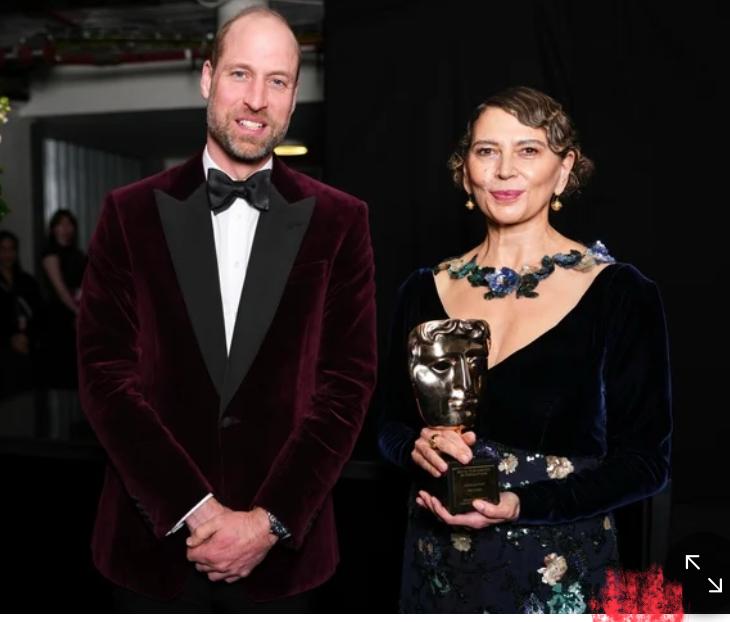
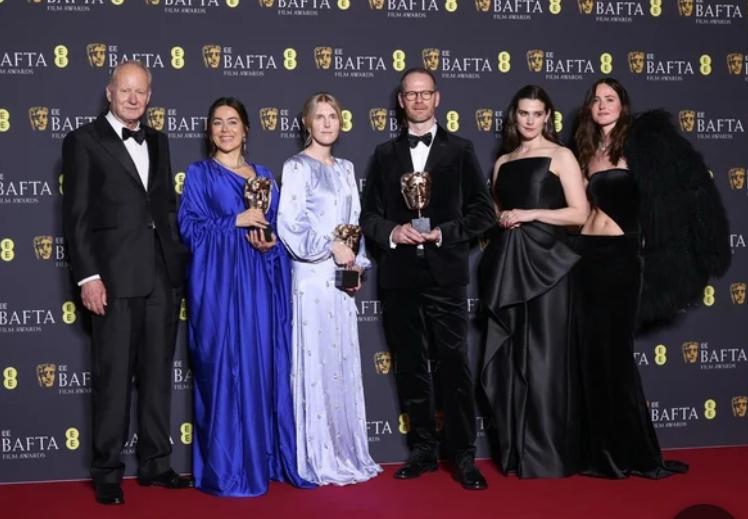
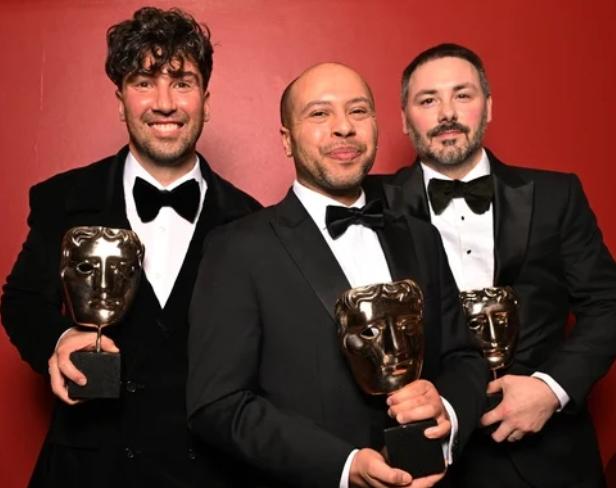
As the night concluded and winners posed backstage with their masks, the broader awards season narrative came into sharper focus. “One Battle After Another” emerged as a formidable international contender, while performances from Aramayo and Buckley strengthened their standing ahead of other global ceremonies. At the same time, the recognition of films such as “Sinners” and “Sentimental Value” signaled that 2026 may be remembered as a year when stylistic boldness and emotional sincerity carried equal weight.
The evening ultimately presented a portrait of contemporary cinema that is expansive in geography, varied in tone and ambitious in execution. Rather than a single storyline dominating proceedings, the 2026 BAFTA Awards illustrated an industry negotiating tradition and change — honouring master filmmakers while opening space for new creative forces shaping the future of film.




Post Disclaimer
The views and content presented in this article, news report, or video are solely those of the respective author or creator and do not necessarily reflect the official policy or position of BW Times Digital Online E-Paper.









Leave a comment