




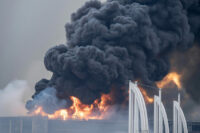










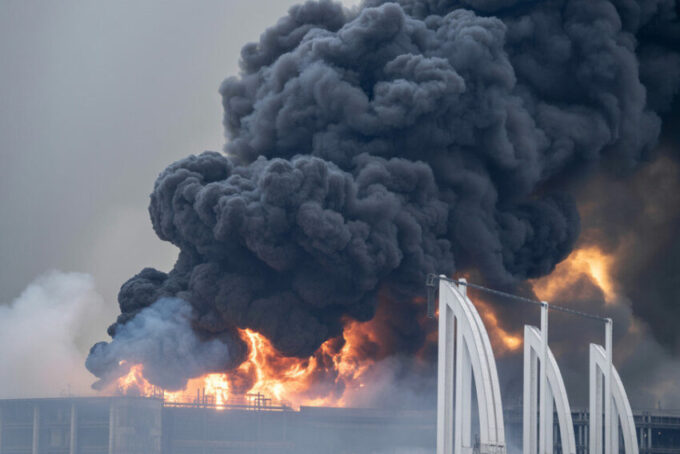
Nearly three days after the strikes on Iran, debate across the Arab world has intensified, with governments, analysts, and ordinary citizens offering sharply different interpretations of what the escalation means for the region. Several Arab capitals issued carefully worded statements calling for restraint, warning that further military action could destabilize the Middle East and threaten global energy markets. Gulf countries in particular emphasized the need to protect shipping lanes and oil infrastructure, fearing that any prolonged confrontation would place their economies and security directly at risk.
From Tehran’s perspective, officials responded to these Arab statements by urging regional unity against what they described as foreign intervention. Iranian representatives argued that instability in the region stems from external military actions rather than Iran’s policies. They called on neighboring Arab governments not to align themselves with Washington or Tel Aviv, warning that silence or indirect support could have long-term consequences for regional solidarity. Iranian commentators also claimed that pressure on energy markets demonstrates how interconnected regional security and oil production truly are.
In several Asian markets, oil prices experienced noticeable spikes in the immediate aftermath of the attacks. Traders in parts of South and East Asia reacted nervously due to their heavy dependence on Middle Eastern crude supplies. Energy importers in countries like India, China, and Japan reportedly reviewed contingency plans as shipping insurance costs rose and concerns over possible disruptions in the Strait of Hormuz resurfaced. By contrast, the impact appeared less dramatic in the United States, where domestic production and strategic reserves provided a buffer against immediate price surges. This uneven economic effect has fueled arguments in some circles that Washington faces fewer short-term energy risks compared to Asian economies that rely more directly on Gulf exports.
Another point of view circulating widely on social media links broader geopolitical decisions to domestic political controversies in the United States. Some commentators have suggested that former President Donald Trump previously strengthened ties with Nicolás Maduro in Venezuela to secure access to oil reserves, arguing that control over alternative energy supplies reduced strategic vulnerability before confronting Iran. There is, however, no verified evidence supporting claims of “kidnapping” or forced control of Venezuelan leadership. These narratives largely originate from online speculation rather than documented diplomatic or legal records.
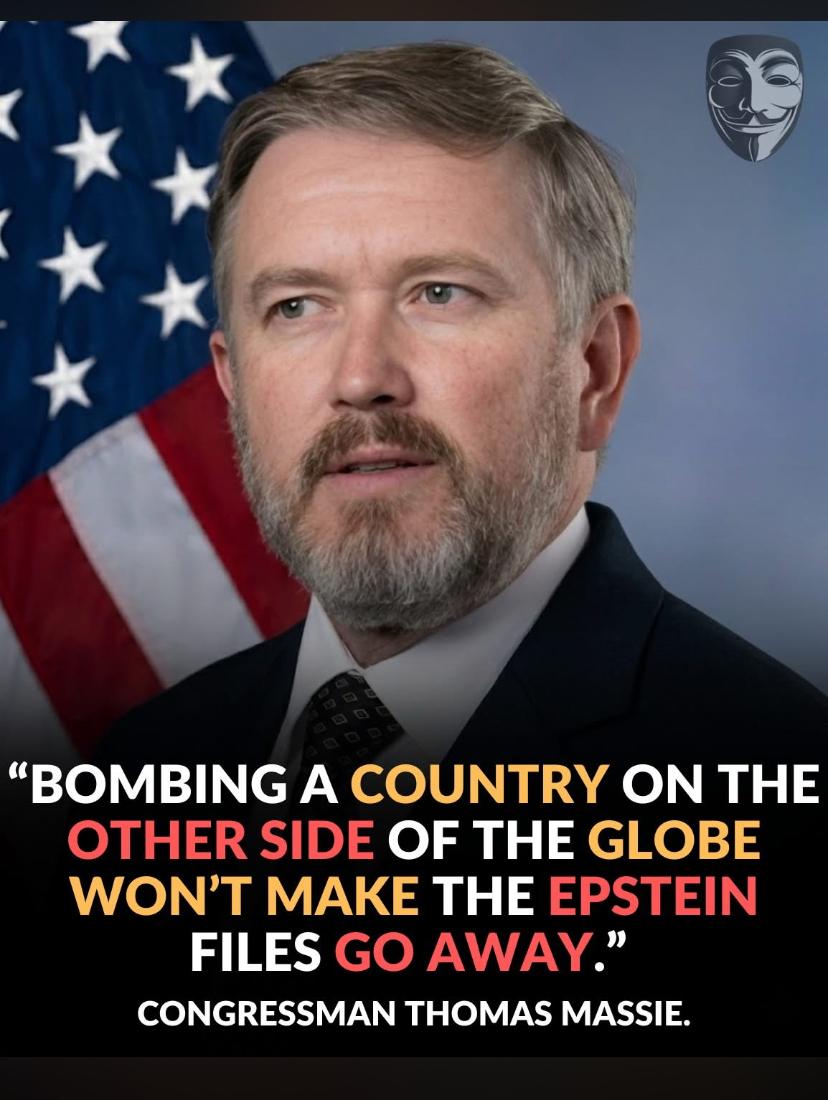
At the same time, domestic American political debate has intersected with foreign policy discussion. Congressman Thomas Massie recently stated that “bombing a country on the other side of the globe won’t make the Epstein files go away,” referencing ongoing public demands for transparency regarding the late financier Jeffrey Epstein. His remarks reflect a broader frustration among segments of the American public who question whether international military actions distract from unresolved domestic controversies. A recently resurfaced video circulating online showing Donald Trump and Jeffrey Epstein at a social gathering has further intensified debate, although no new legal findings have emerged from that footage itself.
Across Arab media platforms, discussions have expanded beyond immediate military consequences to include moral and political accountability. Commentators ask whether escalation serves security or deepens instability. Some argue that foreign intervention perpetuates cycles of retaliation, while others maintain that confronting perceived threats is necessary to prevent larger conflicts. Within this polarized environment, words such as “evil” are frequently used in emotional debates, but political analysts caution against reducing complex geopolitical struggles to simple moral labels.
As tensions remain high, the central concern across the Middle East and Asia continues to be whether diplomatic channels can reopen before energy markets, regional alliances, and civilian populations face deeper consequences. The coming days are expected to test not only military strategies but also political credibility on all sides.
Post Disclaimer
The views and content presented in this article, news report, or video are solely those of the respective author or creator and do not necessarily reflect the official policy or position of BW Times Digital Online E-Paper.








Leave a comment