















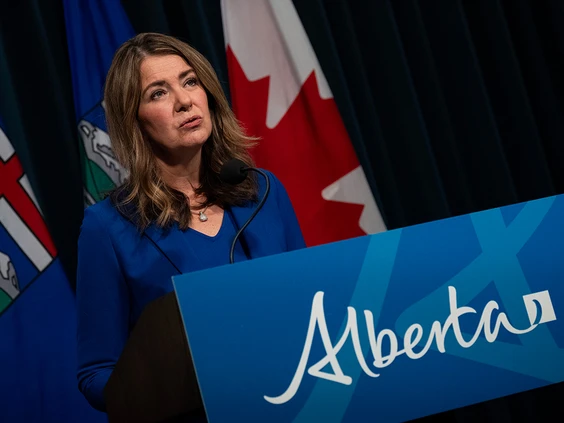
Premier Danielle Smith has cautioned Albertans to expect “significant” deficits in the province’s upcoming budget, with analysts projecting a shortfall that could approach $10 billion. While the warning signals mounting fiscal pressure, budget deficits are far from unusual in Alberta’s modern financial history.
Over the past 18 years, Alberta has posted deficits in all but five annual budgets. The pattern underscores how deeply the province’s finances are tied to volatile oil revenues and fluctuating global markets. Despite political rhetoric favouring balanced budgets and fiscal restraint, Alberta’s reliance on resource royalties has repeatedly exposed it to boom-and-bust cycles.
According to projections, Alberta is already expecting a $6.4-billion deficit in the 2025-26 fiscal year, an increase from earlier forecasts. Economists anticipate the 2026-27 shortfall could climb close to $10 billion, reflecting softer oil prices and sustained spending growth.
The province once enjoyed a long stretch of surpluses between 1997 and 2007 during a period of high oil prices. However, beginning in 2008, Alberta entered a prolonged period of red ink that lasted more than a decade, interrupted only briefly in 2014 and again during a short-lived return to surplus before slipping back into deficit during Smith’s tenure.
Major global events have shaped this fiscal trajectory. The 2008-09 global recession, the 2015 oil price crash, and the COVID-19 pandemic all significantly disrupted provincial revenues. Each downturn reinforced Alberta’s structural vulnerability to commodity price swings.
Smith has attributed part of the current fiscal strain to rapid population growth, arguing that increased immigration has intensified demand for public services. She has linked these pressures to federal immigration policies under former prime minister Justin Trudeau.
Economists note that Alberta’s population has grown at one of the fastest rates in Canada in recent years, placing new pressure on health care, education, housing, and infrastructure. Provincial spending has risen accordingly, increasing from approximately $60 billion in 2021-22 to about $75 billion in the most recent budget cycle.
While higher population growth can strengthen long-term economic output, it also requires immediate public investment. Health-care systems, classrooms, and social services must expand rapidly to keep pace, adding to short-term deficits when revenue growth lags behind expenditure increases.
The fiscal outlook carries added political significance as Alberta approaches discussions around a potential independence referendum later this year. Persistent deficits could complicate arguments about economic self-sufficiency, particularly in the face of uncertain energy markets and global economic volatility.
Ultimately, Alberta’s recurring deficits highlight a deeper structural issue: a tax framework that remains comparatively low while expenditures rise in response to demographic and economic pressures. Without either sustained high energy revenues or structural reforms, the province’s budget cycle appears likely to continue following a familiar pattern.
As the new budget is tabled, the central challenge for the Smith government will be balancing political commitments, growing public service demands, and the long-standing volatility embedded in Alberta’s resource-driven economy.
Post Disclaimer
The views and content presented in this article, news report, or video are solely those of the respective author or creator and do not necessarily reflect the official policy or position of BW Times Digital Online E-Paper.










Leave a comment