
















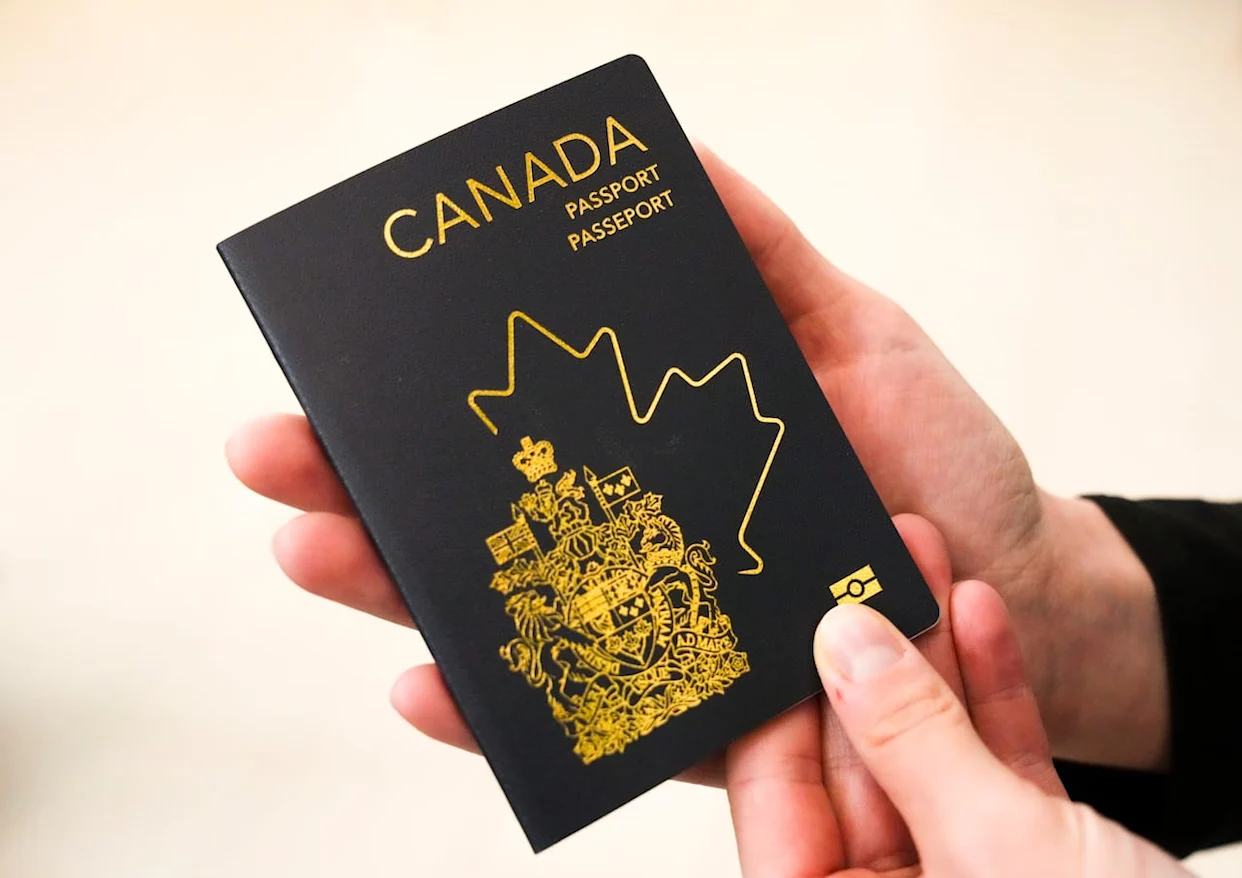
Canadian Passport Fees Set to Rise as Government Reviews Pricing Model
OTTAWA – The cost of Canadian passports is set to increase at the end of March, with further price hikes potentially on the horizon as the federal government reviews how it funds the passport program.
An order-in-council adopted in late January by the government of Prime Minister Mark Carney will tie passport fees to the Consumer Price Index (CPI), marking a shift toward automatic inflation-based adjustments.
Prices Increasing March 31
Beginning March 31, passport fees will rise by 2.7 per cent — reflecting the CPI increase recorded in April 2024.
For applicants within Canada:
- A five-year passport will increase to $123.24
- A 10-year passport will rise to $164.32
For Canadians applying from outside the country, a 10-year passport will cost $267.02.
The adjustments are being implemented by Immigration, Refugees and Citizenship Canada (IRCC), which oversees the passport program.
More Increases Possible
According to an accompanying impact statement, IRCC signalled that the CPI-based increase is only the first step in a broader review.
“The passport program’s base fee structure alone can no longer support the cost of program operations,” the department stated, noting that inflation has risen by 14.5 per cent since fees were last comprehensively adjusted.
The department reported that expenditures exceeded revenues by approximately $121 million in the 2024–25 fiscal year.
IRCC indicated it is conducting a comprehensive fee structure review that may result in additional adjustments to better reflect the “true cost of operations.”
What’s Driving the Cost Pressures?
The department says current passport fees do not fully account for:
- Salaried employees and administrative support
- Domestic delivery processing costs
- Information technology infrastructure
- Other operational program expenses
Officials estimate that roughly 85 per cent of operational costs are not currently covered by the base fee formula.
The review does not specify how much passport fees could increase if those additional costs are fully incorporated.
Affordability Concerns Raised
The pending increases have prompted concern among some critics.
Jenny Kwan, the NDP’s immigration critic and MP for Vancouver East, said some residents already struggle to afford passport fees. She noted that passports are increasingly important as a widely accepted form of identification, even for domestic purposes.
What Travellers Should Know
Canadians planning international travel in 2026 may want to apply or renew before March 31 to avoid the upcoming increase.
With the government signalling broader pricing reforms ahead, passport costs could continue to climb depending on the outcome of the fee review.
For now, the March adjustment represents the first time passport fees will be directly tied to inflation — a change that could make price increases more predictable, but also more frequent, in the years to come.
Post Disclaimer
The views and content presented in this article, news report, or video are solely those of the respective author or creator and do not necessarily reflect the official policy or position of BW Times Digital Online E-Paper.








Leave a comment