










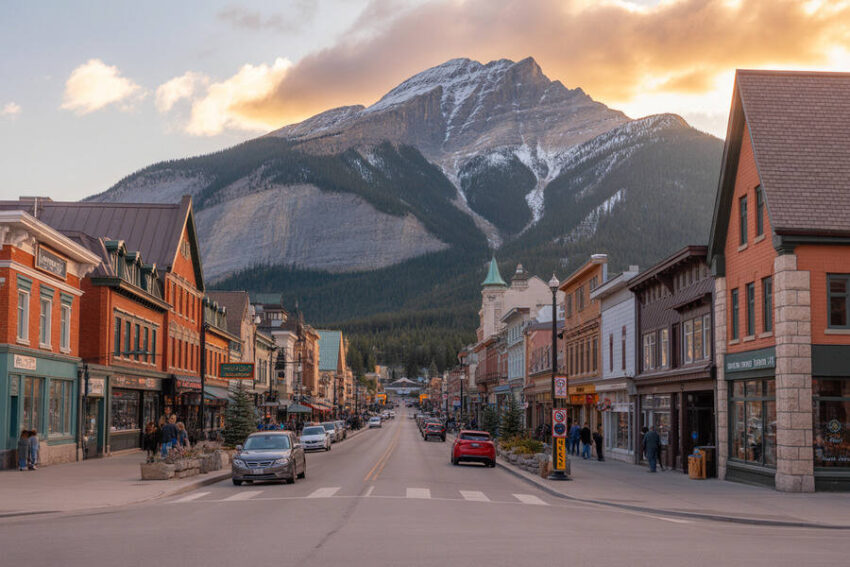
Alberta is joining several Canadian provinces — including British Columbia, Nova Scotia, Ontario, New Brunswick and Saskatchewan — in strengthening regulations aimed at protecting Canada’s tourism legacy.
The coordinated push focuses on three major areas: transparent hotel pricing, stronger conservation laws for historic landmarks, and reinforced protections for UNESCO World Heritage Sites. As Canada’s tourism sector continues its post-pandemic rebound, these measures are designed to promote long-term sustainability while preserving the country’s cultural and natural treasures.
Alberta Introduces Traveller Protection and Destination Development Act
In 2025, Alberta passed the Traveller Protection and Destination Development Act (Bill 16), marking a significant shift in how tourism-related fees are regulated.
The legislation requires hotels, motels and inns to disclose the full cost of accommodations at the time of booking, including destination marketing fees. It also ensures that 100 percent of those fees are directed toward recognized tourism organizations such as Explore Edmonton and Tourism Jasper.
The law addresses longstanding concerns about hidden or misused destination marketing fees. Under the new rules, such fees may only be charged in regions with an officially designated tourism marketing organization.
By mandating transparency and accountability, Alberta aims to strengthen visitor trust and ensure that tourism-generated funds are reinvested into promoting local destinations.
British Columbia Modernizes Heritage Protections
British Columbia has long been a leader in conservation through its Heritage Conservation Act. In 2025, the province began modernizing the legislation to strengthen protections for archaeological sites, historic buildings and culturally significant landscapes.
The updates prioritize Indigenous consultation and expand safeguards for heritage sites across the province. Special attention has been placed on internationally recognized areas such as the Great Bear Rainforest and the Canadian Rocky Mountain Parks, both globally significant natural regions.
The changes are designed to limit incompatible development and ensure tourism growth remains environmentally sustainable.
Nova Scotia Strengthens Cultural Preservation
In Nova Scotia, updates to the Heritage Property Act are making it more difficult to demolish or significantly alter designated historic properties without oversight.
Key protected areas include the Cape Breton Highlands National Park, a major tourism draw known for its dramatic coastal landscapes and cultural heritage.
Provincial officials say the new measures will help balance tourism development with preservation of Nova Scotia’s maritime identity and historic charm.
Ontario Reinforces the Ontario Heritage Act
Ontario continues to strengthen protections under the Ontario Heritage Act, which safeguards culturally and historically significant buildings, districts and landscapes.
One major beneficiary is the Rideau Canal, a UNESCO World Heritage Site linking Ottawa to Lake Ontario. As a key tourism attraction and engineering landmark, the canal receives ongoing oversight to ensure development does not compromise its historic integrity.
Ontario’s enhanced regulations aim to preserve both urban heritage districts and culturally important rural and Indigenous sites.
New Brunswick and Saskatchewan Expand Community Roles
New Brunswick has updated its Heritage Conservation Act to increase penalties for unauthorized alterations and expand consultation with municipalities and Indigenous communities.
Meanwhile, Saskatchewan has strengthened its Heritage Property Act by encouraging public nominations of historic sites and raising awareness of cultural preservation initiatives.
Both provinces are positioning heritage tourism as a long-term economic driver while ensuring cultural assets are responsibly managed.
UNESCO World Heritage Sites Under Heightened Protection
Canada remains committed to safeguarding globally recognized heritage landmarks. Key sites include:
- Historic District of Old Québec
- Canadian Rocky Mountain Parks
- Wood Buffalo National Park
These sites draw millions of international visitors annually. Stricter development controls and conservation standards aim to ensure that tourism does not compromise their ecological or cultural significance.
What Tourists Should Be Aware Of in 2026
With these regulations taking effect or being strengthened across multiple provinces, visitors to Canada in 2026 should expect:
- Greater transparency in hotel pricing, including clear disclosure of destination marketing fees
- Stronger enforcement of heritage protection laws
- Stricter development limits around historic landmarks and UNESCO-designated sites
- Enhanced sustainability initiatives across tourism hubs
While these measures may introduce tighter oversight for tourism operators, they are intended to create a more authentic and responsible travel experience.
A Sustainable Future for Canadian Tourism
By prioritizing transparent business practices and heritage conservation, Alberta and other provinces are reshaping Canada’s tourism landscape. These regulations not only protect historic and natural treasures but also position Canada as a global leader in sustainable tourism policy.
As 2026 unfolds, Canada’s coordinated provincial efforts signal a clear direction: economic growth and heritage preservation can move forward together, ensuring that the country’s cultural identity and natural beauty remain intact for generations to come.
Post Disclaimer
The views and content presented in this article, news report, or video are solely those of the respective author or creator and do not necessarily reflect the official policy or position of BW Times Digital Online E-Paper.



Leave a comment