












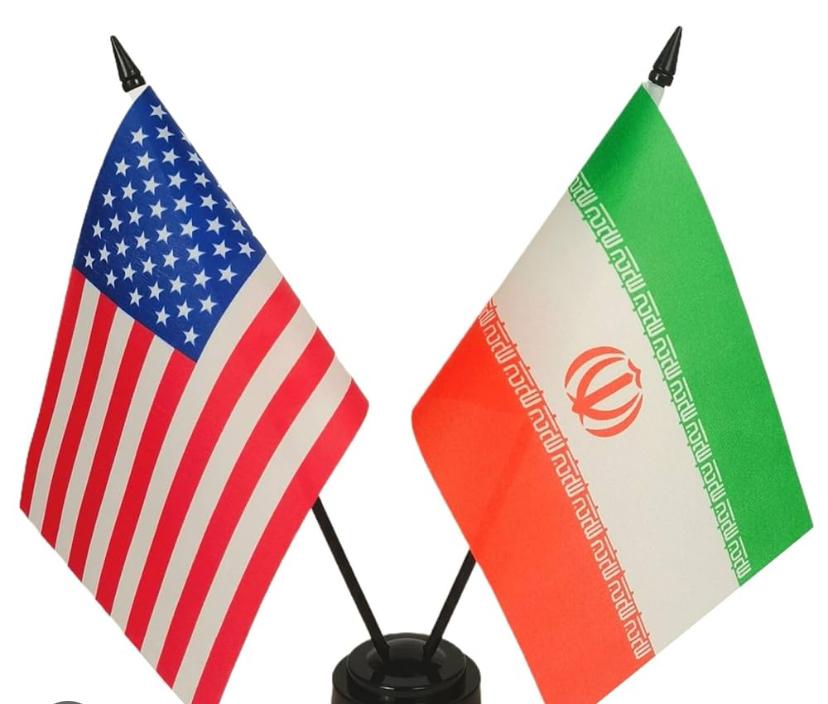
Diplomatic movement between Iran and the United States has entered a new and delicate phase as both sides engage in renewed negotiations aimed at easing years of tension, particularly over Iran’s nuclear program and economic sanctions. The latest round of discussions has taken place in Geneva, where indirect channels have allowed officials to exchange proposals without sitting face-to-face. Diplomats describe the atmosphere as cautious but more structured than previous efforts, signaling that both governments are under pressure to avoid further escalation.
The core focus of the talks remains Iran’s nuclear activities. Washington is seeking firm guarantees that Tehran’s enrichment program will remain limited and transparent, ensuring that nuclear development does not move toward weaponization. In return, Iranian negotiators are pushing for phased sanctions relief that would allow the country broader access to international banking systems, oil exports, and frozen overseas assets. The structure under discussion reportedly includes confidence-building steps on both sides, where compliance would be verified in stages rather than through a single sweeping agreement.
Officials involved in the negotiations have suggested that preliminary “guiding principles” have been identified. These principles are not a final agreement but rather a framework designed to steer technical experts toward drafting a more detailed document. Iranian representatives, including Foreign Minister Abbas Araghchi, have emphasized the need for economic guarantees that cannot be easily reversed by future administrations in Washington. On the American side, envoys such as Steve Witkoff have stressed verification mechanisms and international oversight as essential pillars of any deal.
The mediation role of Oman has once again proven significant. Omani diplomats have acted as intermediaries, relaying messages and helping to manage misunderstandings. This indirect format reduces political risk for both governments, particularly at a time when domestic opinion in each country remains divided on whether engagement or pressure is the more effective path forward.
While diplomatic channels appear active, tensions in the broader region have not disappeared. Naval activity in the Persian Gulf remains heightened, and military exercises continue to send signals of deterrence. The strategic importance of the Strait of Hormuz, through which a significant portion of global oil supplies passes, adds urgency to the negotiations. Any disruption there would immediately impact international energy markets, placing additional economic strain on both developed and developing countries.
Economic considerations are central to the current dialogue. Iran’s leadership is seeking measurable improvement in trade and currency stability, arguing that sanctions have deeply affected ordinary citizens. American policymakers, meanwhile, face pressure from allies in the Middle East and Europe who want reassurance that regional security will not be compromised. The balance between economic relief and strict monitoring remains the most sensitive issue at the table.
Analysts observing the talks note that this round differs from previous attempts because both sides appear to recognize the cost of continued hostility. Years of stalled negotiations have coincided with increased enrichment levels, cyber tensions, and regional proxy conflicts. A limited but enforceable agreement could reduce the risk of sudden escalation, even if it does not resolve all longstanding disputes.
Still, significant obstacles remain. Trust between Tehran and Washington has been eroded by past withdrawals from agreements and mutual accusations of non-compliance. Any new document would likely require careful sequencing to ensure that neither side feels exposed or politically weakened. Domestic politics in both capitals will also shape the outcome, as leaders must justify compromises to skeptical audiences at home.
For now, diplomats describe the situation as a narrow but real diplomatic opening. Technical teams are expected to continue drafting proposals, refining inspection standards, and outlining sanction-relief mechanisms. Whether these discussions ultimately lead to a formal agreement will depend on sustained political will and the ability to manage parallel regional tensions.
The coming weeks will be critical. If progress continues, the groundwork laid in Geneva could evolve into a structured accord aimed at stabilizing one of the world’s most sensitive geopolitical rivalries. If talks falter, however, the region may once again face uncertainty marked by economic strain, military posturing, and renewed diplomatic isolation.
Source: Date Line Washington DC By Line Faisal Qazi
Post Disclaimer
The views and content presented in this article, news report, or video are solely those of the respective author or creator and do not necessarily reflect the official policy or position of BW Times Digital Online E-Paper.









Leave a comment