















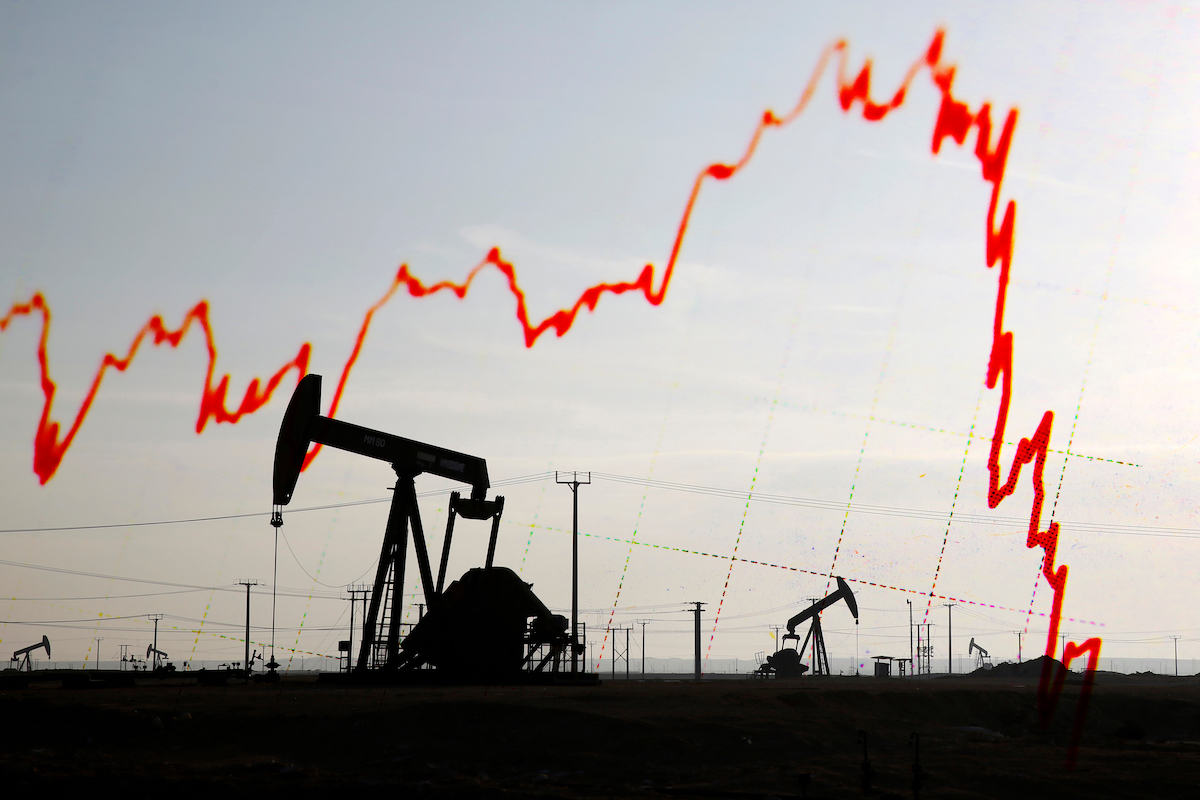
The global oil market has once again become the centre of economic and political tension as crude prices surge in response to ongoing conflict in the Middle East. What makes this situation particularly significant is not just the scale of the price increase, but the way it is reshaping economies far beyond the battlefield. Even countries with no direct involvement in the conflict are feeling the consequences, proving once again that oil remains one of the most globally interconnected commodities.
Crude oil, particularly Brent crude, has climbed sharply in recent weeks, moving from relatively stable levels earlier in the year to prices hovering around the one hundred dollar mark per barrel and at times even higher. This rise is driven less by actual shortages and more by fear and uncertainty. The Middle East remains one of the most critical oil producing regions in the world, and any disruption, real or anticipated, creates immediate ripple effects in global markets. Shipping routes, especially key maritime corridors, are under pressure, and even the possibility of supply interruptions has been enough to push traders into aggressive buying.
For countries not involved in the conflict, the impact is immediate and often severe. Europe finds itself in a vulnerable position. Many European economies rely heavily on imported energy, and although they have tried to diversify sources in recent years, they still remain exposed to global price shocks. As oil becomes more expensive, transportation and manufacturing costs increase, leading to higher prices for everyday goods. This feeds inflation, which governments are already struggling to control. For example, a trucking company in Germany now faces significantly higher fuel costs, and those costs are passed on to supermarkets, which then raise food prices for consumers.
Asia presents an even more complex picture. Large economies such as India and smaller, more fragile ones like Pakistan are highly dependent on imported oil. When prices rise sharply, their national budgets come under stress. Governments must spend more foreign currency to secure energy supplies, weakening their currencies and increasing debt pressure. In Pakistan’s case, higher oil prices translate directly into more expensive electricity and transport, affecting millions of ordinary people. A simple bus ride or grocery bill becomes more costly, creating widespread economic strain.
In Africa, the situation is divided between oil importers and exporters. Countries that rely on imported fuel face challenges similar to those in Asia, with rising costs leading to inflation and economic hardship. However, oil producing nations such as Nigeria or Angola may benefit from higher prices. Increased revenues can strengthen government finances, but this advantage is often unevenly distributed and does not always reach the broader population. In many cases, higher oil income coexists with rising living costs, limiting the overall benefit.
North America is relatively more insulated, but not immune. The United States has transformed itself into one of the world’s largest oil producers, which changes the dynamic significantly. Higher global prices can actually benefit American oil companies, boosting profits and encouraging more domestic production. Canada, with its vast energy resources, experiences a similar effect. However, consumers still face higher gasoline prices, and this can create political pressure. A family in Calgary, for example, may find that filling up their vehicle costs noticeably more, even though the country itself is an energy exporter.
The impact of rising fuel costs is now clearly visible in Canada’s aviation sector. WestJet, headquartered in Calgary, has introduced a temporary surcharge of up to sixty dollars on certain flight bookings. This move reflects the immediate pressure airlines face when jet fuel prices surge. Fuel is one of the largest operating expenses for any airline, and even a small increase in oil prices can significantly raise overall costs. For passengers, this means higher ticket prices at a time when travel demand is already sensitive to economic uncertainty.
Other Canadian carriers are also adjusting to the situation. Air Canada, the country’s largest airline, has not always applied a fixed surcharge in the same way but has been gradually increasing fares and adjusting route pricing to reflect higher fuel expenses. This approach spreads the cost across ticket pricing rather than presenting it as a separate fee, but the effect on passengers is similar. Meanwhile, Porter Airlines and Flair Airlines, both operating in competitive segments of the market, face a more delicate balance. Low cost carriers in particular must decide whether to absorb some of the fuel cost increases or pass them on to customers, risking reduced demand.
The aviation example highlights how quickly oil price increases filter into everyday life. Airlines operate on tight margins, and fuel costs can represent a substantial portion of their total expenses. When oil prices rise, airlines must react quickly to protect profitability. This often results in higher ticket prices, fewer promotional fares, or reduced flight frequencies on less profitable routes.
China’s approach to the crisis reflects long term strategic planning. Unlike many other major economies, China has built large strategic oil reserves and diversified its supply chains. It imports oil from a wide range of countries, reducing its dependence on any single region. This allows Beijing to manage short term disruptions more effectively. At the same time, China has been purchasing discounted oil from countries facing limited market access, turning geopolitical instability into an economic advantage. By maintaining a neutral stance in conflicts, China ensures continued access to energy while avoiding direct involvement.
Russia finds itself in a strong position despite ongoing geopolitical pressures. As one of the world’s largest energy exporters, it benefits directly from rising prices. Even under restrictions, Russian oil continues to reach global markets through alternative buyers. Higher global prices mean that even discounted sales generate significant revenue, strengthening its financial position and giving it additional leverage.
The role of the United States in this scenario remains complex. Higher oil prices support domestic energy producers and contribute to economic activity in the oil sector. At the same time, rising fuel costs can lead to public dissatisfaction and increase inflationary pressure. Political leadership must balance these competing realities carefully. While energy independence provides some protection, the interconnected nature of global markets means the United States cannot fully escape the effects of international price fluctuations.
The Middle East itself faces both losses and challenges. Conflict disrupts production, damages infrastructure, and limits the ability to export oil efficiently. In some cases, countries are unable to fully capitalize on higher prices because they cannot produce or transport oil at normal levels. This creates a situation where potential earnings are high, but actual income may be reduced.
Globally, the rise in oil prices feeds directly into inflation. Energy is a foundational input for nearly every sector of the economy. When fuel costs increase, transportation becomes more expensive, manufacturing costs rise, and food prices climb. This chain reaction affects both developed and developing nations, although the impact is far more severe in poorer countries where households spend a larger share of their income on basic necessities.
An example can be seen in the aviation industry beyond Canada as well. Airlines around the world are facing higher fuel costs, which represent a major portion of their expenses. To compensate, ticket prices increase, reducing travel demand and affecting tourism dependent economies. Similarly, farmers in developing countries must pay more for fuel to operate machinery and transport goods, leading to higher food prices in local markets.
In conclusion, the current surge in crude oil prices highlights the deep interconnectedness of the global economy. A regional conflict can trigger worldwide economic consequences, affecting nations regardless of their direct involvement. While some countries and industries benefit from higher prices, the overall effect tends to be negative, particularly for energy importing economies and vulnerable populations. The recent actions by Canadian airlines such as WestJet illustrate how quickly global oil trends translate into real costs for consumers, reinforcing the idea that energy prices remain a powerful force shaping everyday economic life.
Post Disclaimer
The views and content presented in this article, news report, or video are solely those of the respective author or creator and do not necessarily reflect the official policy or position of BW Times Digital Online E-Paper.








Leave a comment