















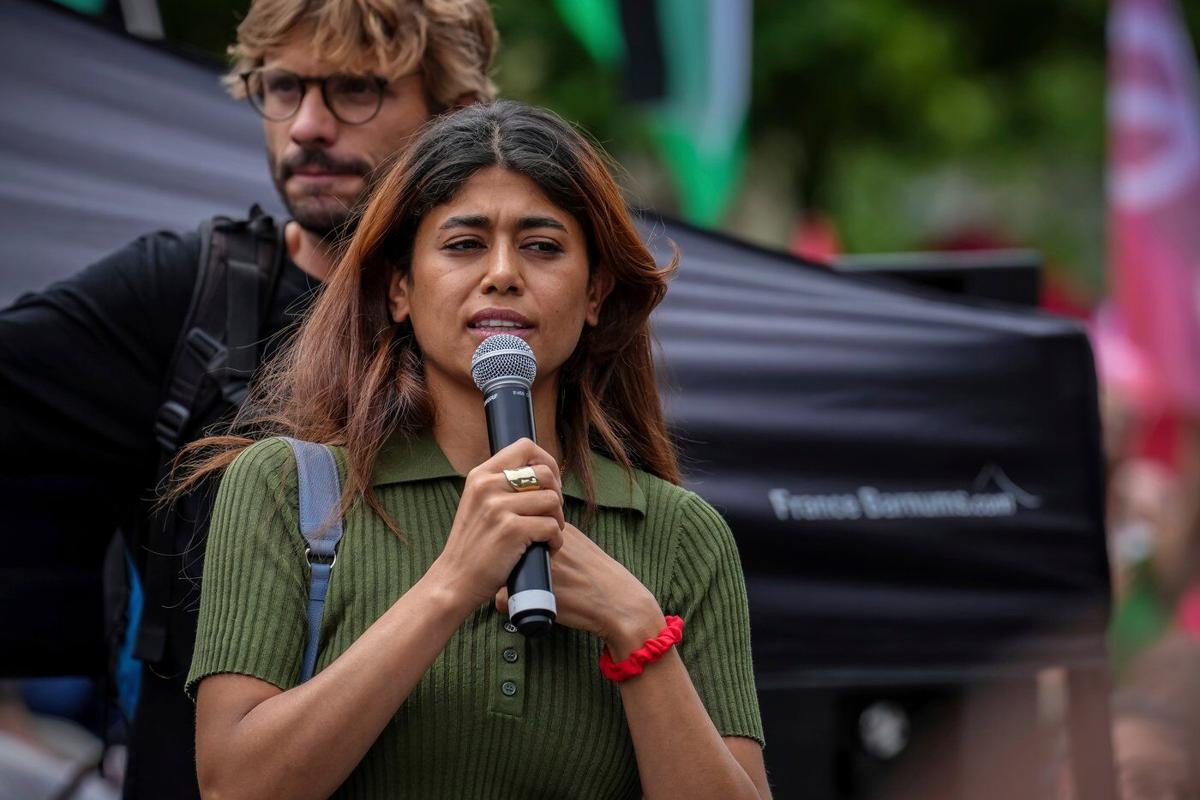
Rima Hassan says she was denied entry into Canada only days before she was scheduled to appear at public conferences in Montreal, a move that has triggered political debate over immigration decisions and freedom of expression.
The French Palestinian politician explained that her electronic travel authorization had first been approved and was later withdrawn shortly before departure.
According to statements issued by her political movement La France Insoumise, Canadian authorities cited incomplete disclosure linked to a previous visa refusal or denial of entry, along with questions concerning earlier legal declarations made during the travel application process.
Her supporters argue that the refusal may be connected to an earlier incident in which she was denied entry to Israel and to complaints filed because of her outspoken criticism of Israeli policy and support for Palestinian rights.
Hassan described the decision as a troubling obstacle to parliamentary work and public debate, saying she believes the timing raises wider concerns about political pressure.
She had been expected to participate in two separate conferences in Montreal, including one focused on restrictions facing pro Palestinian voices and another examining the growth of far right politics.
Despite the refusal, she confirmed she would still address both gatherings remotely through online participation.
Canada Border Services Agency had not publicly detailed the full basis of the decision at the time political reactions began emerging.
Alexandre Boulerice questioned the sudden reversal, saying the decision appeared suspicious and could be interpreted by some as political punishment linked to her public positions on Gaza and the West Bank.
He argued that if immigration measures are influenced by political controversy, it could create broader concern about how visiting international figures are assessed.
Andrés Fontecilla also called for clarification from Ottawa, saying any refusal based primarily on political speech would raise important democratic questions.
Meanwhile, advocacy groups took sharply different positions.
B’nai Brith Canada welcomed the refusal and said it had shared information with border authorities before the decision.
Centre for Israel and Jewish Affairs also supported the denial while expressing concern that her scheduled events would still proceed online.
The case has added another layer to wider debate in Canada over how immigration screening intersects with international politics, activism, and freedom of speech, especially as public discussion around the Middle East remains highly sensitive across universities, political institutions, and civil society forums.
Courtesy: thestar
Post Disclaimer
The views and content presented in this article, news report, or video are solely those of the respective author or creator and do not necessarily reflect the official policy or position of BW Times Digital Online E-Paper.










Leave a comment