














Iran has signaled that another critical global maritime route could soon come under pressure, raising serious concern across international shipping, energy markets, and global trade planners.
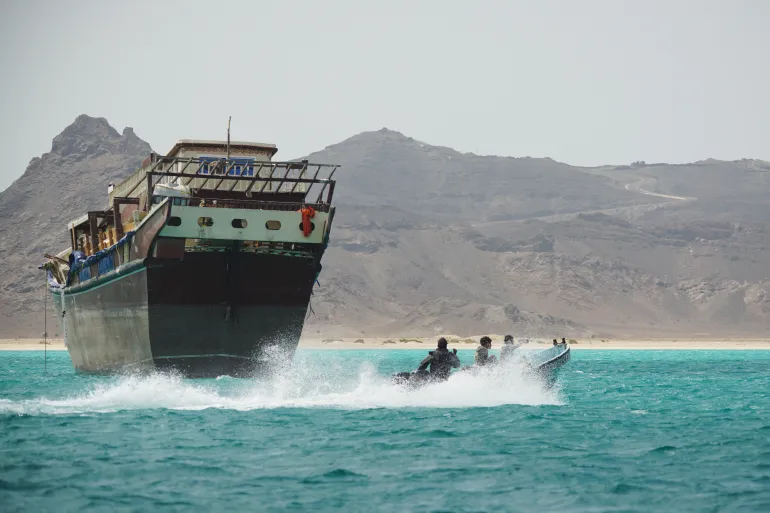
The latest warning focuses on Bab al-Mandeb Strait, one of the world’s most strategically important sea passages linking the Red Sea to the Gulf of Aden and onward to the Indian Ocean.
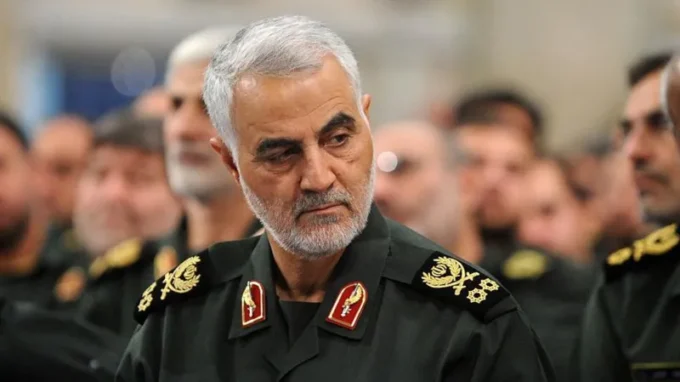
The warning came after senior Iranian political adviser Ali Akbar Velayati suggested that forces aligned with Tehran could treat Bab al Mandeb the same way Iran has already treated Strait of Hormuz.
This immediately drew global attention because both waterways together carry a massive portion of world energy shipments and commercial trade.
Bab al Mandeb lies between Yemen on one side and Djibouti and Eritrea on the other.
Although narrow in width, its strategic value is enormous because it connects vessels moving from Asia toward Europe through the Red Sea and the Suez Canal.
If this route were disrupted while Hormuz remains restricted, the world could face one of the most severe maritime supply shocks in recent decades.
Current estimates show that nearly five percent of global oil and petroleum shipments pass through Bab al Mandeb annually.
At the same time, around ten percent of total global commercial trade also depends on this route, especially container cargo moving from China, India, and other Asian economies toward European markets.
The bigger concern comes when combined with the situation at Hormuz.
If both sea lanes face simultaneous restriction, nearly one quarter of global oil and gas movement could be affected.
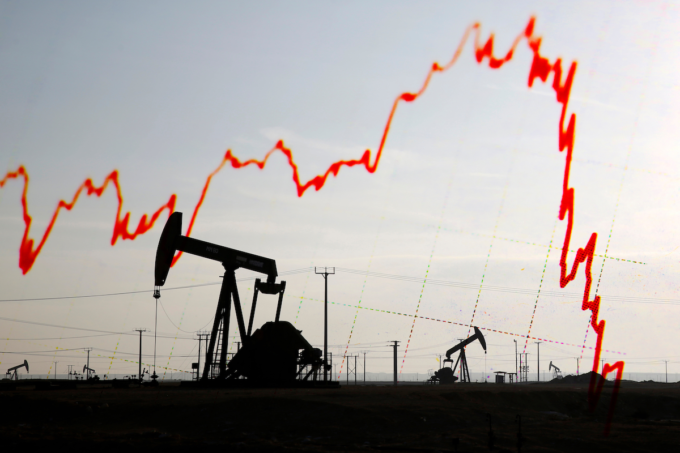
That scale of disruption would likely push fuel prices sharply higher across many regions, especially in Asia and Europe.
It would also slow factory supply chains, delay industrial imports, and raise shipping insurance costs worldwide.
A major energy exporter already highly dependent on Bab al Mandeb is Saudi Arabia.
As Hormuz became more difficult for shipping, Saudi Arabia increased heavy use of its east west oil pipeline that moves crude to the Red Sea port of Yanbu, allowing exports through Bab al Mandeb.
That pipeline, operated by Saudi Aramco, has recently been pushed to near full capacity.
Any disruption at Bab al Mandeb would therefore immediately affect Saudi export flexibility.
Attention is also focused on the role of the Houthis, who control significant coastal influence in Yemen.
They have already shown in previous regional conflicts that they can target ships using missiles and drones.
Even a small number of attacks could force commercial shipping companies to reroute vessels around southern Africa, adding major cost and delay.
That longer route around the Cape of Good Hope would extend shipping time by many days and significantly increase freight expenses.
For Europe, such a development would be especially damaging because many energy and manufacturing imports arrive through this corridor.
For Asia, exports to Europe would also become slower and more expensive.
Economists warn that if both Hormuz and Bab al Mandeb remain unstable together, inflation pressure could quickly rise in fuel, transport, food, and industrial goods.
Strategically, the threat also increases military pressure on the region because any confirmed attack on commercial vessels could trigger immediate international naval response.
The United States and allied naval forces already maintain heavy monitoring around these waters, while regional governments are closely watching whether threats become operational.
For now, shipping continues, but markets remain highly sensitive because maritime chokepoints can influence global prices within hours.
Even political warnings alone often affect insurance rates and tanker scheduling.
That is why Bab al Mandeb is no longer just a regional issue. It has become a direct global economic concern. If disruption expands, consequences would quickly reach ports, factories, fuel stations, and households far beyond the Middle East.
Courtesy: Aljazeera
Post Disclaimer
The views and content presented in this article, news report, or video are solely those of the respective author or creator and do not necessarily reflect the official policy or position of BW Times Digital Online E-Paper.










Leave a comment