

















Glenbow Museum in downtown Calgary is entering one of the most significant transformations in its history as it prepares to reopen under a new identity, the JR Shaw Centre for Arts and Culture. The major redevelopment is not limited to physical renovation. It represents a complete rethinking of how a museum can serve the public, engage communities, and reflect the changing cultural identity of southern Alberta.
Originally founded in 1955, the museum has long been one of western Canada’s major cultural institutions. Its current downtown building, opened in 1976, has remained a recognizable part of Calgary’s urban landscape for decades. Now, after years of construction and planning, the renewed institution is preparing for a major reopening that will introduce both architectural and philosophical change.
The building’s exterior has already become one of the most discussed features of the project. The former heavy brutalist exterior has been covered with modern white concrete panels designed to reflect patterns similar to snow ripples seen across the foothills of the Rocky Mountains. The new design softens the building’s appearance while maintaining strong visual identity in the downtown core.
Inside the structure, however, the museum has chosen not to erase its history. Instead, exposed concrete, visible structural elements, and traces of earlier construction remain intentionally present. Old drill marks, raw surfaces, and industrial textures now form part of the visitor experience, connecting the building’s past with its future.
Architects involved in the redesign aimed to reveal parts of the museum that traditionally remained hidden. Conservation rooms, storage areas, and working spaces will now be visible to visitors, offering transparency rarely seen in older museum models. This approach changes how visitors understand the institution, showing that cultural preservation itself is an active, visible process.
The transformation also reflects larger international debates about the role of museums in modern society. For decades many museums operated as formal institutions where knowledge was presented from one direction. The renewed Glenbow model moves toward dialogue, participation, and community involvement.
Museum leadership says the future institution must reflect the people it serves rather than simply display objects behind glass. This means local communities, Indigenous voices, immigrant histories, and diverse cultural groups will increasingly help shape exhibitions and programming.
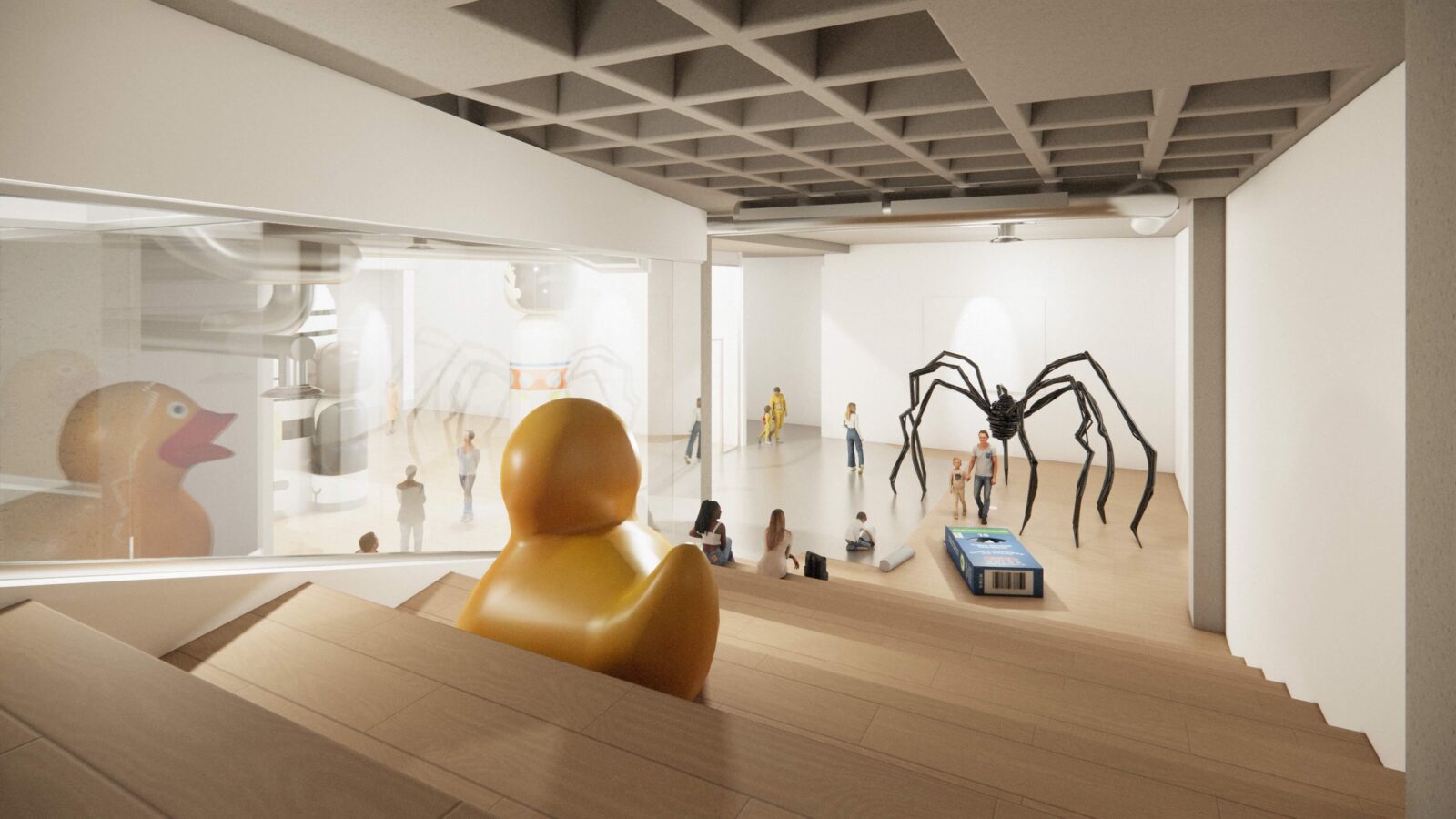
One of the most important changes is the expansion of flexible exhibition spaces. Instead of fixed galleries designed only for traditional displays, the new centre will include adaptive areas that can host different forms of storytelling, public dialogue, performances, educational activities, and cultural events.
Visitors can expect multiple gallery types, including large vertical exhibition spaces spanning several floors, double height galleries, and open public areas designed for lectures, workshops, and ceremonies. Outdoor areas and public gathering zones will further connect the institution with downtown life.
The curatorial direction is also changing. Museum officials plan to rotate exhibitions more frequently and use the collection in ways that allow communities to directly contribute their own narratives. This means local families, cultural organizations, and residents may help decide how historical objects are interpreted.
Another major step toward accessibility is the decision to make admission permanently free. This long term free access model is supported by funding from the Shaw Family Foundation, allowing visitors to enter without financial barriers.
This move is expected to significantly increase public participation and expand the museum’s role beyond tourism into everyday civic life. Free entry also allows students, families, seniors, and new residents to engage regularly with exhibitions without economic pressure.
The new main entrance has also been repositioned to face Stephen Avenue, making access clearer and more inviting than before. Previously, many visitors entered through the adjacent convention centre, which often caused confusion for first time guests.
By opening directly onto one of downtown Calgary’s busiest pedestrian corridors, the centre is expected to feel more connected to daily urban movement and public life.
When the museum fully reopens, it is expected to present 36 exhibitions prepared across multiple themes including art, history, identity, and regional narratives. Organizers believe this broader programming will help visitors see their own experiences reflected inside the institution.
The larger goal is to create a space where museums no longer feel distant or formal, but instead become active civic environments where stories are shared openly and communities see themselves represented.
For Calgary, the reopening of Glenbow Museum as the JR Shaw Centre for Arts and Culture marks more than a renovation. It represents a cultural shift in how one of Alberta’s most important institutions understands public belonging, accessibility, and shared memory.
Courtesy: thetyee
Post Disclaimer
The views and content presented in this article, news report, or video are solely those of the respective author or creator and do not necessarily reflect the official policy or position of BW Times Digital Online E-Paper.












Leave a comment