















Pakistan is standing at the edge of an environmental emergency—one that is unfolding
quietly but relentlessly. While political debates and economic challenges dominate
headlines, environmental degradation continues to erode public health, livelihoods,
and the country’s future. From toxic air and contaminated water to deforestation and
climate-induced disasters, the warning signs are everywhere. Yet meaningful action
remains painfully slow.
Air Pollution: Breathing Has Become a Health Risk
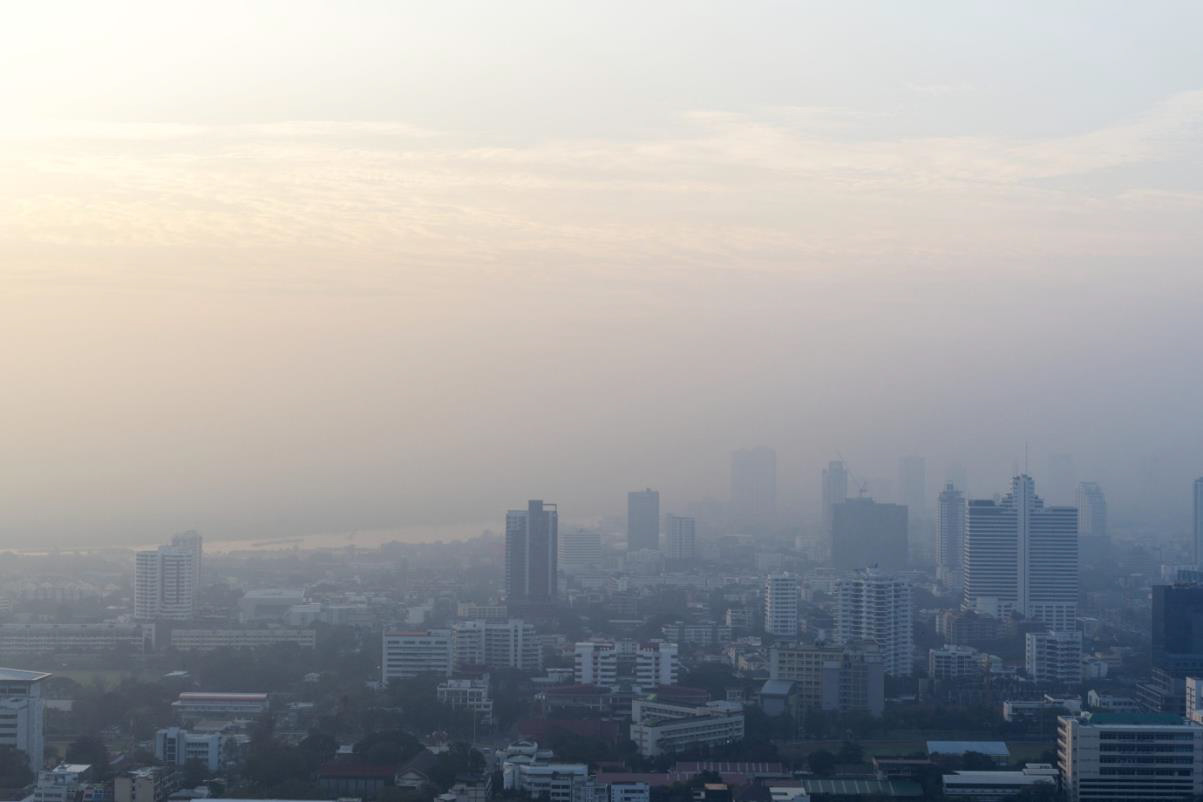
In cities like Lahore, Karachi, and Faisalabad, clean air has become a luxury. Thick smog
blankets urban centers every winter, forcing school closures and overwhelming
hospitals. Vehicle emissions, unchecked industrial pollution, crop residue burning, and
construction dust have turned Pakistan’s air into a dangerous mix of toxins.
According to health experts, prolonged exposure to polluted air increases the risk of
asthma, heart disease, and premature death. Despite repeated alerts, enforcement of
emission laws remains weak, and polluters continue to operate without accountability.
Water Crisis: Scarcity and Contamination
Pakistan is fast approaching absolute water scarcity. Rivers and groundwater reserves
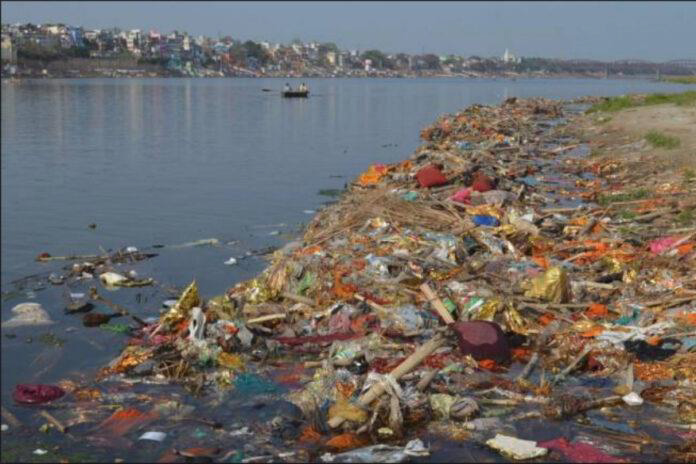
are shrinking, while available water is increasingly unsafe for consumption. Untreated
sewage, industrial waste, and agricultural runoff flow directly into rivers and canals,
contaminating drinking water sources.
Millions of Pakistanis lack access to clean drinking water, leading to widespread
waterborne diseases. Poor governance, outdated infrastructure, and inefficient water
management policies have turned a basic human need into a national crisis.
Deforestation and Vanishing Wildlife
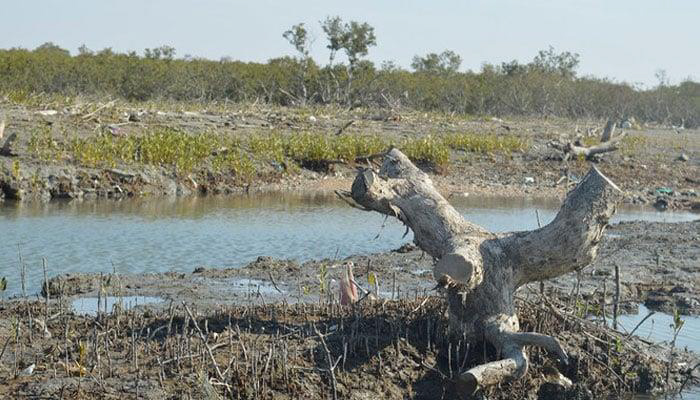
Pakistan has one of the lowest forest cover ratios in the region. Illegal logging, urban
expansion, and agricultural encroachment have stripped the land of its natural
defenses. Forest loss has intensified flooding, soil erosion, and rising temperatures,
while wildlife habitats continue to disappear.
The loss of biodiversity is not just an environmental issue—it threatens food security
and ecological balance. Once destroyed, these ecosystems may take decades to
recover, if at all.
Climate Change: A Country on the Frontline
Although Pakistan contributes little to global carbon emissions, it ranks among the most
climate-vulnerable countries in the world. Rising temperatures, melting glaciers,
unpredictable monsoon patterns, floods, droughts, and heatwaves are becoming more
frequent and more destructive.
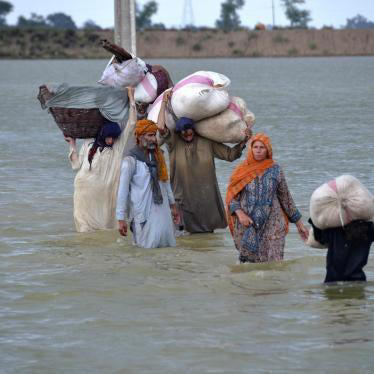
Recent floods displaced millions and exposed weak disaster preparedness and poor
urban planning. Climate change is no longer a future threat—it is a present reality
affecting farmers, laborers, and entire communities.
Waste Mismanagement: Cities Turning into Dumping Grounds
Mountains of uncollected garbage line streets and waterways in major cities. Plastic
waste clogs drains, worsens flooding, and pollutes land and sea. Recycling remains
minimal, while open dumping and burning of waste continue unchecked.
Municipal systems are under-resourced, but public indifference and lack of awareness
also play a role in worsening the crisis.
The Cost of Inaction
Environmental neglect in Pakistan comes with a heavy and growing cost. Rising
healthcare expenses due to pollution-related illnesses, declining agricultural
productivity, water shortages, and repeated climate disasters are placing immense
pressure on the national economy. Poor and vulnerable communities suffer the most,
as they lack the resources to adapt or recover from environmental shocks. What
appears to be an “environmental issue” is, in reality, a social and economic crisis.
Weak Governance and Policy Failure
Pakistan does not lack environmental laws; it lacks implementation. Regulatory bodies
are often underfunded, understaffed, or influenced by political and commercial interests. Industries continue to discharge untreated waste, emission standards are rarely enforced, and urban planning ignores environmental impact assessments. Short-term economic gains are frequently prioritized over long-term sustainability, leaving the country trapped in a cycle of environmental degradation.
Public Awareness and Responsibility
While government action is essential, public behaviour also plays a crucial role.
Excessive plastic use, water wastage, open burning of garbage, and disregard for
cleanliness contribute significantly to environmental damage. Environmental education
remains limited, and awareness campaigns are often short-lived. Without active public
participation, even the strongest policies will fail to deliver results.
A Path Toward Sustainable Solutions
Pakistan urgently needs a shift toward sustainable development. This includes
investment in renewable energy, improved public transport systems, strict monitoring of
industrial emissions, effective waste management, and conservation of forests and
water resources. Climate-resilient infrastructure and early warning systems must be
strengthened to reduce disaster risks. Most importantly, environmental protection must
be treated as a national priority rather than an afterthought.
Conclusion
Environmental issues in Pakistan are no longer a distant or abstract concern—they are
affecting daily life, economic stability, and public health. Ignoring this silent emergency
will only deepen the crisis. The choice is clear: act now with seriousness and
commitment, or allow environmental degradation to continue eroding the foundations
of the nation. A cleaner, safer, and more sustainable Pakistan is still possible—but only
if decisive action is taken today
Post Disclaimer
The views and content presented in this article, news report, or video are solely those of the respective author or creator and do not necessarily reflect the official policy or position of BW Times Digital Online E-Paper.










Leave a comment