

















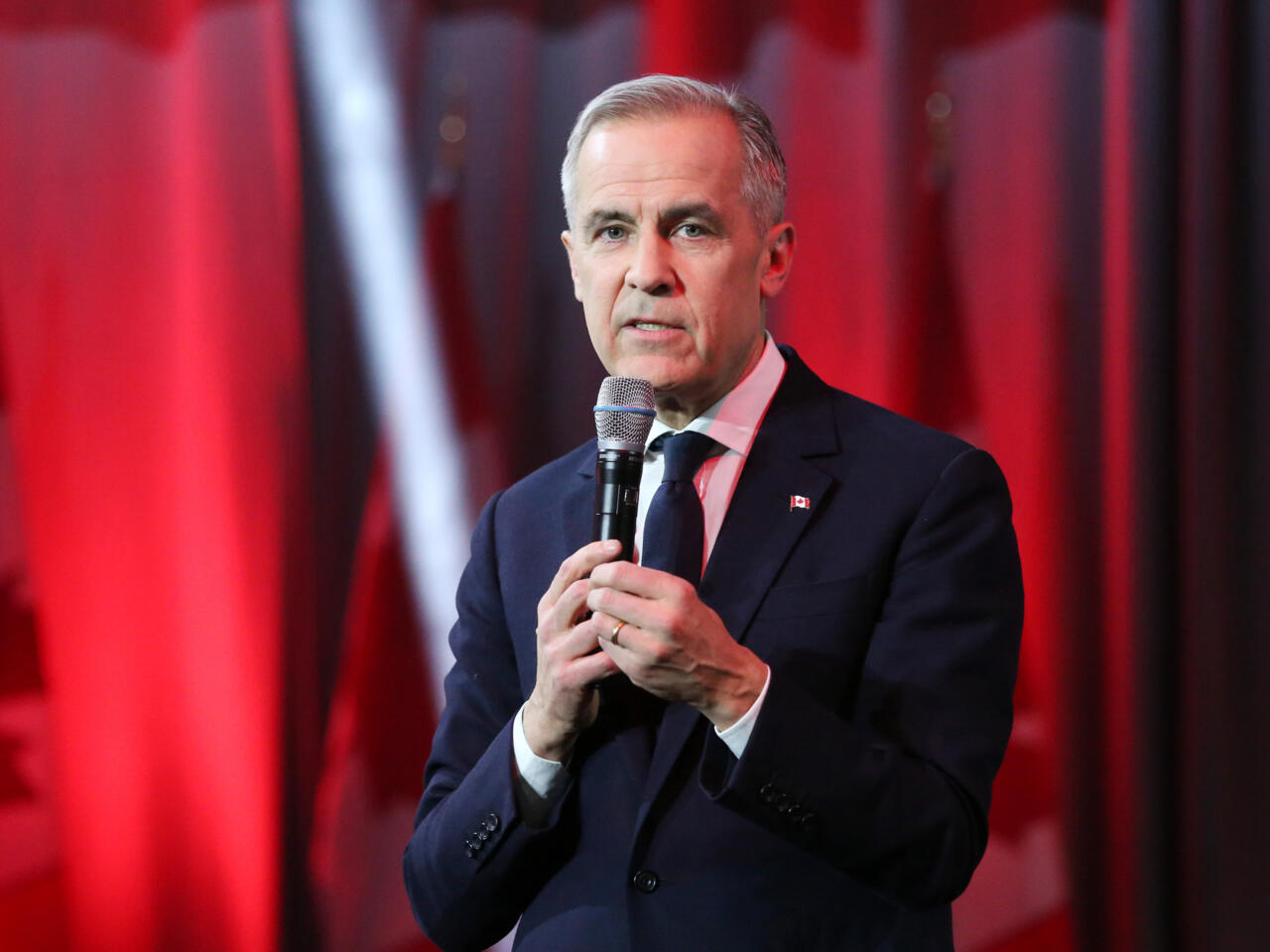
Mark Carney has formally launched the process to appoint the next judge to the Supreme Court of Canada following the planned retirement of Sheilah L. Martin.
The announcement was made in Ottawa as the federal government opened applications for qualified candidates interested in serving on Canada’s highest judicial body.
Applications will remain open until April 27, 2026, with the federal government inviting jurists from Western and Northern Canada to apply in keeping with the long standing regional representation practice used in Supreme Court appointments.
Officials say the selection process will again be guided by the independent advisory system designed to ensure appointments remain non partisan and based on professional merit.
A non partisan Independent Advisory Board for Supreme Court of Canada Judicial Appointments will review all submitted applications and identify the most qualified candidates.
The board is expected to prepare a shortlist for the Prime Minister after examining legal qualifications, professional experience and constitutional expertise.
Candidates must meet several requirements including being jurists of the highest calibre, functionally bilingual and reflective of Canada’s social and regional diversity.
Federal officials say bilingual capacity remains an important qualification because Supreme Court judges must work directly with legal arguments presented in both official languages.
Justice Sheilah L. Martin has served on the Supreme Court since 2017 after her appointment during an earlier federal administration.
Before joining the country’s top court, she served on the Court of Appeal in Alberta and also held judicial responsibilities connected to appellate courts in Northwest Territories and Nunavut.
Her retirement creates an opening that, under convention, is reserved for candidates from Western Canada or Northern Canada.
Prime Minister Mark Carney described the Supreme Court as a central institution in Canadian democracy, saying its judges carry major responsibility in protecting constitutional principles, legal independence and the rule of law.
The final appointment will come after the advisory board completes its review and the Prime Minister selects one candidate from the recommended list.
The upcoming appointment is expected to draw close national attention because Supreme Court decisions often shape major constitutional, social and federal provincial legal issues across Canada.
Legal observers say the selection will also influence the balance of legal expertise on the court at a time when major national questions continue to come before the judiciary.
Post Disclaimer
The views and content presented in this article, news report, or video are solely those of the respective author or creator and do not necessarily reflect the official policy or position of BW Times Digital Online E-Paper.












Leave a comment