




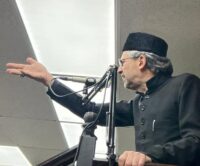


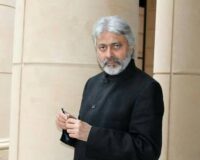

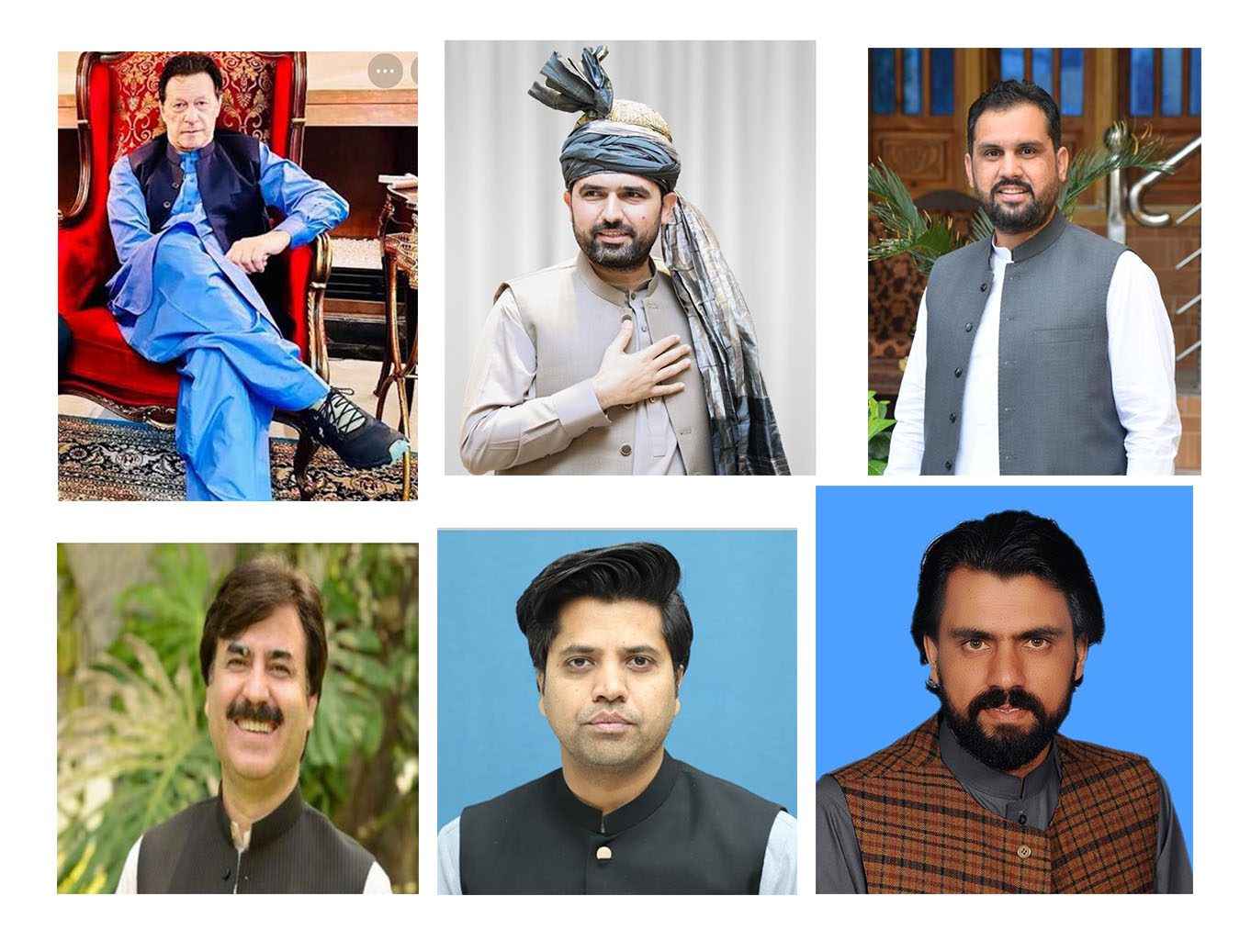
Chief Minister (KPK) Sohail Afridi is currently acting on the directives of Imran Khan and is playing on the front foot in the political arena. At this time, the entire KPK cabinet and provincial assembly are fully standing by him. These views were expressed by PTI Central Deputy Secretary Information, Shukat Yousaf Zia, during an exclusive conversation with BWTimes.ca He made it clear that according to Imran Khan’s instructions he will never ignore or disappoint the people of KKP and remains committed to protecting public interest.
Comparative Analysis: Sohail Afridi’s Visits to Punjab and Sindh
A Study in Contrasting Government Conduct
Sohail Afridi’s recent visits to Punjab and Sindh have sparked public debate due to the markedly different attitudes and behavior displayed by the two provincial governments. Observers and participants have highlighted a pattern in which Punjab authorities acted harshly from the outset, while Sindh authorities initially showed courtesy but later adopted an aggressive approach.
Punjab Visit: Allegations of Immediate Brutality
According to people accompanying Sohail Afridi and local witnesses, the Punjab government’s response was confrontational from the very beginning.
- Security arrangements were described as excessively forceful
- Movement was reportedly restricted without clear explanation
- Supporters faced intimidation and dispersal
- Officials allegedly used strong-arm tactics rather than dialogue
Political analysts noted that no visible attempt was made by Punjab authorities to engage respectfully or de-escalate tensions. The overall environment during the visit was described as hostile and unwelcoming, giving the impression that the administration viewed the visit as a threat rather than a civic engagement.
This approach drew criticism from civil society circles, who argued that such conduct undermines democratic norms and freedom of movement.
Sindh Visit: Courtesy First, Confrontation Later
In contrast, Sohail Afridi’s arrival in Sindh was initially met with what many described as a polite and cooperative attitude from the provincial administration.
- Officials reportedly allowed meetings and gatherings
- Security forces maintained a low-profile presence
- The early phase of the visit suggested a welcoming and democratic environment
However, this tone shifted noticeably as the visit progressed. Observers claim that:
- Permissions were later withdrawn or delayed
- Security behavior became more rigid and controlling
- Supporters faced pressure and restrictions
- Authorities adopted a hardline stance similar to Punjab’s approach
This sudden change led to confusion and disappointment among participants, raising questions about policy inconsistency and political pressure.
Key Differences at a Glance
| Aspect | Punjab | Sindh |
|---|---|---|
| Initial response | Harsh and forceful | Polite and cooperative |
| Use of authority | Immediate show of strength | Gradual tightening |
| Engagement style | Confrontational | Initially respectful |
| Public perception | Brutal and intolerant | Inconsistent and disappointing |
Overall Assessment
The two visits reflect different styles of governance but similar outcomes.
- Punjab is perceived as having adopted a zero-tolerance, heavy-handed approach from the start.
- Sindh, while initially appearing democratic and welcoming, ultimately shifted toward restrictive behavior, damaging its initial goodwill.
Political commentators argue that both cases highlight a broader issue of shrinking democratic space, where authorities prefer control over conversation.
Conclusion
Sohail Afridi’s experiences in Punjab and Sindh underline the need for consistent, lawful, and respectful governance across provinces. While the paths taken were different, the end result—public dissatisfaction and allegations of misconduct—was largely the same. For a healthy democracy, critics say, dialogue must replace force, and hospitality must not turn into hostility.
Post Disclaimer
The views and content presented in this article, news report, or video are solely those of the respective author or creator and do not necessarily reflect the official policy or position of BW Times Digital Online E-Paper.






Leave a comment